🔑 Key Takeaways
- Rosan P. Roeslani, Head of the National Task Force for the Infrastructure Investment Facilitation Program (PFII), unveiled the strategic reasons behind choosing Jakarta and Bali as the primary locations for PFII 2026.
- Jakarta is prioritized as the decision-making hub and investment magnet for vital national-scale infrastructure projects, backed by unparalleled connectivity and institutional capacity.
- Bali was selected as a showcase for sustainable innovation and an international investment gateway, highlighting green tourism, the digital economy, and renewable energy sectors.
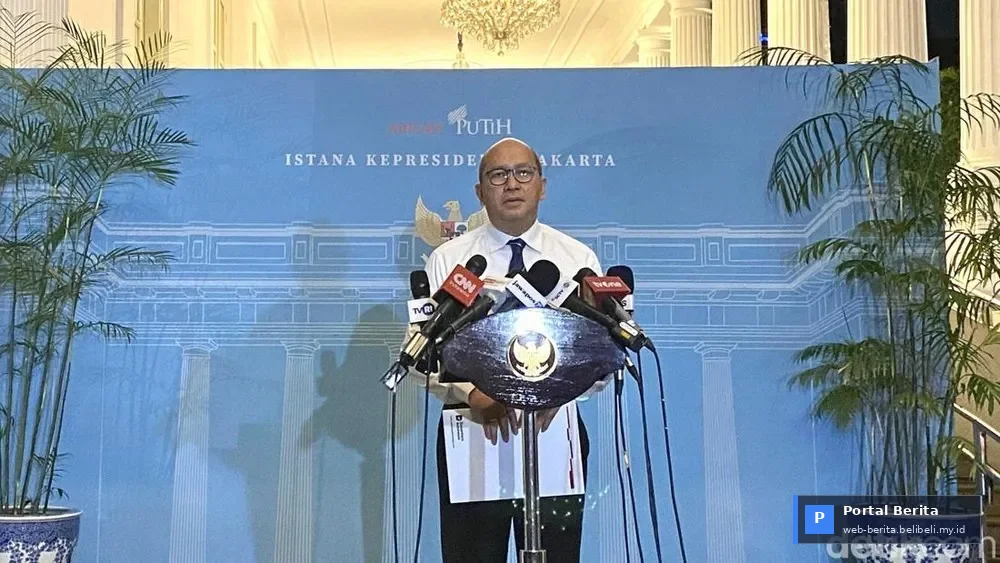
JAKARTA – Rosan P. Roeslani, Head of the National Task Force for the Infrastructure Investment Facilitation Program (PFII), has finally revealed the strategic decision to designate Jakarta and Bali as the primary locations for PFII 2026. In a virtual press conference held this morning, Rosan affirmed that this choice was based on thorough considerations aligned with Indonesia Emas 2045 (Golden Indonesia 2045 Vision) and the sustainable economic growth targets for 2026.
“The selection of Jakarta and Bali as the epicenters for PFII 2026 is not merely a coincidence, but rather the result of in-depth analysis regarding the potential and strategic roles of each region in the national and global infrastructure investment landscape,” stated Rosan on Tuesday (October 7, 2026). According to him, these two cities offer a unique combination essential for attracting the capital and expertise Indonesia needs.
Jakarta: Economic Heart and Strategic Decision Hub
Rosan elaborated that Jakarta, as the nation’s capital and economic activity center, is an inevitable choice for investment discussion segments focusing on national-scale projects and macro policies. “Jakarta is where major decisions are made. This is where policymakers, financial institutions, and multinational corporations converge,” he explained.
The focus in Jakarta will encompass crucial infrastructure projects such as integrated mass transportation development, urban digitalization infrastructure, and enhancements to national logistics capacity. Its superior connectivity, world-class meeting facilities, and direct access to government authorities make Jakarta an ideal hub for investors seeking high-impact, long-term oriented projects.
“We want to ensure that every investment dollar can be promptly translated into concrete projects that support inclusive and sustainable economic growth across the nation,” Rosan added, emphasizing efficiency and transparency as key pillars of PFII 2026.
Bali: International Gateway and Sustainable Innovation Laboratory
Meanwhile, Bali plays a complementary yet equally vital role as a gateway for international investment and a platform for showcasing sustainable innovation. “Bali possesses undeniable global appeal. It is the perfect place to attract investors from various parts of the world, especially those interested in green tourism concepts, the digital economy, and renewable energy,” Rosan stated.
This location will serve as a stage for sustainability-oriented projects, such as clean energy infrastructure development, smart tourism, integrated waste management, and support for the creative and digital economy ecosystems. Bali’s capability to host large-scale international events, supported by advanced MICE (Meetings, Incentives, Conferences, and Exhibitions) facilities, will maximize PFII’s exposure to a global audience.
“We view Bali as a living laboratory where sustainable infrastructure innovations can be demonstrated and replicated. This is a golden opportunity to showcase Indonesia’s commitment to environmentally friendly development while attracting responsible investment,” Rosan concluded.
PFII’s Vision for Economic Growth in 2026 and Beyond
PFII 2026 is expected to attract significant investment commitments that will accelerate national infrastructure development. The target is to support Indonesia’s projected economic growth of 5.3% – 5.5% for 2026, creating new job opportunities, and enhancing global competitiveness.
Dr. Sri Mulyati, a senior economist from the Center for Development Economic Studies (PSEP), welcomed this strategy. “This two-city approach is very clever. Jakarta handles the ‘brain’ and ‘muscle’ of policies and large-scale projects, while Bali becomes the ‘window’ and ‘laboratory’ for global innovation and investments aligned with sustainability trends. This is a strong formula to stimulate capital and technology flows,” she explained.
With the synergy between Jakarta and Bali, PFII 2026 is expected to be not just a business meeting but also a catalyst for Indonesia’s infrastructure transformation towards a more robust and greener future.
❓ Frequently Asked Questions (FAQ)
What is PFII?
PFII stands for the Indonesia Infrastructure Investment Facilitation Program, a national initiative designed to attract both domestic and international investment to accelerate infrastructure development across Indonesia.
Why was Jakarta chosen as a PFII location?
Jakarta was selected due to its role as the nation’s capital, a financial and governmental hub, and a strategic location for discussing national-scale projects and macro-economic policies with direct access to decision-makers.
Why was Bali chosen as a PFII location?
Bali was chosen for its international appeal, world-class MICE facilities, and its potential as a showcase for sustainable investment, green tourism, and the digital economy, attracting global investors focused on eco-friendly innovation.