🔑 Key Takeaways
- Ultra-processed foods (UPFs) don't directly "cause" cancer, but significantly increase risk through multiple biological pathways.
- Key factors include chronic inflammation, gut microbiome disruption, high sugar/fat/salt content, and the displacement of nutrient-rich whole foods.
- A balanced diet, moderation in UPF consumption, and informed food choices are essential for prevention in 2026.
The debate linking ultra-processed foods (UPFs) directly to cancer has intensified, but leading nutritionists in 2026 caution against oversimplification. While concerns are valid and supported by growing epidemiological studies, the relationship is multifaceted, involving a complex interplay of dietary habits and biological responses.
“Often, the public grasps information in black-and-white terms. However, the link between UPFs and cancer risk isn't a direct cause-and-effect relationship like smoking and lung cancer,” explains Dr. Anya Smith, a prominent community nutritionist based in London. “Instead, it's about how the overall pattern of UPF consumption can create an environment within the body that is more susceptible to the development of chronic diseases, including cancer.”
What Are Ultra-Processed Foods (UPFs)?
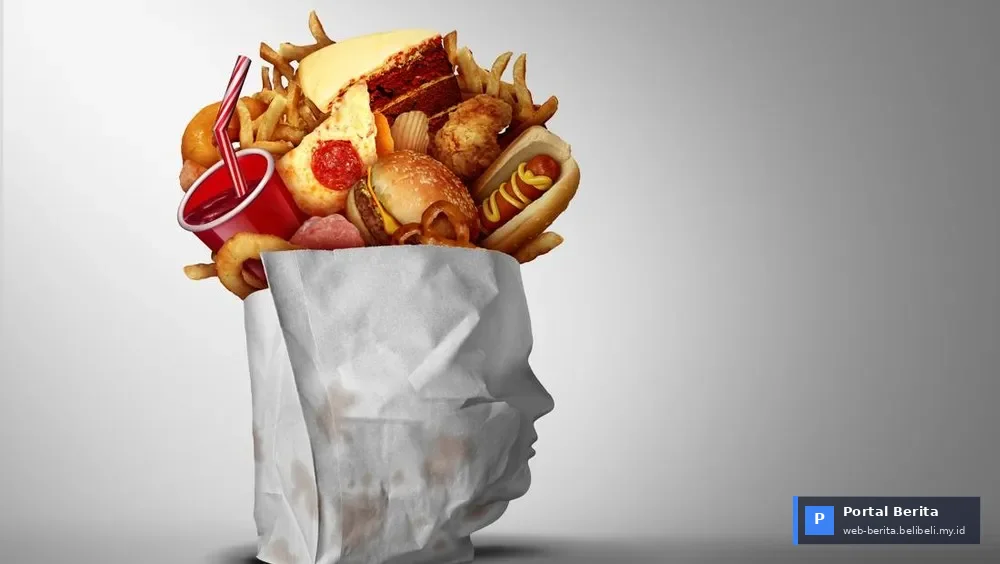
Before delving deeper, it's crucial to understand what UPFs truly are. Unlike minimally processed foods (like whole-grain bread or plain yogurt) or processed foods (like cheese or canned fish), UPFs are industrial formulations made from ingredients extracted from foods (oils, starches, sugars), often with added cosmetic additives (flavorings, colorings, emulsifiers, artificial sweeteners). Common examples in 2026 include packaged sugary drinks, savory/sweet snacks, sugary breakfast cereals, nuggets, sausages, instant noodles, and many frozen ready-meals.
The Nuance of Risk: More Than Just a 'Carcinogen'
Dr. Smith emphasizes that UPFs do not contain a single carcinogen that directly triggers cell mutations. However, chronic consumption of UPFs contributes to several biological pathways that heighten cancer risk:
- Chronic Inflammation: The high content of sugar, unhealthy fats (such as trans fats and excessive omega-6 fatty acids), and refined carbohydrates in UPFs can trigger chronic systemic inflammation in the body. Long-term inflammation is a key driver of cancer development.
- Gut Microbiome Disruption: Additives like emulsifiers, artificial sweeteners, and the lack of fiber in UPFs can alter the composition of beneficial gut bacteria (the gut microbiome). An unhealthy microbiome has been linked to an increased risk of several cancer types, notably colorectal cancer.
- Nutrient Displacement: UPFs are inherently low in fiber, vitamins, minerals, and phytochemicals—protective compounds found in whole foods like fruits, vegetables, and whole grains. When UPFs dominate the diet, the body is deprived of essential anti-cancer nutrients.
- Weight Gain and Obesity: UPFs are often highly palatable, calorie-dense, and low in fiber, making them easy to overconsume. Weight gain and obesity are known risk factors for at least 13 types of cancer.
- Exposure to Packaging Chemicals: Some research also investigates the potential exposure to chemicals from UPF packaging (e.g., bisphenol A or phthalates) which can be endocrine disruptors and potentially increase cancer risk.
Navigating Your Plate in 2026
With increasing awareness, here are Dr. Smith's tips for mitigating risk without succumbing to panic:
- Prioritize Whole Foods: Make fruits, vegetables, whole grains, lean proteins, and healthy fats the cornerstone of your diet.
- Read Labels Carefully: Look for short, understandable ingredient lists. Avoid products with many unfamiliar additives or extracted ingredients.
- Moderation is Key: Occasional UPF consumption as part of a balanced diet is very different from relying on them daily. Enjoy these foods in moderation.
- Cook at Home: Preparing meals from scratch gives you full control over what goes into your food.
- Educate Yourself: Stay informed about nutrition research from trusted sources to make informed decisions.
Conclusion
In 2026, we possess a deeper understanding of diet and health. While UPFs don't directly “cause” cancer in the traditional sense, strong evidence suggests that their chronic consumption is a significant risk factor operating through various biological mechanisms. By making more informed food choices and embracing a balanced lifestyle, we can proactively safeguard our health against the threat of chronic diseases in the future.
FAQ: Frequently Asked Questions
-
Do all processed foods increase cancer risk?
No. There's a crucial distinction between minimally processed foods (e.g., frozen vegetables, packaged whole grains) and ultra-processed ones. Minimally processed foods are generally safe and can even be helpful for a healthy diet.
-
What's the main difference between processed and ultra-processed foods?
Processed foods are typically whole foods altered slightly for convenience or safety (e.g., plain bread, cheese). Ultra-processed foods are industrial formulations made from extracted ingredients, with many additives, and are often nutritionally poor.
-
Is it possible to completely avoid UPFs?
It's very challenging in our modern food environment. The goal isn't necessarily to avoid them completely, but to minimize their consumption and ensure your diet is predominantly composed of nutrient-rich whole foods.