🔑 Key Takeaways
- Kusnan, Chairman of Permindo, highlights the escalating costs of feed and Day-Old Chicks (DOC) burdening poultry farmers in 2026.
- Farmers are struggling with severe profitability challenges due to skyrocketing production costs and unstable chicken selling prices.
- The government is urged to implement immediate price stabilization policies, subsidies, and long-term strategies to ensure the industry's sustainability and national food security.
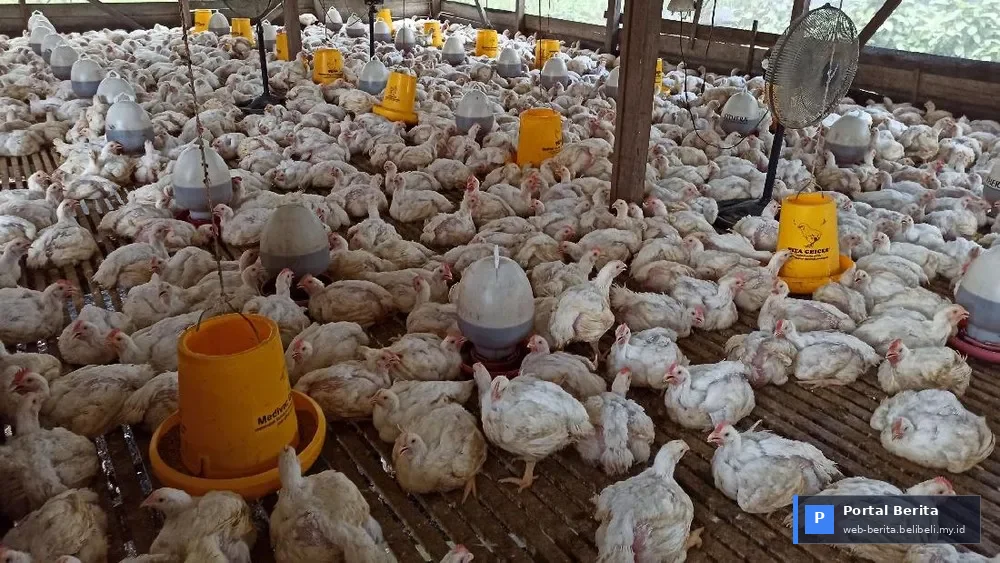
JAKARTA – Indonesia's poultry farming industry is once again facing a critical dilemma in early 2026. Farmers, particularly in the broiler sector, are voicing alarm due to significant spikes in feed and Day-Old Chick (DOC) prices, while market selling prices for chicken fail to show the expected stability. This situation threatens the profitability and viability of millions of farmers nationwide, raising concerns about the stability of the national food supply.
Severe Challenges for Poultry Farmers in 2026
According to Kusnan, Chairman of the Indonesian Independent People's Livestock Farmers Association (Permindo), the current market conditions are deeply concerning. "Feed prices have been soaring since late last year, and now DOC prices are also escalating rapidly. This is a double burden that severely impacts small to medium-sized farmers," Kusnan stated during a virtual press conference in early February 2026. He added that this upward trend is not aligned with consumer purchasing power, making it difficult to proportionally increase chicken selling prices.
The rise in feed prices is attributed to fluctuations in global corn and soybean commodity prices, exacerbated by supply chain issues and climate change impacts affecting production in key exporting countries. Meanwhile, the scarcity and high cost of DOC are often linked to production problems at the parent stock level and suboptimal distribution. "Many farmers are forced to reduce their flock sizes or even go out of business because they cannot bear the continuously escalating operational costs," Kusnan continued.
Demand for Government Intervention
In response to the looming crisis, Permindo firmly urges the government to take concrete steps immediately. Their primary demands include stabilizing raw material prices for feed, providing targeted subsidies, and strict oversight of the DOC supply chain. "We cannot continue to struggle alone. The government must step in with pro-farmer policies, such as feed subsidy schemes or establishing realistic reference prices that benefit both farmers and consumers," Kusnan asserted.
Furthermore, Permindo also proposes that the government consider forming a special body or crisis team tasked with continuously monitoring and managing the availability and prices of feed and DOC. "A long-term mechanism is needed to prevent the recurrence of such crises in the future. Fairer and more transparent trade regulations are key," added the Permindo representative.
Economic Impact and Food Security
This instability in the poultry sector not only affects farmers but also has the potential to trigger food price inflation at the consumer level. Dr. Sofia Rahman, a food economist from Nusantara University, underscored the urgency of the issue. "Chicken is one of the primary sources of animal protein for the Indonesian population. If prices continue to fluctuate, public purchasing power will erode, potentially disrupting national food security," Dr. Sofia explained. She advised the government to balance the interests of farmers with consumer affordability to avoid detrimental market distortions.
The government is expected to formulate holistic policies, focusing not only on short-term problem-solving but also on strengthening the foundations of the national livestock industry to be more resilient against future global challenges. Collaboration among the government, farmer associations, and upstream-downstream industry players is crucial for achieving sustainable stability.
Frequently Asked Questions (FAQ)
1. What are DOCs and why are their prices so high?
DOC stands for Day-Old Chick, which are one-day-old chicks. Their prices can skyrocket due to various factors, including limited supply from breeding companies, high parent stock production costs, and fluctuating market demand.
2. How do high feed prices affect consumers?
High feed prices directly increase farmers' production costs. To maintain profitability, farmers are forced to raise their chicken selling prices, which eventually translates to more expensive chicken meat for consumers in the market.
3. What specific actions can the government take to help farmers?
The government can take several actions, such as providing direct subsidies for feed or DOC, setting fair reference prices (floor prices) for live chickens, managing raw material imports for feed to stabilize prices, and enhancing oversight of the supply chain to prevent speculative practices.