🔑 Key Takeaways
- The National Nutrition Agency (BGN) mandates all Free Nutritious Meal Program (MBG) kitchens obtain a Hygiene Sanitation Certificate (SLHS) by August 10, 2026.
- This compliance is vital to ensure food safety and the health of MBG program beneficiaries across Indonesia.
- Facilities failing to meet these standards will face severe penalties, including permanent closure and revocation of partnership contracts.
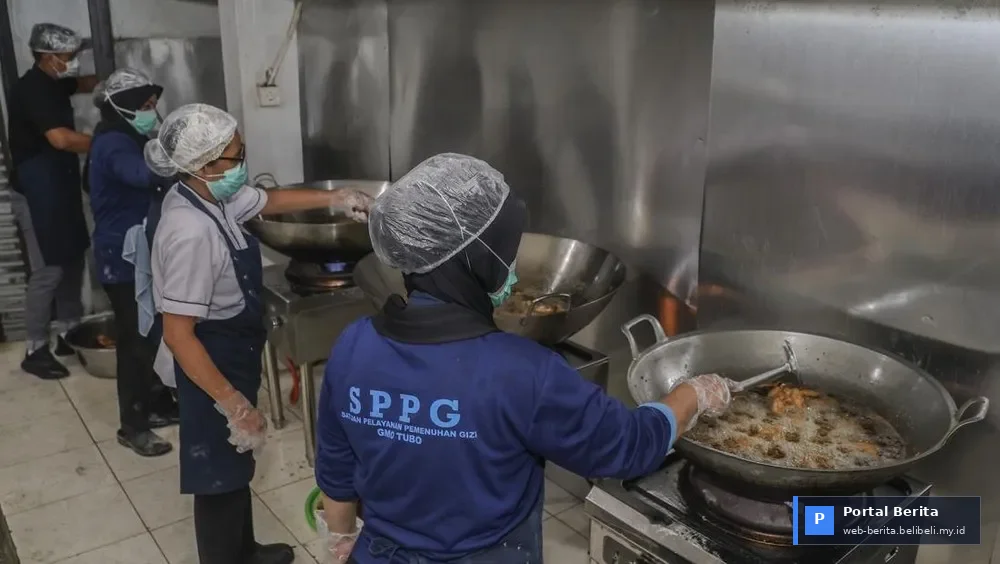
JAKARTA, July 15, 2026 – The National Nutrition Agency (BGN) today reiterated its ultimatum for all Nutrition Fulfillment Service Units (SPPGs), or kitchens involved in the Free Nutritious Meal Program (MBG). The final deadline for obtaining a Hygiene Sanitation Certificate (SLHS) is set for August 10, 2026. This requirement is not merely a formality but a cornerstone in ensuring every portion of food distributed to millions of beneficiaries is safe, healthy, and of high quality.
Why SLHS is Critically Important
The MBG program, which now reaches over 20 million people nationwide, relies on the integrity of its food supply chain. SLHS is an absolute indicator that a food processing facility meets stringent hygiene, sanitation, and food safety standards. “We cannot compromise on food quality and safety, especially for a program as extensive as MBG, which targets vulnerable groups like schoolchildren,” stated Dr. Siti Aminah, Head of BGN's Food Oversight Division, during a virtual press conference.
The absence of an SLHS can open the door to risks of contamination, food poisoning, and even disease outbreaks that could erode public trust and endanger community health. BGN emphasizes that this certification process includes a comprehensive assessment of clean water sources, waste management, equipment cleanliness, personnel hygiene, and food ingredient storage and processing procedures.
Compliance Process and Challenges for MBG Kitchens
For many SPPGs, especially smaller or newly established ones, obtaining an SLHS can be challenging. The initial investment for infrastructure upgrades and staff training might be significant. However, BGN has been proactive. Since the beginning of the year, BGN, in collaboration with the Ministry of Health and relevant regional agencies, has organized a series of workshops and free technical assistance. Furthermore, several incentive schemes and partial subsidies have been launched to help SPPGs meet the initial requirements.
“We understand this is not an easy task, but it is a long-term investment in quality and sustainability. Our kitchen has allocated budget and time for training, and the process is running smoothly thanks to guidance from BGN,” said Mr. Adi Putra, Operations Manager of “Dapur Sehat Nusantara,” one of the largest SPPGs in West Java.
Threat of Permanent Closure and Economic Impact
The consequences for SPPGs failing to obtain an SLHS before August 10, 2026, are severe. BGN has warned that they will face permanent operational closure and revocation of their status as MBG program partners. This will not only impact thousands of workers in these kitchens but also potentially disrupt food distribution for millions of beneficiaries.
“These strict sanctions are necessary to maintain program integrity. They also send a strong signal to all parties that commitment to hygiene standards is non-negotiable,” added Dr. Aminah. The MBG program is not just a nutritional initiative; it has also become a local economic driver by creating thousands of jobs and supporting SMEs supplying raw materials. Compliance with SLHS is expected to strengthen this ecosystem with a solid foundation of food safety.
With less than a month remaining, BGN urges all SPPGs to complete their certification process promptly. Oversight teams will commence strict inspections after the deadline, ensuring no exceptions in the implementation of hygiene and sanitation standards for the nation's health.
Frequently Asked Questions
Q: What is SLHS and why is it mandatory for MBG kitchens?
A: SLHS (Hygiene Sanitation Certificate) is proof that a food processing facility meets cleanliness, sanitation, and food safety standards. It is mandatory for MBG kitchens to ensure the distributed food is safe and high-quality, protecting the health of millions of beneficiaries.
Q: What happens if an MBG kitchen does not have an SLHS by August 10, 2026?
A: Kitchens without an SLHS by the deadline will face severe penalties, including permanent operational closure and revocation of their status as partners in the Free Nutritious Meal Program.
Q: What assistance is available for MBG kitchens to obtain SLHS?
A: BGN, in collaboration with the Ministry of Health, has provided workshops, free technical assistance, and partial incentive and subsidy schemes to help SPPGs meet the SLHS requirements.