🔑 Key Takeaways
- Hangzhou Xiaoshan International Airport has made AI acupressure massage robots a standard feature, offering smart wellness solutions for travelers since their initial implementation.
- The technology seamlessly blends advanced artificial intelligence with Traditional Chinese Medicine (TCM) principles for a personalized and effective relaxation experience.
- This innovation sets a new benchmark for health services in global transport hubs, significantly enhancing passenger comfort and well-being.
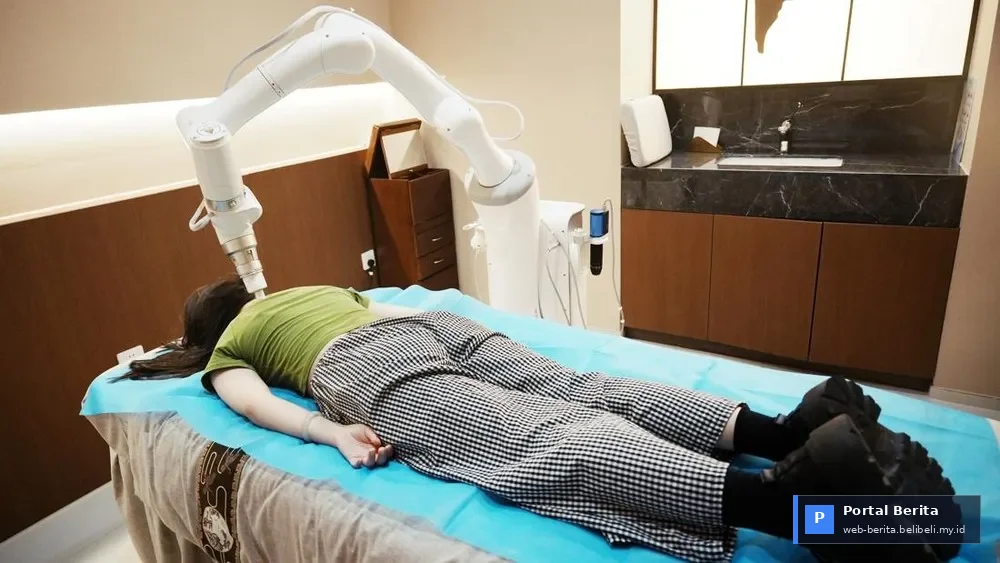
HANGZHOU, China – By 2026, the sight of robots gently delivering acupressure massages to weary travelers has become a familiar and highly valued feature at Hangzhou Xiaoshan International Airport. What began as a pioneering innovation has now evolved into a cornerstone of smart airport wellness services, fundamentally changing how travelers maintain their well-being on the go.
These advanced robotic systems, a harmonious blend of artificial intelligence and the timeless wisdom of Traditional Chinese Medicine (TCM), offer a much-needed respite from the stresses of modern travel. Travelers can experience customized acupressure sessions, designed to alleviate jet lag, ease muscle tension, and promote general relaxation in a matter of minutes.
The Innovative Integration of AI and TCM
The success of Hangzhou's AI acupressure robots lies in their ability to interpret ancient TCM principles through the lens of modern technology. Equipped with high-precision sensors and deep-learning algorithms, these robots can map acupressure points on a user's body with remarkable accuracy.
“These systems aren't just robots; they are personalized wellness assistants that learn and adapt,” explains Dr. Chen Guang, a leading expert in AI and Traditional Chinese Medicine integration from Tsinghua University. “By 2026, the precision of AI algorithms in identifying acupoints has reached an incredible level, delivering relaxation and recovery that rivals the touch of a trained human therapist. It’s a perfect demonstration of how technology can enrich traditional health practices.”
The robots are designed to interact intuitively, offering a range of massage programs based on user preferences and identified wellness needs. User-friendly touch interfaces allow for adjustments in intensity and focus, ensuring a truly personalized experience.
Undeniable Benefits for the Modern Traveler
In the fast-paced world of travel, time is of the essence. The AI acupressure robots provide a swift wellness solution that requires no appointments or lengthy waiting times. In just 10-15 minutes, travelers can feel revitalized and ready for their next flight or meeting.
The benefits extend beyond mere convenience. By reducing stress levels and improving circulation, the service helps combat the negative effects of long-haul air travel, such as fatigue and stiffness. It's a small investment in health that can make a significant difference in the overall travel experience.
Looking Ahead: Smart Wellness Services in Airports
Hangzhou Xiaoshan Airport is not just a transport hub; it’s a center for health innovation. The successful implementation of AI acupressure robots has already sparked interest from other airports worldwide eager to integrate similar smart wellness solutions.
Experts predict that by the end of this decade, AI-driven health services will be a norm in major airports. From proactive health monitoring to personalized nutritional advice, the fusion of technology and well-being is set to transform the traveler experience globally. Acupressure robots are just the beginning of a new era of digitally integrated wellness within the travel ecosystem.
❓ Frequently Asked Questions
Q: How do the AI acupressure massage robots work?
A: The robots use advanced sensors and AI algorithms to map acupressure points on your body. Then, precise robotic arms apply gentle pressure to stimulate these points, following Traditional Chinese Medicine principles.
Q: Are these services safe and effective?
A: Yes, the robots are designed with the highest safety standards and programmed based on validated TCM knowledge. Many users report significant reductions in stress, muscle tension, and jet lag after a session.
Q: Where else might we see similar AI wellness services?
A: Building on airport success, similar technologies are expected to spread to train stations, shopping centers, hotels, and even office environments as part of broader smart wellness initiatives.