🔑 Key Takeaways
- The World Health Organization (WHO) officially declared the Hantavirus outbreak on the MV Hondius cruise ship over in early 2026, confirming all contacts tested negative.
- The outbreak led to 13 confirmed infections and 3 tragic fatalities, highlighting the severe risks of zoonotic diseases even in controlled environments.
- This incident has spurred significant re-evaluation and reinforcement of health and sanitation protocols across the global cruise industry, emphasizing swift containment and rodent control.
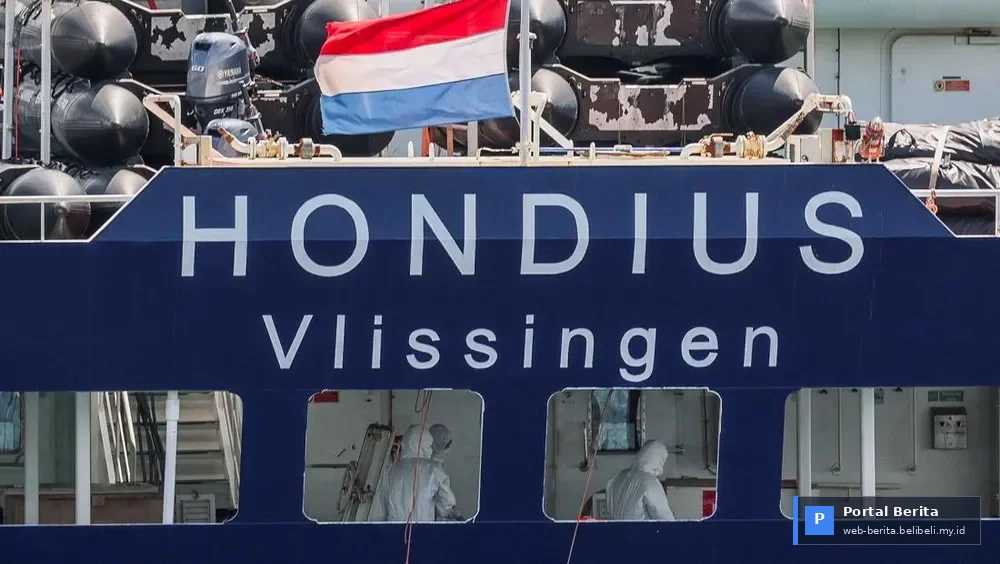
GENEVA, SWITZERLAND – The World Health Organization (WHO) today announced the full resolution of the Hantavirus outbreak that gripped the MV Hondius expedition cruise ship earlier this year. Following weeks of intensive monitoring and successful contact tracing efforts, all individuals identified as last contacts have tested negative for the virus, signaling the official end of the critical health incident that tragically resulted in 13 infections and 3 deaths among passengers and crew.
Swift Global Response and Containment
The outbreak, which emerged during a 2026 polar expedition, triggered an immediate and coordinated international response. The MV Hondius, known for its voyages to remote destinations, quickly implemented isolation protocols onboard, diverting to the nearest port for comprehensive health assessments and passenger disembarkation under strict medical supervision. WHO, in collaboration with national health authorities and the ship's operator, orchestrated a multi-faceted strategy involving advanced diagnostics, rigorous contact tracing, and environmental sanitation.
“The swift action taken by the MV Hondius crew and the robust international cooperation were crucial in containing what could have been a far more widespread crisis,” stated Dr. Lena Hansen, Director of WHO's Global Outbreak Alert and Response Network, in a press briefing from Geneva. “While we mourn the loss of life, this incident serves as a stark reminder of the persistent threat posed by zoonotic diseases and the absolute necessity of preparedness, even in the most unexpected settings.”
Understanding Hantavirus and Maritime Risks
Hantavirus Pulmonary Syndrome (HPS), the severe respiratory illness caused by Hantaviruses, is primarily transmitted to humans through contact with infected rodent droppings, urine, or saliva, or by inhaling aerosolized particles. While human-to-human transmission is extremely rare, the confined nature of a cruise ship environment presented unique challenges for identifying potential exposure points and implementing effective mitigation strategies, particularly concerning rodent vectors that might stow away.
Investigators traced the likely source of the outbreak to environmental exposure on board, emphasizing the need for stringent pest control and sanitation measures in all transport sectors. “Cruise lines must continuously adapt and enhance their environmental health programs,” commented maritime health specialist Professor Arthur Vance of the Maritime Disease Control Institute. “This includes not only air filtration and surface sanitation but also aggressive rodent exclusion and monitoring, especially for ships traveling to diverse ecological zones.”
Future Implications for the Cruise Industry in 2026
The MV Hondius incident has prompted a significant review and bolstering of health safety protocols across the global cruise industry. Operators are now expected to implement even stricter guidelines for pre-boarding health screenings, onboard medical facilities, isolation capabilities, and environmental vector control. Enhanced training for crew members on early symptom recognition and emergency response is also being prioritized.
The WHO has committed to working with the International Maritime Organization (IMO) and other stakeholders to develop updated best practices for managing infectious disease risks on commercial vessels. The aim is to ensure that passenger and crew safety remains paramount, allowing the vibrant cruise industry to continue offering unparalleled travel experiences with renewed confidence in its health security measures.
Frequently Asked Questions
What is Hantavirus and how does it primarily spread?
Hantavirus is a family of viruses carried by rodents that can cause severe illness in humans. It primarily spreads when people come into contact with infected rodent droppings, urine, or saliva, often by inhaling aerosolized particles of these materials. Human-to-human transmission is extremely rare.
What key measures were implemented on the MV Hondius to contain the outbreak?
Key measures included immediate passenger and crew isolation, rapid disembarkation under medical supervision, extensive contact tracing, advanced diagnostic testing, and thorough environmental sanitation and pest control measures onboard the vessel.
How has this incident impacted global cruise ship safety standards for 2026?
This incident has led to a review and reinforcement of health protocols across the cruise industry, including stricter guidelines for pre-boarding health screenings, enhanced onboard medical facilities, improved isolation procedures, and more aggressive environmental pest control and sanitation.