🔑 Key Takeaways
- Ube, or Philippine purple yam, continues its global culinary and health trend dominance in 2026, especially in desserts and health foods due to its unique flavor and color.
- Ube's higher price compared to local purple yams is attributed to specific cultivation methods, import costs, and its premium positioning as a sought-after ingredient in the global market.
- Beyond its distinctive taste and captivating hue, Ube boasts a rich nutritional profile, abundant in antioxidants and fiber, supporting its health claims and driving high demand from health-conscious consumers.
In 2026, one vividly purple ingredient continues to dominate culinary and health trend lists: Ube. Yet, unlike its readily available cousin, the local purple yam, Ube often comes with a significantly higher price tag. Is this simply because Ube is an imported product, or are there deeper reasons behind its premium pricing? Let's delve into the Ube phenomenon in the global market.
More Than Just Color: The Essential Differences Between Ube and Local Purple Yam
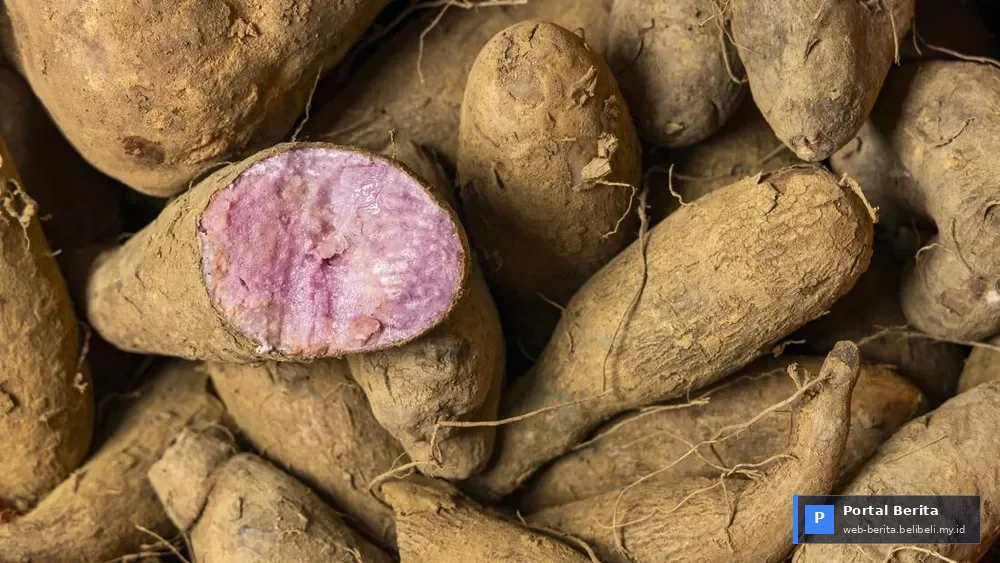
While both share a captivating purple hue, Ube and local purple yams have fundamental differences. Ube is botanically known as Dioscorea alata, or the Philippine purple yam, characterized by its distinctive vanilla-like, slightly nutty flavor and a softer, somewhat sticky texture when cooked. On the other hand, what is often referred to as local purple yam in various regions might encompass several varieties, including Ipomoea batatas (purple sweet potato) or other Dioscorea species, which may have different flavor and texture profiles.
This distinction forms the basis of Ube's unique appeal. Its unique taste and texture make it a favorite for traditional Filipino desserts like Ube Halaya, as well as modern creations such as Ube Lattes, Ube ice cream, and trendy baked goods. These qualities set it apart from local purple yams, which tend to have a more rustic flavor profile.
Why Ube Commands a Higher Price Tag: Factors Behind its Premium Label
The global Ube trend in 2026 is no accident. Several key factors explain why its price remains relatively higher compared to local purple yams:
- Cultivation and Availability: Ube has specific climate and soil requirements, thriving primarily in the Philippines. Its cultivation process can also be more labor-intensive, contributing to higher production costs.
- Import and Logistics Costs: As an imported product, Ube must navigate a complex international supply chain, including shipping costs, customs duties, and specialized handling to maintain quality. This significantly adds to the final cost for consumers.
- Soaring Global Demand: Ube's continuously growing popularity in Western markets, particularly in North America and Europe, has created high global demand. Consumers are willing to pay a premium for an ingredient perceived as exotic and high-quality.
- Branding and Added Value: Ube has been successfully positioned as a premium and 'superfood' ingredient that is not only delicious but also healthful. Effective marketing has enhanced Ube's perceived value in the eyes of consumers, making it a desirable choice for culinary innovation and healthy lifestyles.
Ube's Superior Nutritional Profile and Health Benefits
Beyond its premium price, Ube offers more than just a beautiful color and unique taste. This purple yam is rich in nutrients, making it a healthy choice for many in 2026.
“In 2026, consumers are more informed and selective about their dietary choices. Ube offers not only appealing visual aesthetics for social media content but also substantial nutritional value. Its high content of anthocyanin antioxidants, dietary fiber, and essential vitamins makes Ube a smart choice for those seeking delicious yet healthy food options,” explains Dr. Karina Wijaya, a nutritionist from the Indonesian Center for Nutrition & Health. Anthocyanins, the pigments responsible for Ube's vibrant purple color, are widely recognized for their powerful anti-inflammatory and antioxidant properties, which can help protect body cells from free radical damage and support heart health.
Furthermore, Ube is a good source of fiber, essential for healthy digestion and maintaining satiety. Its content of vitamin C, potassium, and manganese also adds to its nutritional value, making it an excellent addition to a balanced diet.
Ube's Market Outlook Amidst 2026 Health Trends
Looking at current trends, Ube's popularity is projected to continue its upward trajectory in the coming years. With an increasing emphasis on functional foods and natural ingredients that offer health benefits, Ube is perfectly positioned to meet the demands of the health-conscious 2026 market. Innovations in processed Ube products, from supplements to ready-to-eat meals, will also continue to drive demand and justify its position as a premium ingredient in modern kitchens.
FAQ - Frequently Asked Questions
-
What's the main difference between Ube and local purple yam?
Ube (Dioscorea alata) is typically the Philippine purple yam with a distinct vanilla-nutty flavor and soft texture. Local purple yam in many regions may refer to purple sweet potato (Ipomoea batatas) or other Dioscorea species with varying flavor and texture profiles.
-
Does Ube offer superior health benefits compared to local purple yam?
Both are healthy, but Ube is particularly noted for its very high anthocyanin antioxidant content, as well as fiber and essential vitamins. Specific nutrient content can vary between varieties, but Ube is often promoted for its potent antioxidant profile.
-
Why does Ube remain popular in 2026 despite its higher price?
Its popularity is driven by a combination of unique flavor and texture, appealing visual color, high nutritional content (especially antioxidants), and its status as a premium ingredient that aligns with global culinary and health trends in 2026.