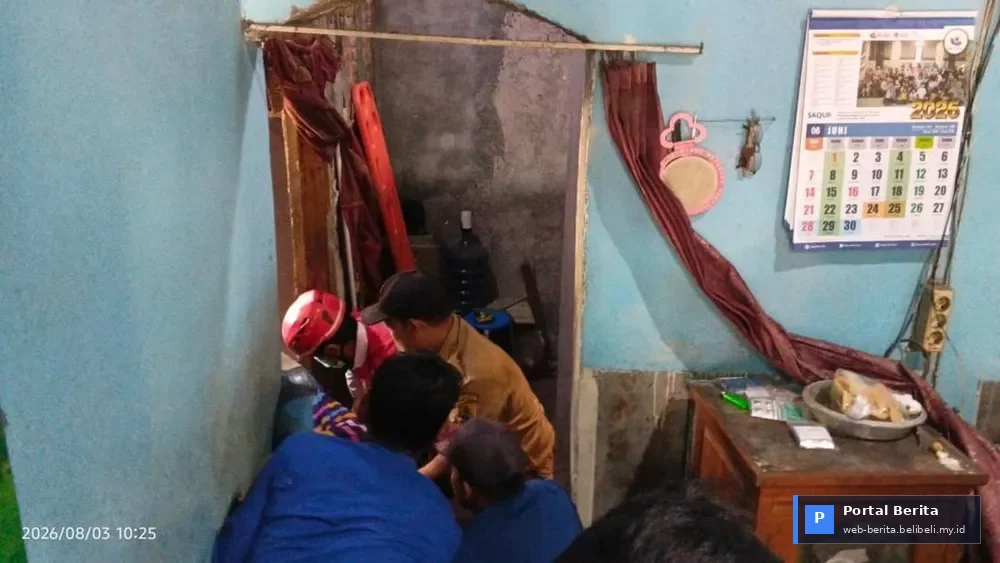
- A woman in Sragen, Indonesia, suffering from extreme obesity (approx. 300 kg), passed away at RSUD Soehadi Prijonegoro in early 2026 after battling severe respiratory complications.
- This tragic death highlights the significant challenges Indonesia's healthcare system faces in managing rising cases of morbid obesity, from specialized transportation to intensive care facilities.
- Health experts are advocating for accelerated integrated prevention programs and investment in more adaptive medical infrastructure to support patients with special needs nationwide.
Sragen, Indonesia – A heartbreaking case has once again brought public attention to a critical health issue in early 2026. A middle-aged woman in Sragen, Central Java, weighing approximately 300 kilograms, passed away at Soehadi Prijonegoro Regional General Hospital (RSUD) after a severe struggle with respiratory complications and a deteriorating health condition. This tragic incident, which began with acute shortness of breath requiring emergency evacuation, not only brought profound grief to her family but also reignited fierce debate about the readiness of Indonesia's healthcare system to confront the extreme obesity epidemic.
The event unfolded when the patient's condition drastically worsened, prompting medical teams and volunteers to work extra hard to transport her to the hospital. Logistical challenges, ranging from the transportation of a large-sized patient to the availability of specialized handling facilities in the hospital, became a major point of discussion. “Every case like this is a stark reminder of how crucial it is for us to strengthen our healthcare infrastructure and service capacity,” stated Dr. Indah Sari, Head of Public Health Initiatives at the Indonesian Ministry of Health, during a virtual press conference today. “We need to ensure that every citizen, regardless of their physical condition, can receive adequate and timely care.”
Urgent Challenges in Managing Morbid Obesity
In 2026, extreme or morbid obesity stands as one of the most pressing public health concerns in Indonesia. Recent data indicates a significant increase in obesity prevalence, with a small portion of the population suffering from Class III obesity or higher. This condition not only elevates the risk of chronic diseases such as type 2 diabetes, heart disease, and hypertension but also places a substantial financial and operational burden on the healthcare system.
Managing patients weighing over 200 kg requires specialized equipment, including reinforced stretchers, specially modified ambulances, and beds and operating tables capable of supporting heavy loads. “Many regional hospitals, especially outside major cities, are still very limited in terms of equipment and trained human resources to handle cases of extreme obesity,” explained Dr. Bagas Permana, a leading bariatric surgeon. “Often, we have to improvise, and that is neither a sustainable nor a safe long-term solution.” Furthermore, intensive care for complications like respiratory failure in obese patients also necessitates more complex ventilation and monitoring.
Moving Forward: Prevention and Healthcare System Adaptation
The Ministry of Health, in line with the targets of the 2025-2029 National Medium-Term Development Plan (RPJMN), has intensified its focus on obesity prevention and management programs. This includes more aggressive balanced nutrition education campaigns, promotion of active lifestyles, and strengthening primary healthcare services for early detection and intervention. The government is also starting to encourage investment in adaptive health technologies, including the development of medical devices that can accommodate patients of various body sizes.
“This death in Sragen is a loud call to action for all of us,” Dr. Indah Sari emphasized. “This is not just about an individual case, but a snapshot of disparities within our healthcare system. We must work together—government, healthcare providers, the community, and even the food industry—to create an environment that supports health and well-being for all. The implementation of AI in early diagnostics and personalized nutrition plans at community health centers (Puskesmas) is also being pushed for the coming years.” The hope is that with strong collaboration and sustained commitment, similar tragedies can be prevented in the future, ensuring every individual has the opportunity for a healthy and quality life.
Frequently Asked Questions (FAQ)
What are the main health risks associated with extreme obesity?
Extreme obesity significantly increases the risk of serious conditions such as type 2 diabetes, heart disease, high blood pressure, stroke, sleep apnea, joint problems, and certain types of cancer, while also severely impacting mobility and overall quality of life.
How is Indonesia's healthcare system adapting for extremely obese patients in 2026?
In 2026, adaptation is ongoing. Some larger hospitals have invested in specialized equipment like bariatric stretchers and beds, as well as modified ambulances. However, significant challenges remain, especially in regional areas, regarding comprehensive infrastructure and trained medical personnel for complex logistical and medical handling.
What role does the community play in preventing extreme obesity?
The community plays a crucial role through healthy lifestyle choices, such as balanced nutrition, regular physical activity, and education on the importance of maintaining an ideal weight. Family and community support are also vital in creating an environment that encourages healthy habits and reduces the stigma associated with individuals struggling with obesity.