🔑 Key Takeaways
- The 2026 Ebola outbreak in the Democratic Republic of Congo (DRC) is characterized by an alarming transmission pattern, with 70-80% of new cases lacking clear epidemiological links.
- This situation severely complicates contact tracing and intervention efforts, raising concerns about undetected spread and the potential for a regional health crisis.
- The WHO and its partners are advocating for updated response strategies and significant investment to tackle these unique challenges, including misinformation mitigation and community trust-building.
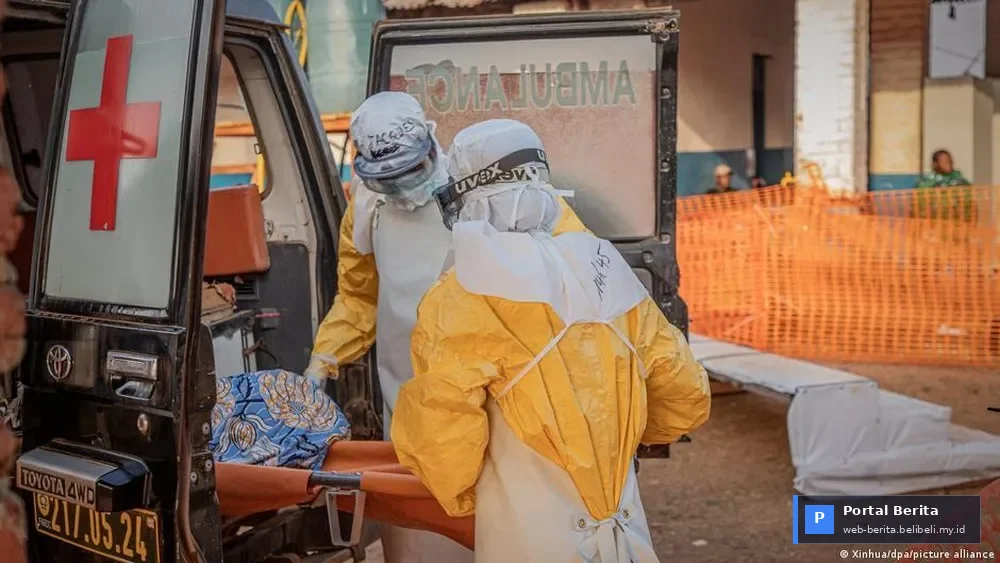
GOMA, DRC – The Democratic Republic of Congo (DRC) is once again grappling with a deeply concerning and evolving Ebola outbreak, now entering its most challenging phase in 2026. Latest data from the World Health Organization (WHO) reveals that the current resurgence, which has seen over 2,500 cumulative fatalities, is increasingly dominated by cases with no discernible link to known transmission chains—a phenomenon experts are calling 'mystery transmission.'
Approximately 70-80% of all newly confirmed Ebola cases each week in several eastern DRC provinces, particularly North Kivu and Ituri, are emerging without clear ties to previously identified infection pathways. This means these patients have no documented contact with prior confirmed cases, nor were they involved in high-risk funeral practices. “This is one of the worst-case scenarios we could imagine in an Ebola response,” stated Dr. Lena Khan, WHO Regional Director for Africa, during a virtual press briefing from Kinshasa. “We are fighting an enemy that moves in the shadows, complicating every effort at contact tracing and isolation.”
On-the-Ground Challenges: Why Ebola Remains Elusive
Several factors contribute to the complexity of the current outbreak. Protracted armed conflict in eastern DRC continues to hamper medical teams' access to the most affected areas. Displaced communities fleeing violence make comprehensive contact tracing nearly impossible. Furthermore, there remains a significant level of distrust and misinformation in some communities towards health workers and Ebola vaccines, despite their proven efficacy in containing previous outbreaks.
“When communities fear the very people coming to help them, or believe the disease is a curse rather than a virus, our response is crippled,” explained Dr. Pascal Ngoy, a representative from the DRC's Ministry of Health stationed in Beni. “These untraced cases often result from individuals dying at home and being buried traditionally without oversight, or those seeking alternative treatments before finally arriving at health facilities when it is already too late.”
Innovation and Hope Amidst the Crisis
Despite the immense challenges, innovative efforts are underway. The WHO and its partners have scaled up the use of technology for case mapping and transmission pattern analysis. Community engagement programs, led by local influential figures, are being expanded to rebuild trust. Additionally, targeted vaccination campaigns are being refined to reach at-risk populations more efficiently, even amidst the uncertainty.
“We must adapt. The Ebola in DRC in 2026 is not the same Ebola as five or ten years ago,” Dr. Khan affirmed. “It demands an agile response, deeper collaboration with communities, and sustained investment in local health infrastructure. Otherwise, this threat will not only persist but has the potential to spread beyond Congo's borders.” The international community is urged to provide greater global attention and support to prevent a more severe regional health crisis.
Frequently Asked Questions (FAQ)
- What makes the 2026 Ebola outbreak in DRC particularly challenging?
The primary challenge is the high percentage (70-80%) of new cases lacking clear links to known transmission chains, complicating contact tracing and isolation. Conflict, distrust, and misinformation also exacerbate the situation. - How are the WHO and partners addressing these 'mystery' cases?
They are scaling up technology for case mapping, expanding locally led community engagement programs, and refining targeted vaccination strategies to reach at-risk populations more efficiently. - What is the risk if this outbreak is not quickly controlled?
If not controlled, the outbreak has the potential to not only persist but also spread beyond the DRC's borders, triggering a larger regional health crisis with global implications for stability.