🔑 Key Takeaways
- A viral incident in early 2026 involved a medical professional disparaging a BPJS Health patient on social media, sparking widespread netizen outrage.
- A prominent psychiatrist highlights the empathy crisis in the digital age and stresses the importance of maintaining professional integrity amidst online pressures.
- Practical tips are provided, emphasizing patient privacy, ethical online conduct, and stress management to preserve public trust in healthcare services.
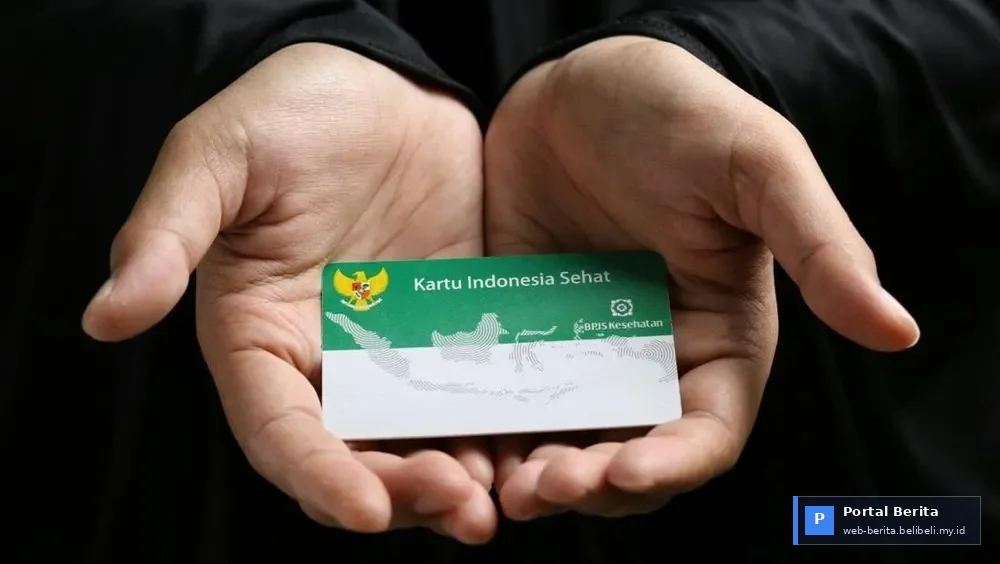
The digital world was once again rattled by a concerning incident involving a medical professional (nakes) and a BPJS Health patient. Videos and screenshots depicting disparaging comments directed at a BPJS Health patient went viral across social media platforms in early 2026, triggering a wave of outrage and sharp criticism from Indonesian netizens. This incident not only highlighted the professional ethics of medical staff but also sparked a deep discussion about empathy, the digitalization of healthcare services, and public trust in the national health insurance system.
The Wave of Netizen 'Rujakan' and Its Impact
The phenomenon of 'rujakan,' or mass condemnation from netizens, became unavoidable. Thousands of comments flooded related posts, demanding accountability and further education on the importance of empathy, especially for those in public service fields like healthcare. This public reaction reflects deep disappointment, not only towards the individual medical professional involved but also broader concerns about the quality of service and treatment of BPJS Health patients, who are often considered vulnerable. Patient advocacy networks and professional health organizations also spoke out, urging a comprehensive evaluation of the ethical standards and online conduct of their members.
Empathy Crisis in the Digital Age: A Psychiatrist's Perspective
Responding to this alarming incident, Dr. Indira Kusuma, a leading psychiatrist and digital mental health expert, expressed her concern. “The digital era, with its ease of access and relative anonymity, often serves as a double-edged sword,” she stated in an exclusive interview. “On one hand, social media can be a tool for education and connectivity, but on the other, it can erode professional boundaries and empathy. High work pressure in healthcare facilities, coupled with online disinhibition, can make individuals forget the essence of their profession: serving with heart.” Dr. Indira emphasized that this phenomenon is not just an individual problem but a reflection of larger systemic challenges in maintaining a balance between professional demands and digital presence.
Strategies to Maintain Empathy and Integrity on Social Media
Dr. Indira shared several crucial tips for healthcare professionals and the general public to maintain empathy and ethics on social media, especially in 2026 where digitalization is increasingly pervasive:
- Prioritize Patient Privacy: Never share patient information or images, even anonymously, without explicit consent. Privacy is a fundamental right and central to medical ethics.
- Think Before You Post: Every social media post, regardless of privacy settings, has the potential to become public. Consider whether the content aligns with your professional image and will not hurt others' feelings.
- Limit Negative Online Interactions: Avoid engaging in unproductive debates or 'comment wars,' especially concerning sensitive issues or patients. Focus on constructive and educational information.
- Seek Support & Manage Stress: The work environment in the healthcare sector is extremely challenging. Recognize signs of burnout and do not hesitate to seek support from colleagues, supervisors, or mental health professionals. Uncontrolled stress can trigger impulsive behavior, including on social media.
- Strengthen Digital Ethics Education: Educational institutions and healthcare facilities need to continuously update their professional ethics curricula to include digital aspects, ensuring medical professionals understand the legal and moral implications of their online behavior.
Rebuilding Public Trust
Incidents like this serve as an important reminder for all stakeholders in the healthcare ecosystem. The government, through the Ministry of Health and BPJS Health, is expected to strengthen oversight mechanisms and complaint handling. Professional organizations must be more proactive in enforcing codes of ethics and imposing firm sanctions on members who violate them. Most importantly, every individual medical professional must continue to adhere to their professional oath, making empathy the primary foundation in every interaction, both in the real world and in the digital realm. Only in this way can public trust in the national health system be continuously maintained and strengthened in the coming years.
Frequently Asked Questions
- What is 'rujakan' netizen?
- 'Rujakan' refers to a wave of mass criticism and condemnation launched by netizens on social media against an issue or individual deemed to violate norms.
- How does medical staff's social media behavior impact BPJS Health?
- Negative social media behavior by medical staff can damage professionalism's image, erode public trust in the entire healthcare system, including BPJS Health, and raise concerns about patient treatment.
- What is the role of educational institutions in maintaining digital ethics for medical staff?
- Educational institutions play a crucial role in integrating digital ethics into curricula, ensuring prospective medical staff understand the responsibilities and legal as well as moral implications of their online behavior from an early stage.