🔑 Key Takeaways
- Kimpul (Taro) has gained significant popularity in 2026 as a nutrient-rich local tuber and a prime alternative carbohydrate source.
- Nutrition experts from Universitas Airlangga (Unair) confirm kimpul's high nutritional value, including fiber, essential vitamins, and minerals, making it a healthy rice substitute.
- With vast potential in food diversification and flour production, kimpul is poised to become a pillar of future food security and healthy living.
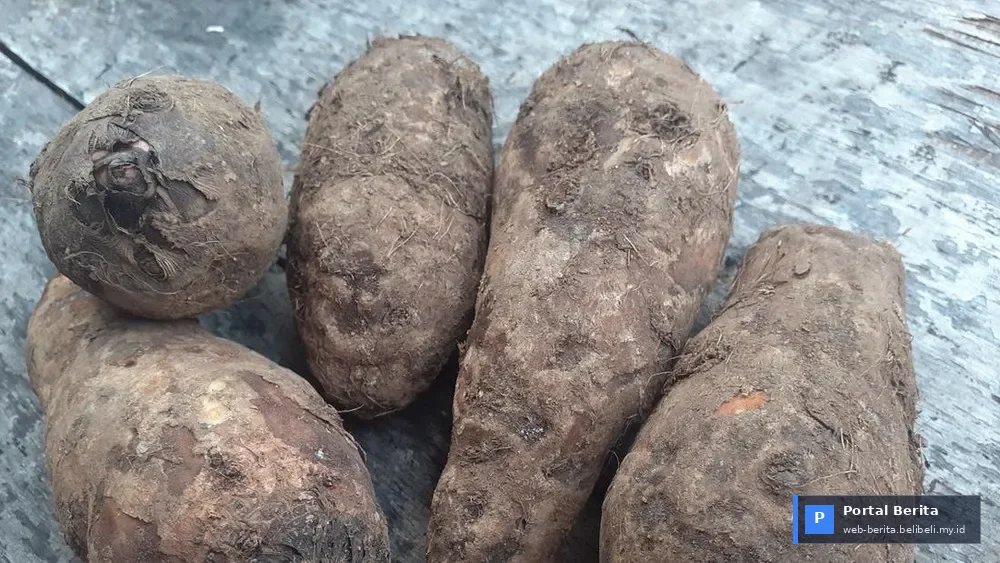
SURABAYA, February 26, 2026 – Amidst the growing trends in health and food sustainability, the name 'kimpul' or taro (Xanthosoma sagittifolium) has suddenly become a hot topic. This local tuber, once often overlooked, is now rising as a new star in the healthy diets of Indonesian society in 2026. Its potential as a highly nutritious alternative carbohydrate source, especially as a rice substitute, has garnered widespread attention, prompting nutrition experts to weigh in.
Kimpul: More Than Just an Ordinary Tuber
Kimpul, with its soft texture when cooked and savory taste, offers an impressive nutritional profile. Unlike other tubers, kimpul is rich in dietary fiber, B-complex vitamins, vitamin C, and essential minerals such as potassium, magnesium, and manganese. Its high fiber content not only aids digestion but also provides a longer feeling of fullness, making it an ideal choice for those looking to manage weight or regulate blood sugar levels.
“In 2026, awareness of healthy food choices is at an all-time high. Kimpul emerges as an outstanding natural solution,” says Prof. Dr. Anita Rachman, M.Sc., a nutrition expert from the Faculty of Public Health, Universitas Airlangga (Unair). “Its fiber and complex carbohydrate content mean kimpul is digested slower than white rice, helping to stabilize blood sugar levels and provide sustained energy. It’s a smart rice alternative for daily diets.”
Potential for Food Diversification and Culinary Innovation
Kimpul's viral popularity stems from the public's creativity in preparing it. Not just boiled or steamed, kimpul is now widely processed into various modern dishes, from crispy chips, traditional and contemporary cakes, to even a potato substitute in soups. Most promising is its potential for development into kimpul flour. This flour offers a gluten-free and low-glycemic alternative highly sought after in the food industry, opening doors for innovative, healthier, and diverse food products.
“Utilizing kimpul as flour will be a game-changer,” Prof. Anita adds. “It not only boosts the economic value for local farmers but also provides a healthier raw material option for the food industry and consumers seeking gluten-free alternatives. In an era where food security and diversification of carbohydrate sources are priorities, kimpul is a valuable asset.”
Kimpul on Your Dinner Table in 2026
With scientific backing and increasing public interest, kimpul is predicted to appear more frequently on Indonesian family dinner tables. From main dishes to healthy snacks, this local tuber is set to prove that healthy food can be delicious, affordable, and sustainable. Let's make kimpul a part of your healthy lifestyle, support local farmers, and look forward to a better food future.
❓ Frequently Asked Questions
What is kimpul?
Kimpul, also known as taro (Xanthosoma sagittifolium), is a type of local tuber rich in nutrients, often used as an alternative carbohydrate source.
What are the main health benefits of kimpul?
Kimpul is rich in fiber, B-complex vitamins, vitamin C, and minerals like potassium. Its benefits include healthy digestion, blood sugar stabilization, and sustained energy.
How can kimpul be incorporated into daily meals?
Kimpul can be boiled, steamed, fried, or roasted. It can be used as a rice substitute, made into chips, cakes, or even processed into flour for various culinary creations.