🔑 Key Takeaways
- Matcha Ube Latte continues to be a popular beverage trend in 2026, cherished for its unique colors and flavors.
- Purple yam (Ube) is naturally rich in antioxidants and fiber, but excessive additions of sugar, syrups, and toppings transform it into a high-calorie, high-sugar drink.
- Nutrition experts recommend enjoying this drink as an occasional treat and opting for versions with little to no added sugar to maintain its health benefits.
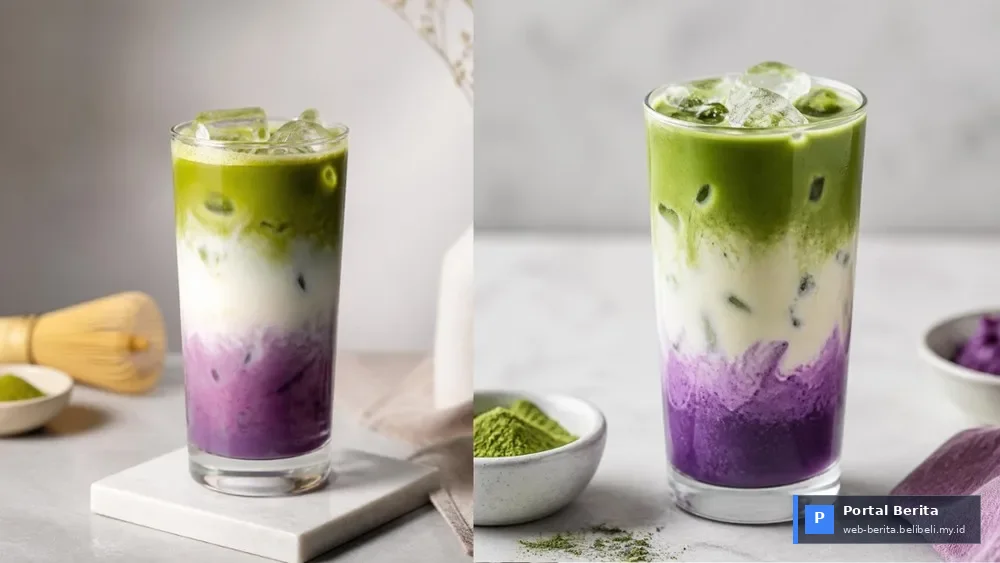
JAKARTA, February 14, 2026 – Amidst the never-ending whirlwind of culinary trends, one name continues to dominate social media feeds and modern cafe menus in 2026: the Matcha Ube Latte. The vibrant green of matcha combined with the soft purple of ube offers an undeniable visual appeal, enticing many to taste its unique flavor. However, behind its charm, a crucial question arises: is this viral drink truly healthy, or just a deceptively sweet trap?
The Appeal of Ube and Matcha: A Brief Look
Purple yam, or ‘ube’ in Filipino, is the star behind the mesmerizing purple hue of this latte. Naturally, ube is a nutrient-rich root vegetable. “Ube contains high levels of anthocyanin antioxidants, fiber, vitamin C, and potassium. It’s an excellent food for digestion and immune health when consumed in its natural form,” explains Dr. Tania Permata, Sp.GK, a leading clinical nutritionist based in Jakarta.
Similarly, matcha, the finely ground green tea powder from Japan, has long been recognized for its numerous health benefits. Matcha is rich in catechin antioxidants, particularly EGCG, believed to boost metabolism, support heart health, and possess anti-inflammatory properties.
Beware the Hidden Sugar and Calorie Trap
The problem arises when these healthy ube and matcha ingredients are processed into commercial beverages. Dr. Tania Permata warns, “The Matcha Ube Latte trend often involves the addition of sweet ube syrup, artificial sweeteners, condensed milk, whipped cream, and sometimes sugar sprinkles. All these additions drastically increase the sugar and total calorie content of the drink.”
A single medium-sized Matcha Ube Latte from a popular cafe can easily contain over 300-500 calories and tens of grams of sugar. This amount can exceed the World Health Organization's (WHO) recommended daily sugar intake, which ideally should be no more than 25 grams or about 6 teaspoons per day for adults.
Regular excessive sugar consumption carries a high risk of long-term health problems, including weight gain, insulin resistance, type 2 diabetes, and heart disease. Ironically, the antioxidant benefits of ube and matcha can become insignificant compared to the negative impact of added sugars.
Enjoying Matcha Ube Latte More Healthily
Does this mean we should completely avoid Matcha Ube Latte? Not at all, says Dr. Tania. “The key is moderation and smart choices.”
- Order Without Added Sugar: If possible, ask the barista to reduce or omit syrups and sweeteners. Focus on the natural flavors of ube and matcha.
- Choose Plant-Based Milk: Opt for unsweetened almond, oat, or soy milk as an alternative to high-fat dairy milk.
- Portion Size: Choose a small or medium size, and treat this drink as an occasional treat, not a daily beverage.
- Make Your Own at Home: This is the best way to control ingredients. Use steamed, mashed ube, pure matcha powder, your milk of choice, and a touch of honey or stevia as a natural sweetener.
- Monitor Total Intake: Remember that this drink is part of your daily diet. Balance it with other nutritious foods.
Ultimately, the Matcha Ube Latte is a perfect example of how intrinsically healthy foods can become less healthy through processing and ingredient additions. With awareness and better choices, we can still enjoy this trend without compromising our health.
FAQ: Frequently Asked Questions
Q: What is Ube?
A: Ube is the Filipino name for purple yam, a type of root vegetable known for its vibrant natural purple color and mildly sweet taste. Ube is rich in antioxidants, fiber, and various vitamins and minerals.
Q: Is Matcha Ube Latte suitable for daily consumption?
A: Generally no. While its base ingredients are healthy, most commercial Matcha Ube Lattes contain high amounts of sugar and calories from added syrups and sweeteners. It's best enjoyed as an occasional treat, not a daily beverage.
Q: How can I make a healthier Matcha Ube Latte at home?
A: For a healthier version, use steamed and mashed purple yam, unsweetened pure matcha powder, unsweetened plant-based milk, and add a minimal amount of natural sweetener like honey or stevia to your taste.