🔑 Key Takeaways
- A powerful M7.1 earthquake in Japan triggered widespread 'panic buying' of fuel, leading to long queues at gas stations across affected regions.
- The incident highlights the vulnerability of Japan's energy supply chains and pressures the government to accelerate energy resilience strategies amidst 2026 global challenges.
- Experts advocate for increased strategic reserves, diversification of energy sources, and public education to better prepare for future emergencies.
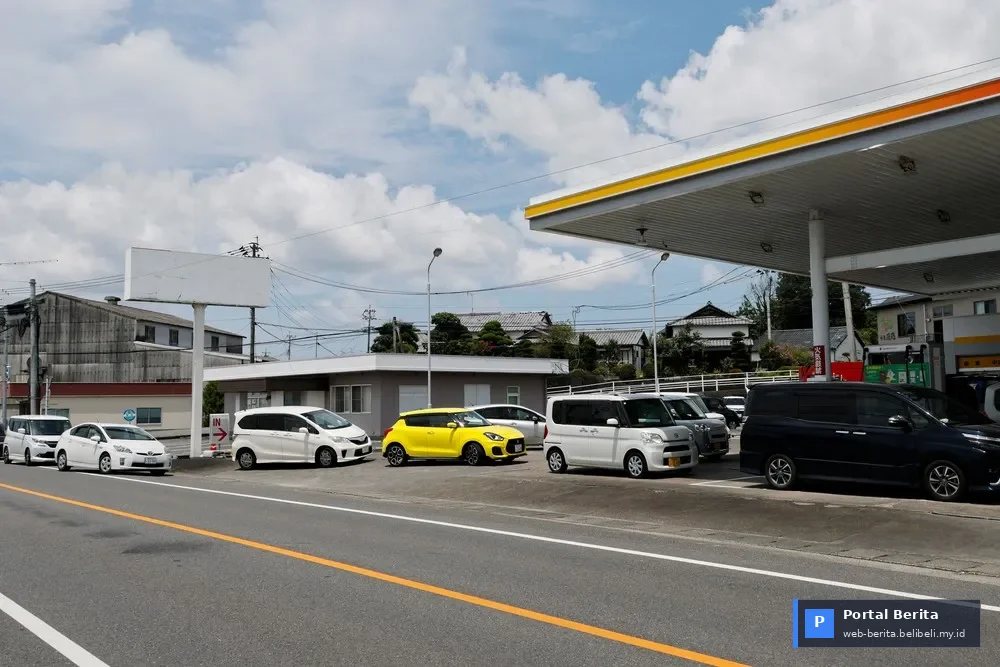
TOKYO, Japan – A powerful Magnitude 7.1 earthquake struck central and northern Japan this week, sparking widespread concern and, unexpectedly, a wave of fuel 'panic buying'. Lengthy queues of vehicles were seen at numerous gas stations across affected prefectures, reflecting citizens' instinctive rush to prepare for potential supply disruptions.
The strong tremors, occurring in the early hours, jolted millions awake and caused minor infrastructure damage in some areas. However, it was the rapid public response to fuel that drew significant economic attention. From dawn, thousands of drivers flocked to petrol stations, determined to fill their tanks as a precautionary measure against potential emergency conditions.
Supply Chain Vulnerability Under Scrutiny
This phenomenon is not new to Japan, a nation highly prone to natural disasters. Yet, the intensity and scale of this round of 'panic buying' have reignited serious debate about national energy resilience in 2026. “This incident is a stark reminder of the vulnerability of our energy supply chains, especially when confronted with unforeseen shocks,” explained Dr. Kenji Tanaka, an energy economist at the University of Tokyo. “While Japan has invested heavily in earthquake-resistant infrastructure, the collective psychology during a crisis can overwhelm existing distribution systems.”
The overflowing queues disrupted daily activities and raised concerns about potential fuel shortages if aftershocks or further damage occurred. Despite local government and energy companies promptly issuing statements assuring supply availability, public anxiety remained high. Experts point out that lessons from previous earthquakes, such as the 2011 Tohoku quake, should have prompted stronger preparedness measures, including more effective crisis communication systems to prevent panic.
Moves Towards Better Energy Resilience
The Japanese government, through the Ministry of Economy, Trade and Industry (METI), has underscored its commitment to strengthening energy resilience. Current discussions center on increasing strategic fuel reserves, diversifying supply routes, and accelerating the transition to electric vehicles (EVs) and renewable energy. “While EVs offer a long-term solution, for now, we must ensure that essential fossil fuel supplies can be accessed rapidly and efficiently during emergencies,” stated a METI official who wished to remain anonymous.
Professor Akiko Sato, a disaster logistics expert from Kyoto University, emphasized the importance of public education. “Citizens need to understand that panic can exacerbate the situation. Clear information about emergency fuel station locations, efficient fuel use during evacuation plans, and the importance of having safe domestic fuel reserves can be immensely helpful.”
This post-quake 'panic buying' incident serves as a significant wake-up call for Japan. With the global energy landscape continuously volatile in 2026, the need for a comprehensive, resilient, and responsive energy security strategy against natural disasters is more pressing than ever. How Japan balances immediate energy needs with its long-term vision for sustainability will be key in navigating future challenges.
FAQ
- Q: Why did people rush to fill up their tanks after the earthquake?
A: Out of immediate concern for potential fuel supply disruptions, road closures, and the need for mobility for evacuation or other emergencies following the strong earthquake. - Q: What is Japan doing to prevent future fuel panic?
A: The government is considering increasing strategic fuel reserves, improving emergency distribution systems, and launching public education campaigns on fuel management during crises. - Q: How does this incident impact Japan's energy security strategy?
A: This incident reinforces the urgency for Japan to accelerate energy source diversification, invest more in renewable energy and electric vehicles, and strengthen emergency energy supply infrastructure.