🔑 Key Takeaways
- The use of GLP-1 agonist medications for weight loss has surged in the United States by 2026, driven by their effectiveness and increased accessibility.
- This escalating demand is fueling unprecedented growth in the obesity therapeutics market, projecting billions in revenue for the pharmaceutical industry.
- While promising, the rise of GLP-1s also sparks critical discussions regarding accessibility, insurance coverage, and the need for holistic, long-term management.
WASHINGTON, D.C. — By 2026, the landscape of weight management in the United States has undergone a dramatic transformation, largely due to the accelerating adoption of glucagon-like peptide-1 (GLP-1) receptor agonist medications. What was once a niche therapy is now a mainstream solution for millions living with obesity, fueling unprecedented pharmaceutical market growth and prompting crucial public health discussions.
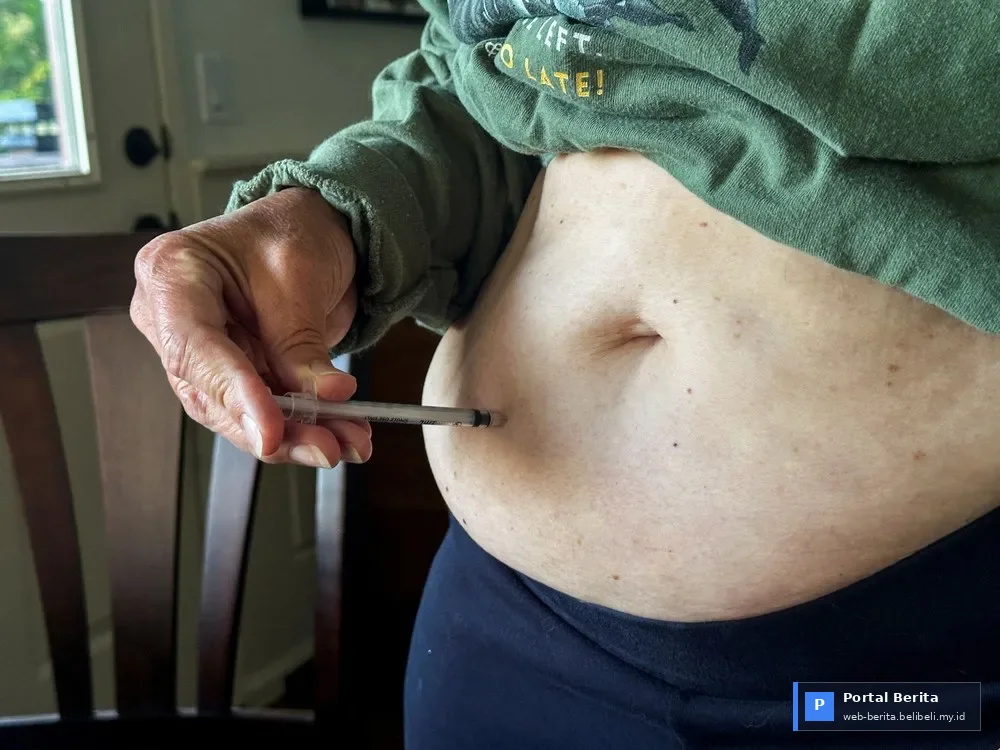
Recent data indicates that GLP-1 prescriptions for weight loss purposes continue to skyrocket nationwide. The driving factors behind this trend are multifaceted, ranging from advancements in drug formulations that offer greater convenience (such as weekly or even monthly injections now being developed) to broader public awareness of their proven efficacy in achieving significant weight reduction and improving obesity-related comorbidities like type 2 diabetes and cardiovascular disease.
The Scientific Revolution Behind Weight Loss
GLP-1 medications work by mimicking a natural hormone released in the gut after eating, which can suppress appetite, slow stomach emptying, and enhance feelings of fullness. “This isn't just a magic pill; it's a powerful medical intervention that works with the body's biology to address the underlying factors of obesity,” explains Dr. Anya Sharma, a leading endocrinologist at the National University Medical Center. “As of 2026, we have substantial clinical experience showing that, when used in conjunction with lifestyle changes, GLP-1s can deliver life-changing results.”
Increased recognition of obesity as a complex chronic disease, rather than solely a lifestyle issue, has also paved the way for greater acceptance of pharmacological interventions. Patients and healthcare providers are now more open to considering these medications as an integral part of long-term care plans.
Economic Impact and Market Boom
The surging demand has turned GLP-1s into one of the fastest-growing drug categories in history. Market analysts project that the global obesity therapeutics market, led by GLP-1s, will reach hundreds of billions of dollars within the next few years, with the United States being the largest segment. Pharmaceutical companies are in a race to develop new formulations, delivery routes, and drug combinations to meet this ever-increasing demand.
“This year, 2026, we're seeing the pharmaceutical industry truly double down on GLP-1 research and development. It's a multi-billion-dollar market with continued growth potential,” states Michael Chen, a senior health analyst at the Global Pharma Insight Group. “However, this surge also highlights the pressures on the healthcare system in terms of accessibility, pricing, and ensuring these drugs reach those who need them most.”
Challenges Amidst Success
Despite their success, the proliferation of GLP-1s is not without its challenges. Concerns about the high cost of these medications and varied insurance coverage remain significant barriers for many patients. While an increasing number of insurers are beginning to cover the costs, equitable access is still far from a reality.
Furthermore, there are ongoing discussions regarding the long-term use of GLP-1s, potential side effects (though mostly mild, such as nausea and diarrhea), and the importance of integrating drug therapy with nutritional and exercise support. “These medications are incredibly effective, but they are not a substitute for a healthy lifestyle,” adds Dr. Sharma. “Patient education and a holistic approach are crucial for long-term success and to prevent an over-reliance solely on pharmacological interventions.”
As 2026 unfolds, it is clear that GLP-1s have cemented their place as a key component in obesity management. However, the path forward will require collaborative efforts from policymakers, the healthcare industry, and patients to ensure this scientific revolution translates into sustainable and accessible health solutions for all.
Frequently Asked Questions (FAQ)
1. What are GLP-1 drugs and how do they work for weight loss?
GLP-1 (glucagon-like peptide-1 receptor agonist) drugs are a class of medications that mimic a natural hormone, GLP-1, which regulates appetite and blood sugar. They work by slowing digestion, increasing feelings of fullness, and reducing cravings, all contributing to weight loss.
2. Do GLP-1 medications have side effects?
Yes, like most medications, GLP-1s can have side effects. The most common include nausea, vomiting, diarrhea, or constipation, especially when starting treatment or increasing the dose. More serious side effects are rare but can include pancreatic or thyroid issues.
3. Does health insurance cover GLP-1 drugs for weight loss in 2026?
Insurance coverage for GLP-1 drugs prescribed for weight loss varies significantly in 2026. Some insurance providers have begun to cover them as part of obesity management programs, while others still consider them 'cosmetic' or do not cover them fully. It's essential to check your specific insurance policy.