🔑 Key Takeaways
- Calorie tracking technology in 2026 apps and smartwatches offers advanced personalization and integrated health data.
- Effective for enhancing nutritional awareness and initial motivation, but susceptible to inaccuracies and potential for obsession with numbers.
- The best approach is to use them as a supportive tool, combined with expert nutritional guidance and a focus on holistic health.
In 2026, the evolution of health technology continues at a rapid pace. From smartwatches now capable of highly accurate sleep pattern predictions to AI-powered nutrition apps offering super-personalized meal plans, digital devices have become an integral part of modern lifestyles, especially for those looking to manage their weight. One of the most frequently utilized features is the ability to track calorie intake.
The question remains relevant: is counting calories via mobile apps or smartwatches truly effective in helping to achieve sustainable weight loss? Or are there limitations and risks that need to be considered? Let's delve deeper into the views of nutrition experts in this digital era.
Calorie Tracking Technology 2026: More Than Just Numbers
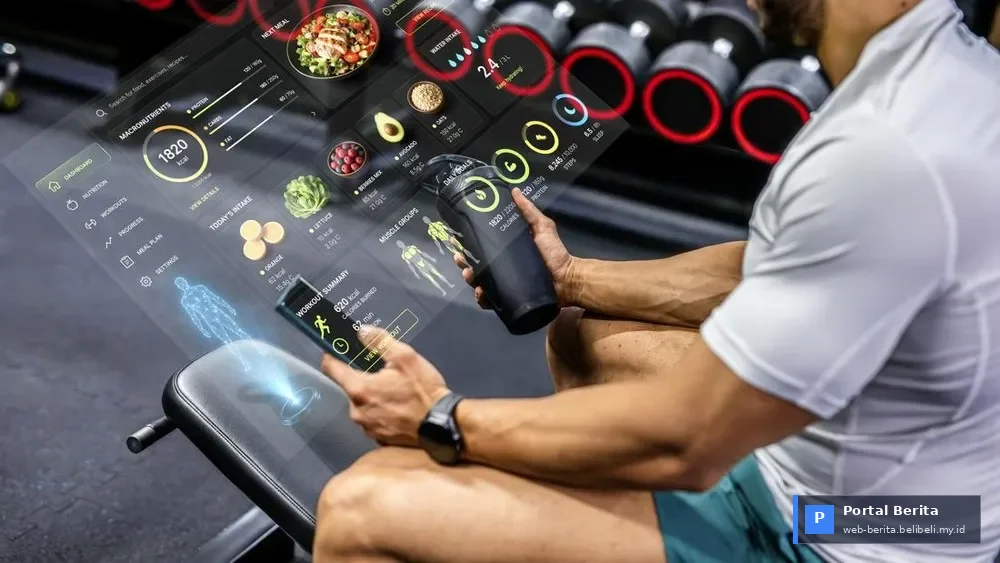
Smartwatches and nutrition apps in 2026 far surpass the capabilities of their predecessors. “In the past, calorie tracking was simply about inputting numbers,” says Dr. Tania Putri, Sp.GK, a leading nutritionist practicing in Jakarta. “Now, advanced platforms can integrate physical activity data from smartwatches, sleep patterns, and even stress levels, to provide a more dynamic and personalized estimate of daily calorie needs. Some even use AI to analyze food composition from photos, reducing the burden of manual input.”
Features such as recipe recommendations based on available ingredients, automatic hydration alerts, and macro- and micronutrient trend analysis make these tools highly appealing. For many, the awareness gained from seeing their intake data in real-time is a crucial first step towards healthier eating habits.
Effectiveness and Challenges: Two Sides of the Same Coin
In terms of effectiveness, there’s no denying that calorie tracking can be a powerful tool. “For some individuals, especially in the initial phases of weight loss, tracking calories can be incredibly helpful in building awareness of portion sizes and food choices,” explains Dr. Tania. “It creates accountability and allows them to see the direct relationship between what they eat and how it impacts their goals.”
However, challenges also abound. Firstly, accuracy. Despite advancements, calorie data for food, especially homemade meals or restaurant dishes, is often an estimation. User input errors are also common. Secondly, the potential for obsession. An excessive focus on calorie numbers can lead to an unhealthy relationship with food, where food is viewed merely as a string of digits, rather than a source of nourishment and enjoyment. “We’ve seen an increase in cases where patients become overly anxious about every gram of food, neglecting the importance of nutritional quality, the body's natural hunger and fullness cues, or the pleasure of eating in a social context,” adds Dr. Tania.
Holistic Approach: The Key to Long-Term Success
Nutrition experts agree that technology is a supportive tool, not the sole solution. “Technology is an amazing aid, but true health comes from a comprehensive understanding of our bodies and lifestyles, not just a string of calorie numbers,” asserts Dr. Tania Putri. For sustainable weight loss and optimal health in 2026, a holistic approach is strongly emphasized.
This means not just focusing on calories, but also on food quality (whole foods versus processed), adequate hydration, regular physical activity, sleep quality, and stress management. Apps and smartwatches can support all these aspects with integrated tracking features, but the decisions and interpretation of data should always be guided by self-awareness and, ideally, consultation with a nutritionist. Using technology as a guide, rather than a dictator, is key to achieving healthy, sustainable long-term health goals.
FAQ: Frequently Asked Questions
- Are calorie tracking apps truly accurate in 2026? Modern apps in 2026 have significantly improved accuracy through expanded databases and AI features for food recognition. However, accuracy can still vary, especially for homemade or restaurant dishes, as it relies on detailed user input.
- Can calorie tracking lead to an unhealthy relationship with food? Yes, there's a risk. Focusing too much on calorie numbers can lead to obsession, anxiety, and ignoring the body's natural hunger and fullness cues, potentially developing unhealthy eating patterns or orthorexia.
- Should everyone track their calories for weight loss? Not necessarily. While calorie tracking can be effective for some individuals to build awareness, for others, a more intuitive approach or a focus on food quality and portion control might be more sustainable. Consulting a nutritionist can help determine the best strategy for an individual.