🔑 Key Takeaways
- As of today, Friday, August 21, 2026, tariffs are officially imposed on Section 3 of the Bayung Lencir-Simpang Ness toll road, part of the Betung-Tempino-Jambi route.
- This marks a crucial step in the completion of the Trans-Sumatra Toll Road (JTTS), enhancing connectivity and logistical efficiency.
- The tariff implementation is expected to accelerate regional economic growth, attract investment, and support key sectors in South Sumatra.
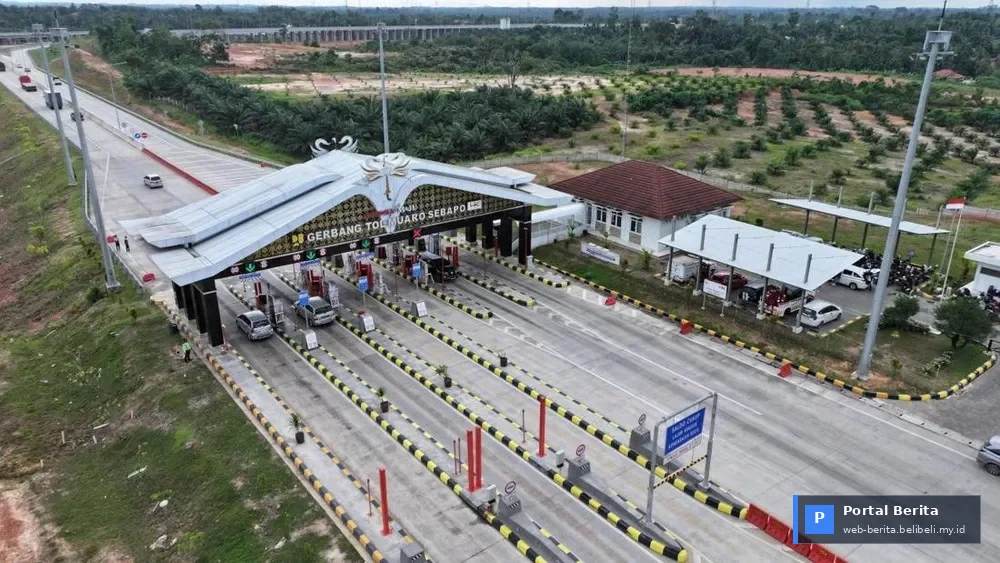
PALEMBANG – Another significant milestone in Sumatra's connectivity infrastructure development has been reached. Effective today, Friday, August 21, 2026, Section 3 of the Bayung Lencir to Simpang Ness segment, part of the Betung (Sp Sekayu)-Tempino-Jambi Toll Road, officially began imposing tariffs on road users.
Enhancing Logistics Efficiency and Travel Time
This tariff implementation is more than just a formality; it is a strategic move to ensure adequate operational sustainability and maintenance of the toll road. This section is a crucial segment within the Trans-Sumatra Toll Road (JTTS) network, connecting South Sumatra Province with Jambi, as well as other surrounding areas. With the full operation of this section, a significant reduction in travel time and logistics costs is anticipated, directly impacting the region's economic competitiveness.
Dr. Ir. Budi Santoso, an Infrastructure Economic Analyst from the National Development University, stated, “The implementation of tariffs on the Bayung Lencir-Simpang Ness section is critical. It's not just about return on investment, but also about creating an efficient transportation ecosystem. By reducing travel time, operational costs for logistics vehicles can be suppressed, which will ultimately be reflected in the prices of goods and services in the market. This is a direct stimulus for regional economic growth.”
Stimulus for Strategic Economic Sectors
Toll road connectivity has proven to be a catalyst for various economic sectors. With faster and easier access, the plantation, mining, and tourism industries along the toll corridor will experience further growth. Producers can distribute their products to markets more quickly, while tourists have more convenient access to attractive destinations in southern Sumatra.
Local governments also hope that the operation of this tolled section will attract new investments to the region. The availability of adequate infrastructure is often a primary consideration for investors seeking strategic locations for their business development. This toll section also facilitates the smoother distribution of key regional commodities, such as rubber, palm oil, and coal, to ports or other consumption centers.
Sustainability and Optimal Service
The toll road management is committed to ensuring excellent service for users. This includes routine maintenance, rapid emergency response, and modern, efficient transaction systems. The implementation of tariffs is a mechanism to ensure that these service standards can be continuously maintained and improved over time, for the convenience and safety of all road users.
FAQ: Frequently Asked Questions
- 1. Which toll road section is now subject to tariffs as of today?
The toll road section that began imposing tariffs today, Friday, August 21, 2026, is Section 3 Bayung Lencir-Simpang Ness, part of the Betung (Sp Sekayu)-Tempino-Jambi Toll Road. - 2. What is the primary purpose of implementing tariffs on this toll section?
The main purpose is to ensure operational sustainability, routine maintenance, and the return on investment for the infrastructure development, while guaranteeing service quality for road users. - 3. What are the economic impacts of this tariff implementation on the region?
The tariff implementation is expected to enhance logistics efficiency, reduce travel times, decrease transportation operational costs, and stimulate growth in strategic economic sectors such as plantations, mining, and tourism, by attracting new investments to the area.