🔑 Key Takeaways
- Minister of Cooperatives and MSMEs Maman Abdurrahman highlights three key MSME financing challenges in 2026: digital literacy gaps, collateral limitations, and access to information.
- The government is focusing on innovative solutions such as alternative credit scoring development, digital financial literacy programs, and integrating MSMEs into supply chain ecosystems.
- Collaboration among the government, financial institutions, and technology providers is expected to expand inclusive and sustainable financing access for Indonesian MSMEs.
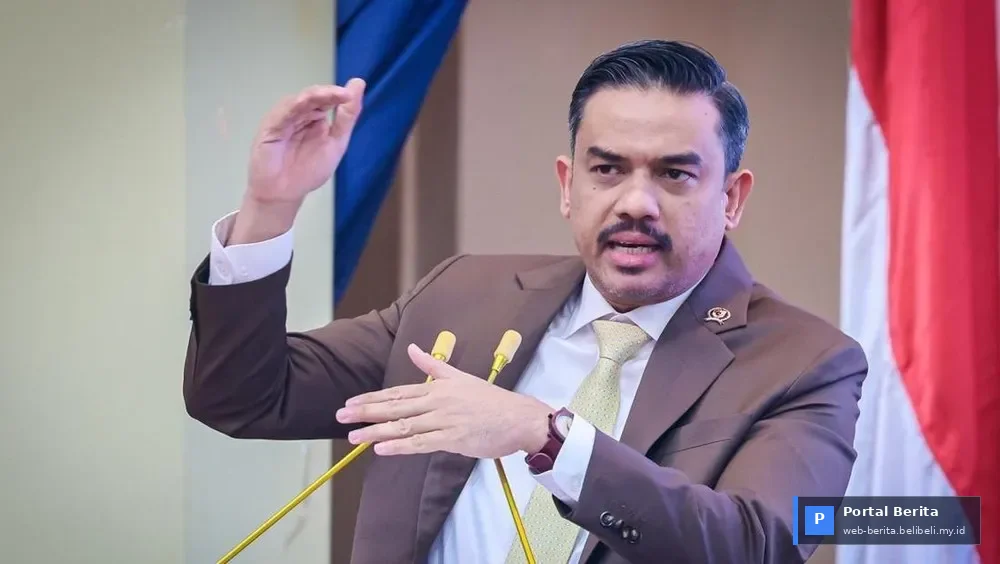
JAKARTA – Minister of Cooperatives and Micro, Small, and Medium Enterprises (MSMEs), Maman Abdurrahman, recently provided an in-depth analysis of the significant hurdles MSMEs face in accessing financing in 2026. Amidst post-pandemic economic growth optimism, the MSME sector remains the backbone of the national economy, yet challenges in securing business capital persist. Minister Maman emphasized that current government efforts are focused on proactive and adaptive solutions to market dynamics.
“Financing for MSMEs is not just a number in a bank’s ledger; it is the oxygen for millions of entrepreneurs driving our economy,” stated Minister Maman during a virtual panel discussion. “In 2026, we are observing more complex challenges, not just concerning fund availability, but also the alignment between MSME needs and existing financing products.”
Digital Literacy and Information Access: A Widening Gap
One crucial point highlighted by Minister Maman is the digital literacy gap among MSME players, especially in rural areas. Although digital lending platforms and fintech are rapidly developing, many MSMEs still struggle to utilize these technologies optimally. “Data shows that approximately 40% of MSMEs are not yet fully familiar with digital financial applications or even the online loan application process,” Maman explained. “This creates a significant barrier to accelerating their financial inclusion.”
Furthermore, a lack of access to clear and reliable information regarding various available financing schemes is also an issue. Often, MSMEs do not know which loan products best suit their risk profiles and needs, or how to meet the necessary requirements.
Collateral Limitations and Formal Financial Record-Keeping
The classic challenges of limited collateral and minimal formal financial record-keeping remain significant stumbling blocks. Conventional banks often require collateral of comparable value and tidy financial statements, while many MSMEs, particularly micro-scale ones, operate with a more informal business model. “Many MSMEs have great potential, but their assets may be intangible or difficult to assess by traditional banking criteria,” Maman noted. “This is an area where we must innovate.”
The government, through the Ministry of Cooperatives and MSMEs, is promoting the development of alternative credit scoring systems that do not solely rely on physical collateral or bank credit history. Instead, these systems consider digital transaction records, business performance on e-commerce platforms, and even community reputation. “We are working to integrate this data to create a more holistic and inclusive credit profile,” he added.
Innovative Strategies to Expand Financing Access
To address these challenges, the Ministry of Cooperatives and MSMEs has prepared several innovative strategies for 2026. First, more massive financial and digital literacy programs, in collaboration with technology providers and educational institutions. Second, encouraging the development of more flexible financing products, including blended finance schemes and supply chain-based financing that links MSMEs to larger business ecosystems.
“We believe that with close collaboration among the government, financial institutions, the private sector, and communities, we can create an environment where every MSME has a fair chance to grow and thrive,” Minister Maman concluded. “This is our commitment to ensuring that the MSME sector remains a pillar of Indonesia’s economic strength in the future.”
❓ Frequently Asked Questions
1. What are the primary MSME financing challenges in Indonesia in 2026?
Key challenges include the digital literacy gap among MSMEs, limitations in collateral and formal financial record-keeping, and insufficient access to clear information about available financing products.
2. How does the government plan to address the collateral issue for MSMEs?
The government plans to develop alternative credit scoring systems that do not solely depend on physical collateral, but also consider digital transaction history and business performance on e-commerce platforms.
3. What role does digital literacy play in improving MSME financing access?
Digital literacy enables MSMEs to utilize digital lending platforms and fintech, understand online financial products, and manage their finances more efficiently, all of which are crucial for securing financing.