🔑 Key Takeaways
- High consumption of processed meats, ultra-processed foods, and added sugars significantly elevates colorectal cancer risk.
- New research in 2026 highlights the crucial role of the gut microbiome and chronic inflammation as links between diet and cancer development.
- Adopting a fiber-rich diet from fruits, vegetables, whole grains, and plant-based proteins is a primary recommended prevention strategy.
Jakarta, 2026 – A scientific breakthrough published earlier this year has sent ripples through the health community, definitively confirming the strong link between everyday dietary patterns and an individual’s risk of developing colorectal cancer (colon and rectal cancer). This comprehensive study, involving millions of global participants, provides clearer guidance on how our food choices directly impact our gut health and the potential development of this deadly disease.
The research, conducted by a leading international consortium of scientists, indicates that while genetic factors and other lifestyle choices play a role, diet is one of the most significant modifiable risk factors we can control. These findings are expected to form the bedrock for global public health recommendations in the years to come.
Processed Meats and High Sugar: A Dangerous Combination
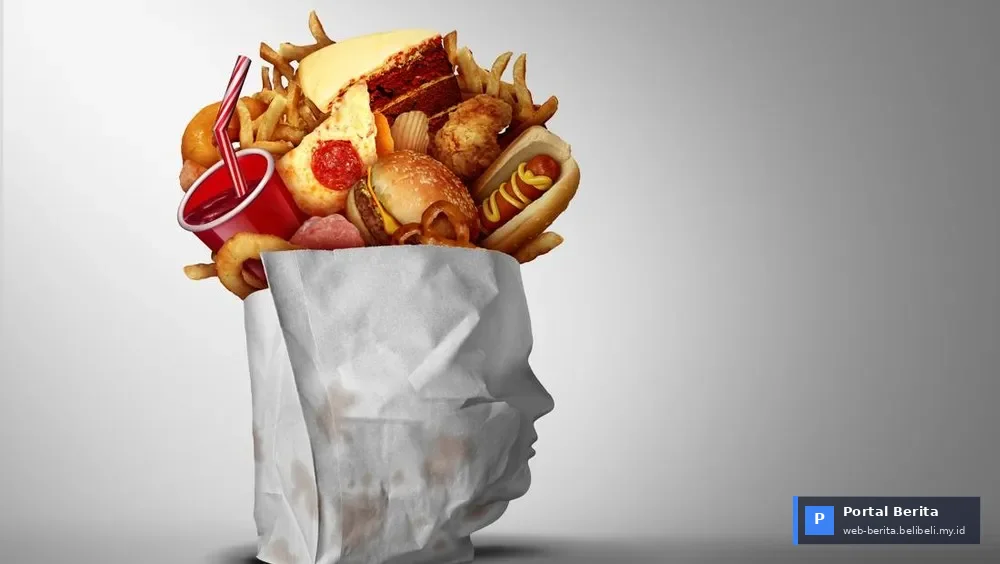
A primary focus of this 2026 study was on the impact of ultra-processed foods, processed meats, and sugary beverages. Researchers found that regular consumption of these products strongly correlated with an increased incidence of colorectal cancer. Processed meats such as sausages, bacon, and ham, which often contain nitrates and nitrites, have long been suspected carcinogens. This study solidifies the evidence that these compounds can damage the intestinal lining and trigger cellular mutations.
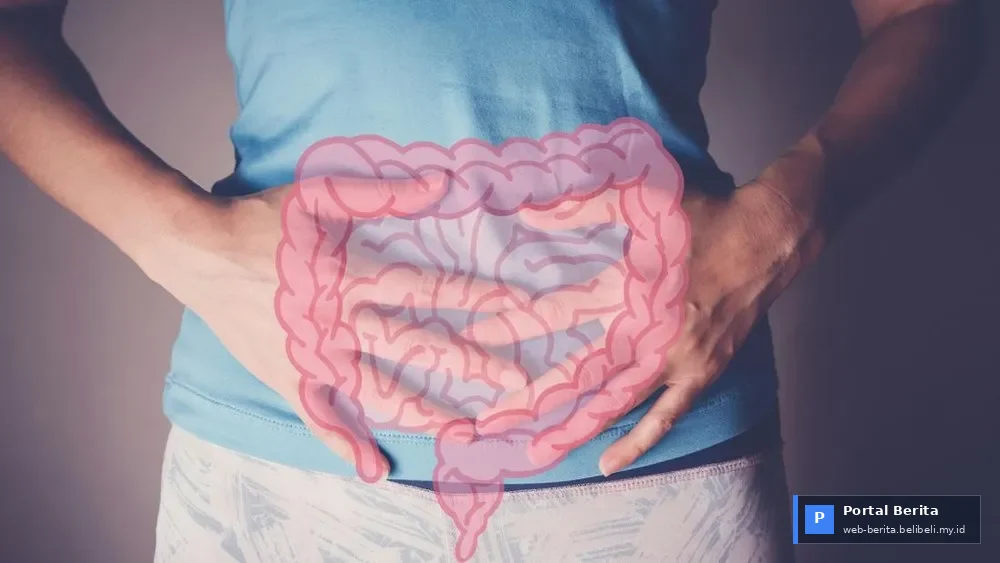
Furthermore, a high intake of added sugars, particularly from soft drinks and packaged snacks, was identified as a trigger for chronic inflammation in the body. Long-term inflammation is a known risk factor for many cancers, including colorectal cancer. “Our gut microbiome – the community of bacteria living within our intestines – is incredibly sensitive to what we eat,” explained Dr. Elena Ramirez, lead researcher of the study, during a press conference. “A poor diet can disrupt the microbiome’s balance, leading to dysbiosis, which in turn fuels inflammation and creates an environment conducive to cancer cell growth.”
The Power of Fiber and a Healthy Gut Microbiome
In stark contrast to the negative impact of processed foods, the study consistently demonstrated the protective effects of a fiber-rich diet. Fruits, vegetables, whole grains, and legumes provide essential fiber for gut health. Fiber not only aids in healthy digestion but also acts as a prebiotic, feeding the beneficial bacteria in the gut.
A healthy gut microbiome can produce short-chain fatty acids (SCFAs) like butyrate, which possess anti-inflammatory and anti-cancer properties. “Fiber is the unsung hero in colorectal cancer prevention,” Dr. Ramirez stated. “It supports a robust gut ecosystem that can combat free radicals and reduce inflammation, thereby effectively lowering risk.”
2026 Dietary Guidelines for Colorectal Cancer Prevention
Based on these new findings and existing evidence, nutrition and oncology experts recommend dietary adjustments as a first line of defense against colorectal cancer. Here are the suggested guidelines:
- Increase Fiber Intake: Consume at least 25-30 grams of fiber per day from diverse sources such as berries, apples, broccoli, spinach, whole grains, brown rice, lentils, and beans.
- Limit Red and Processed Meats: Reduce red meat (beef, lamb, pork) consumption to no more than two servings per week, and avoid processed meats entirely.
- Opt for Plant-Based Proteins: Replace meat with plant-based protein sources like tofu, tempe, lentils, chickpeas, or mushrooms several times a week.
- Avoid Ultra-Processed Foods and Added Sugars: Minimize consumption of packaged snacks, sugary drinks, cakes, and candies. Choose water, herbal tea, or fresh fruits as snacks.
- Prioritize Whole Foods: Focus on foods as close to their natural state as possible, such as fruits, vegetables, whole grains, and healthy fats (avocado, nuts, olive oil).
Adopting a healthy diet isn’t just about reducing the risk of colorectal cancer; it’s about improving overall well-being. With the latest insights from this 2026 study, we have the power to make better dietary choices for a healthier future.
Frequently Asked Questions (FAQ)
- Are all red meats harmful? Not entirely, but consuming large and frequent amounts of red meat increases risk. Processed meats like sausages and ham should be avoided.
- How much fiber do I need daily? Generally, about 25-30 grams of fiber per day is recommended for adults, from various whole food sources.
- Are fiber supplements as effective as natural fiber? While supplements can assist, fiber from whole foods is more recommended as it provides additional nutrients, antioxidants, and synergistic effects not found in supplements.