🔑 Key Takeaways
- A 'horror' traffic jam stretching 7 KM crippled Ketapang Port, Banyuwangi, for three days, disrupting logistics and travel in early 2026.
- Post-pandemic surge in vehicle volume and infrastructure not fully adapted to digitalization are the main culprits.
- The government is urged to accelerate the implementation of integrated online ticketing systems and comprehensive port infrastructure revitalization.
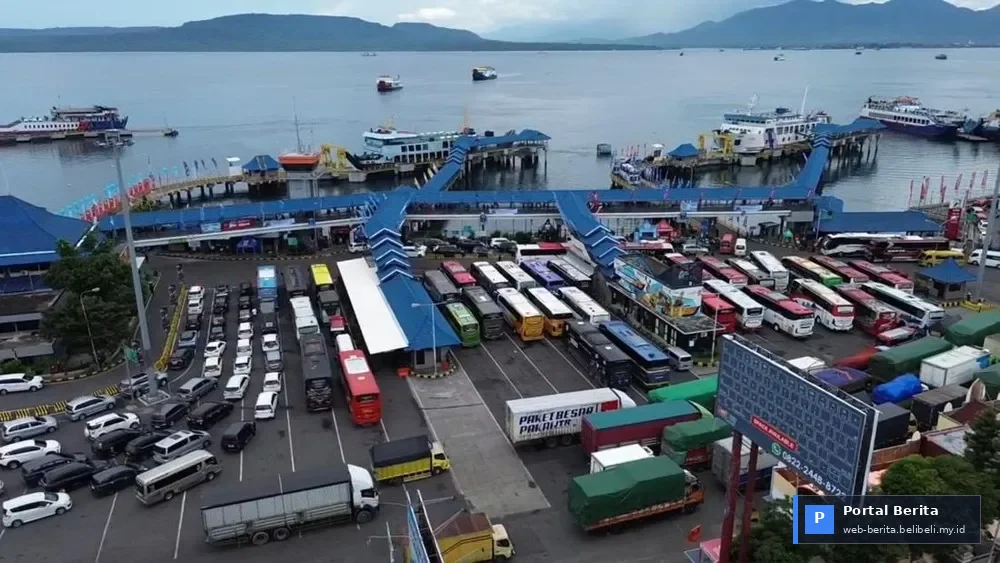
BANYUWANGI, January 22, 2026 – Ketapang Port in Banyuwangi, East Java, has once again become a national spotlight after experiencing a severe traffic jam stretching up to 7 kilometers for three consecutive days. This incident, dubbed a 'horror jam,' not only tested the patience of thousands of ferry service users but also caused significant economic losses, highlighting the urgency of long-term solutions for one of Indonesia's vital logistics and tourism routes.
The prolonged congestion primarily affected four-wheeled vehicles and larger, snaking from the port entrance onto the Banyuwangi highway. The situation was exacerbated by long queues at the ferry ticket counters and a pier capacity that no longer seemed adequate amidst the surge in post-global pandemic mobility.
Unveiling the Root Causes: Demand Surge and Outdated Infrastructure
According to Prof. Dr. Budi Santoso, a logistics expert from Gadjah Mada University, the root cause of the 2026 Ketapang congestion is a combination of several factors. “In 2026, we are witnessing a very strong economic and tourism rebound, especially in the Java-Bali corridor. The volume of vehicles crossing has far exceeded the growth predictions from five years ago,” explained Prof. Budi in our exclusive interview.
He added that the existing online ticketing system has not been fully implemented with discipline and integrated with queue management on the ground. “Many still buy tickets on-site or arrive not according to their reservation schedule, creating unavoidable bottlenecks,” he continued. Furthermore, while there have been some upgrades, the port's infrastructure still cannot accommodate peak volumes, both in terms of parking areas, entry lanes, and the number of operational berths.
Widespread Economic and Social Impact
This congestion is more than just an inconvenience. The logistics sector is one of the hardest hit. Cargo trucks transporting goods from Java to Bali or vice versa can be stuck for up to dozens of hours, causing delivery delays and potential losses of millions of rupiah per day per vehicle. “This disrupts the supply chain and directly impacts commodity prices in the market,” said Ir. Tania Putri, Head of the East Java Provincial Industry and Trade Office.
The tourism sector also felt the impact. Thousands of tourists heading to Bali or returning to Java were forced to postpone their trips, ruining schedules and holiday experiences. Public frustration also peaked, evident from numerous complaints on social media and reports to emergency posts.
Short-Term Measures: Rapid Response and Full Digitalization
In response to the crisis, the Ketapang Port Authority stated that it had taken several emergency steps. “We have deployed additional officers to manage traffic, opened backup counters, and coordinated with the police,” said Mr. Agus Salim, Head of the Ketapang Port Authority Office (KSOP). However, he admitted that these are only temporary solutions.
For the short term, the government is urged to accelerate the full and mandatory implementation of an integrated online ticketing system. “No more on-site ticket purchases. Everyone must reserve and pay online with specific time slots. This will help alleviate queues at the entrance,” emphasized Prof. Budi Santoso.
Long-Term Vision: Infrastructure Revitalization and System Integration
To address this issue permanently, the Ministry of Transportation of Indonesia has outlined plans for the revitalization of Ketapang Port. This project includes adding new piers, widening access roads to the port, and constructing larger multi-story waiting and parking areas. “Our target is to make Ketapang a fully integrated smart port by 2028,” stated a representative from the Ministry of Transportation in an official statement.
Moreover, data integration between Ketapang and Gilimanuk ports in Bali is also key, allowing vehicle flow to be managed more efficiently on both sides. The development of alternative transportation modes, such as a railway directly connected to the port, is also under study to reduce reliance on private road transport.
Towards a Smart Port 2026: Hopes and Challenges
The horror jam at Ketapang is a stark warning to the government and all stakeholders. Amidst ambitious economic and tourism growth targets for 2026, smooth logistics and connectivity are imperative. Collaboration between central and regional governments, port operators, and the community is crucial to realize a modern, efficient, and congestion-free Ketapang Port in the future.
FAQ: Frequently Asked Questions
- Q: What are the primary causes of congestion at Ketapang Port? A: The main causes are a post-pandemic surge in vehicle volume exceeding existing infrastructure capacity, and a lack of discipline in online ticketing system implementation.
- Q: What are the economic impacts of this congestion? A: Impacts include losses in the logistics sector due to delayed deliveries, increased commodity prices, and diminished tourist experience.
- Q: What long-term solutions is the government pursuing? A: The government plans to revitalize port infrastructure (adding piers, widening roads), fully integrate the online ticketing system, and develop alternative transportation modes.