🔑 Key Takeaways
- The Ministry of Transportation has confirmed that Electric Commuter Train (KRL) fares will not increase throughout 2026, maintaining public transport price stability.
- This decision is driven by the government's commitment to protecting public purchasing power, controlling inflation, and encouraging efficient mass transit usage.
- The government will continue to allocate significant subsidies through the Public Service Obligation (PSO) scheme to ensure KRL services remain affordable.
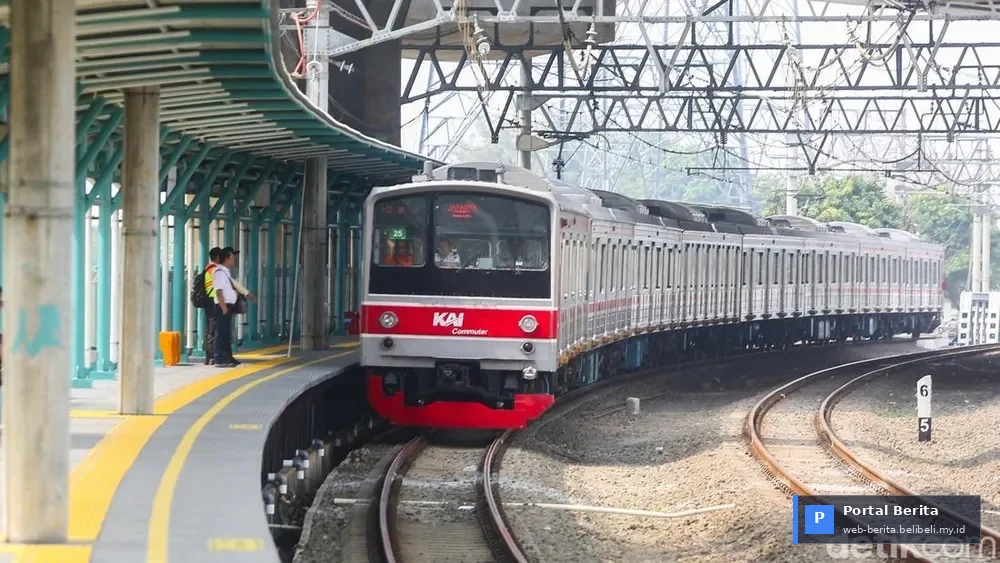
Jakarta, January 12, 2026 – Millions of Electric Commuter Train (KRL) Commuter Line users in the Greater Jakarta area and beyond can breathe a sigh of relief. The Ministry of Transportation (Kemenhub) has officially confirmed that KRL fares will remain stable with no increase throughout 2026. This decision comes as welcome news amidst global economic dynamics, reaffirming the government's commitment to maintaining the stability of essential public transportation prices for community mobility.
The announcement was delivered directly by the Director General of Railways at Kemenhub, Mr. Budi Santoso, during a press conference held in Jakarta. "We fully understand the crucial role of KRL as the backbone of urban mobility. Therefore, after thorough study and considering various economic and social aspects, the government has decided not to raise KRL fares in 2026," stated Mr. Santoso.
Full Government Support for Public Purchasing Power
The decision to maintain KRL fares is part of the government's strategy to protect public purchasing power, especially among workers and students. With stable KRL fares, daily transportation costs will not become an additional burden, allowing funds to be allocated for other essential needs.
Dr. Maya Sari, a Transport Economist from Gadjah Mada University, welcomed this move. "This is a smart strategic decision by the government. KRL fare stability not only helps millions of commuters save expenses but also contributes to macro-level inflation control efforts. When transportation costs remain low, pressure on other goods and services prices can also be minimized," explained Dr. Sari.
Sustainable Subsidies for Premium Service
To support this policy, the government will continue to allocate subsidy budgets through the Public Service Obligation (PSO) scheme to PT Kereta Commuter Indonesia (KAI Commuter). These subsidies cover the difference between actual operational costs and the fares paid by passengers, ensuring that KRL services can continue to operate with high quality standards.
"We at KAI Commuter are fully committed to continuously improving the quality of service, reliability, and comfort of KRL journeys, even without a fare increase. PSO support from the government is vital in keeping our operations optimal and allowing us to invest in infrastructure and fleet maintenance," said Mr. Agus Widodo, President Director of KAI Commuter.
Implications for Local Economic Drivers
The stability of KRL fares also has positive implications for the local economy. With predictable travel costs, workers can better plan their finances, which in turn can boost consumption and economic activity across various sectors. Furthermore, the affordability of KRL is expected to continue attracting more people to switch to public transportation, reducing urban congestion and emissions.
Despite stable fares, Kemenhub and KAI Commuter assure that service improvements will continue. Capacity expansion plans, increased travel frequency, and station modernization remain priorities to accommodate the growing number of passengers expected in the coming years.
This step highlights the government's vision to build a public transportation system that is not only efficient and modern but also inclusive and affordable for all segments of society. The decision to maintain KRL fares in 2026 is tangible proof of this commitment.
Frequently Asked Questions (FAQ)
- Q: Why are KRL fares not increasing in 2026?
A: The government decided not to increase KRL fares as an effort to maintain public purchasing power, control inflation, and support citizens' mobility with affordable public transportation. - Q: Will the quality of KRL service be affected by the lack of a fare increase?
A: No. Kemenhub and KAI Commuter affirm their commitment to continuously improve service quality, travel frequency, and comfort, supported by government subsidy allocations. - Q: Who benefits most from this decision?
A: Millions of commuters, especially workers and students who rely on KRL daily, will greatly benefit as their daily transportation costs remain stable and affordable.