🔑 Key Takeaways
- Semarang's closed-system vaname shrimp farms in 2026 have achieved over 90% water efficiency and boosted pond productivity by up to 30%.
- This modern technology significantly minimizes disease risk and environmental impact, making it a highly sustainable aquaculture solution.
- The initiative positions Semarang as a leader in aquaculture innovation, attracting investment and creating new employment opportunities.
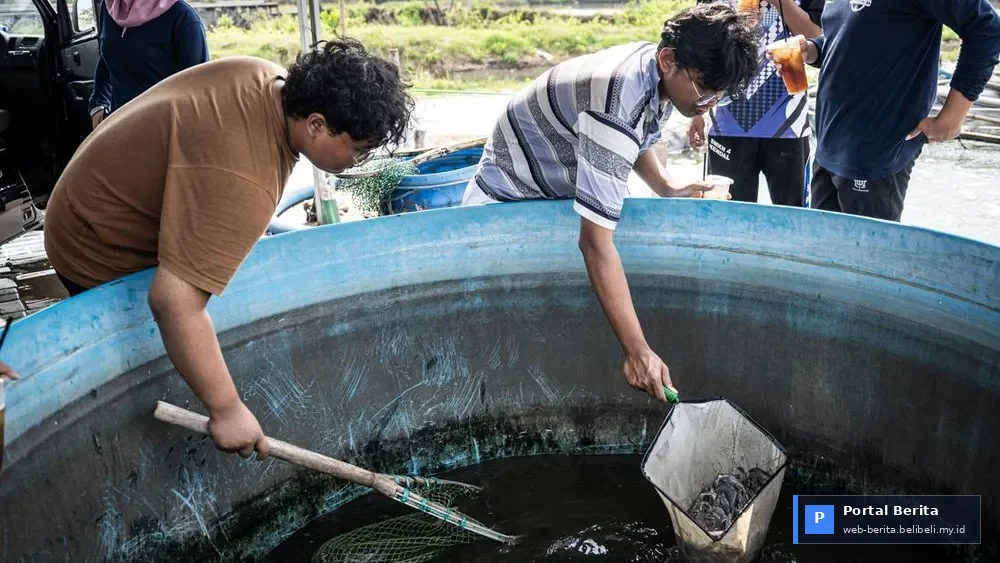
SEMARANG, 2026 – Indonesia’s aquaculture industry is witnessing a significant transformation with the introduction of modern, closed-system vaname shrimp farms within the Semarang industrial zone. This cutting-edge technology not only promises exceptional resource efficiency but also sets new benchmarks for productivity and environmental sustainability in shrimp cultivation.
The development of this closed-system vaname shrimp farming has become a major highlight in the fisheries sector. By drastically conserving water and simultaneously increasing yield per square meter, these farms represent a crucial leap forward for national food security and the maritime economy.
Unmatched Efficiency in Cultivation
One of the primary advantages of this closed-loop system is its ability to save over 90% of water compared to traditional methods. Dr. Budi Santoso, an aquaculture expert from Gadjah Mada University, explains, “In this system, water is treated and recirculated, minimizing the need for fresh water supply and reducing waste discharge into the environment. This is an intelligent response to the water scarcity and pollution challenges often faced by conventional farms.”
Beyond water savings, pond productivity has also soared. Data from the Ministry of Marine Affairs and Fisheries (KKP) indicates that closed-system vaname shrimp farms in Semarang have achieved up to 30% higher production per harvest cycle compared to open ponds. Better environmental control, including temperature, salinity, and water quality, allows shrimp to grow faster and healthier, with significantly lower mortality rates.
Comprehensive Economic and Environmental Benefits
The use of a closed system also offers an effective solution for suppressing the risk of disease outbreaks. With a controlled and isolated environment, the spread of pathogens can be minimized, thereby reducing significant financial losses for farmers. This provides greater stability for investors and businesses in the fisheries sector.
From an environmental perspective, this innovation is excellent news. “Responsible farming practices are key to the future of the fisheries industry. Closed systems reduce carbon footprint, minimize antibiotic use, and protect coastal ecosystems from the impact of farm waste,” states Ms. Kartika Wijaya, Head of the Central Java Maritime Affairs and Fisheries Agency. This aligns with Indonesia’s commitment to achieving sustainable development targets by 2030.
Semarang as an Aquaculture Innovation Hub
The presence of these modern farms in the Semarang industrial area not only positions the city as a center for vaname shrimp production but also as a hub for aquaculture technology innovation in Indonesia. This project has attracted the interest of both local and international investors, and has created new jobs for skilled workers in fishery biotechnology, water quality management, and system engineering.
With the successful implementation of this closed-system vaname shrimp cultivation technology, Semarang is expected to become a model for sustainable aquaculture development across Indonesia. The potential to boost high-quality vaname shrimp exports while preserving environmental sustainability is becoming an increasingly tangible vision in 2026.
Frequently Asked Questions
- What are the main advantages of Semarang's closed-system vaname shrimp farming?
Its main advantages include high water efficiency (over 90%), up to 30% increased productivity, and minimized disease risk and environmental impact. - How does this system contribute to environmental sustainability?
The system contributes to sustainability by reducing waste discharge, minimizing fresh water use through recirculation, and protecting coastal ecosystems from conventional pond pollution. - Does the closed-system shrimp farming require a large initial investment?
Yes, this system generally requires a larger initial investment compared to traditional ponds, but the operational efficiency and stable harvests often lead to a quicker return on investment.