🔑 Key Takeaways
- A significant increase in myopia (nearsightedness) cases in children is projected to continue in the 2026 academic year, primarily due to demanding school schedules and extensive digital device usage.
- Doctors emphasize the crucial role of parents and schools in implementing healthy habits, such as the 20-20-20 rule and increasing outdoor activities.
- Early detection through regular eye check-ups is vital to prevent long-term complications that can arise from progressive myopia.
JAKARTA, 2026 — The new academic year always brings renewed spirits, but for many parents in 2026, a growing concern looms: the increasing risk of vision problems in children. With increasingly demanding school schedules and the inevitable integration of digital technology into learning processes, eye health experts are warning of a surge in myopia (nearsightedness) cases among the pediatric population.
Since the pandemic, children's learning patterns have shifted significantly, with a drastic increase in reliance on digital screens. A recent study by the Indonesian Ophthalmologists Association (PERDAMI) in early 2026 indicates that the prevalence of myopia in primary and secondary school-aged children has risen by approximately 15-20% compared to the previous decade. Dr. Siti Aminah, Sp.M(K), a pediatric ophthalmologist from Cipto Mangunkusumo Hospital, explains that this isn't just about genetics, but primarily about modern lifestyle choices.
The Real Threat: Key Drivers of Myopia in Children
Dr. Aminah outlines several main factors contributing to the increased risk of nearsightedness in children in 2026:
- Intense Digital Screen Exposure: "The time children spend in front of laptops, tablets, or smartphones for both learning and entertainment has exceeded safe limits. This prolonged near-visual activity forces the eyes to work too hard to focus," explains Dr. Aminah.
- Lack of Outdoor Time: Natural sunlight and focusing on distant objects outdoors have been proven to have a protective effect against myopia development. "Unfortunately, in this modern era, many children prefer playing indoors. However, at least two hours of outdoor activity daily is crucial," she adds.
- Excessive Near-Work Load: Besides gadgets, reading textbooks or doing assignments at close range without breaks is also a significant contributor. Poor ergonomic learning environments, such as inadequate lighting or incorrect sitting posture, exacerbate this condition.
- Insufficient Sleep and Nutrition: Irregular sleep patterns and an unbalanced nutritional intake can also affect overall eye health, although they are not direct causes of myopia.
Long-Term Impacts and Early Detection
Myopia in children is not merely an inconvenience that can be corrected with glasses. Progressive myopia, a condition where nearsightedness continuously worsens, can increase the risk of serious complications later in life, such as glaucoma, cataracts, retinal detachment, and even blindness. Therefore, early detection and appropriate intervention are paramount.
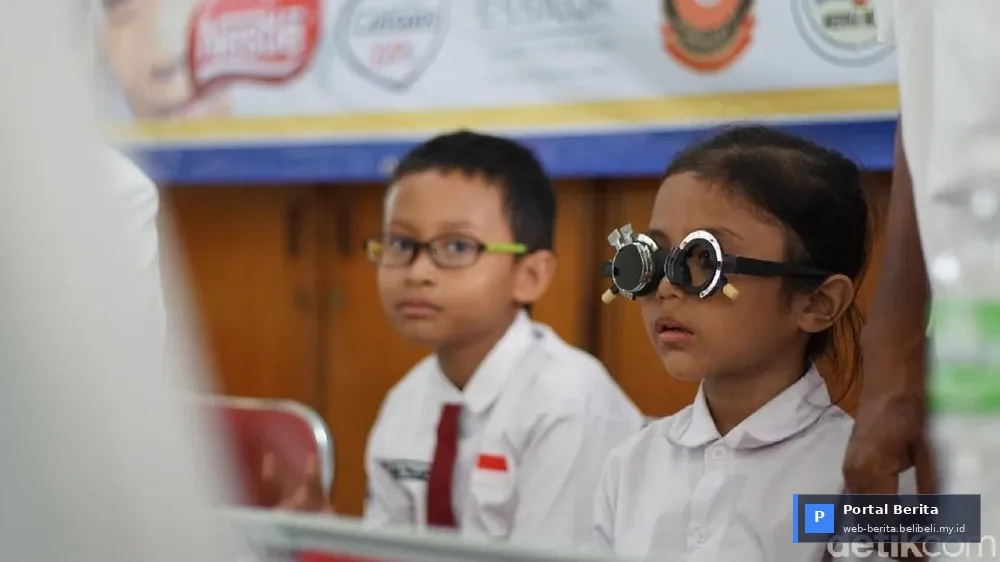
"Every child should undergo a comprehensive eye examination at least once a year, especially during pre-school and early school years. Parents often don't realize their children have myopia because the child doesn't complain. They might just move closer to the TV or books without us noticing," says Dr. Aminah.
Preventive Solutions: Active Role of Parents and Schools
Preventing myopia or slowing its progression requires a multi-faceted approach from families and educational institutions:
- Implement the 20-20-20 Rule: Teach children to shift their gaze from the screen every 20 minutes, looking at an object 20 feet (about 6 meters) away for 20 seconds. This helps rest the eye muscles.
- Prioritize Outdoor Time: Encourage children to play, exercise, or simply spend time outdoors for at least 1-2 hours per day.
- Limit Recreational Screen Time: Set clear time limits for gadget use outside of learning necessities. For children under 6, screen time should be severely limited or avoided altogether.
- Optimize Study Ergonomics: Ensure the child's desk and chair are appropriate for their height, lighting is sufficient and not directly glaring, and the viewing distance to books or screens is about 30-45 cm.
- School Involvement: Schools are expected to integrate eye breaks into lesson schedules, encourage outdoor physical activities, and implement responsible gadget usage policies.
The 2026 academic year serves as a critical moment for all of us to be more vigilant about our children's eye health. With proper education and consistent preventive actions, we can protect the vision of the next generation from the escalating threat of myopia.
FAQ: Frequently Asked Questions About Children's Eye Health
Q1: What is myopia and how can it be detected in children?
A1: Myopia, or nearsightedness, is a vision condition where distant objects appear blurry while close objects are clear. In children, symptoms can include moving closer to the TV/books, squinting, complaining of headaches, or a decline in academic performance. The best detection method is a routine eye examination by a specialist doctor.
Q2: How much screen time is safe for children per day?
A2: Recommendations vary by age. For children aged 2-5, ideally less than 1 hour per day with supervision. For ages 6-12, limit recreational screen time to 1-2 hours outside of learning needs. Ensure regular breaks and avoid use before bedtime.
Q3: When should my child have their first eye exam?
A3: Ideally, children should have their first comprehensive eye exam at 6 months of age, then at 3 years old, and annually or biennially thereafter, especially before starting primary school. If there's a family history of myopia or any concerns, exams should be more frequent.