🔑 Key Takeaways
- Indonesia's government is pushing for national milk self-sufficiency by 2026.
- Increased farmer productivity through modern technology adoption and training programs is a core focus.
- Strategic partnerships between dairy farmers and processors are being strengthened to ensure absorption and quality of local production.
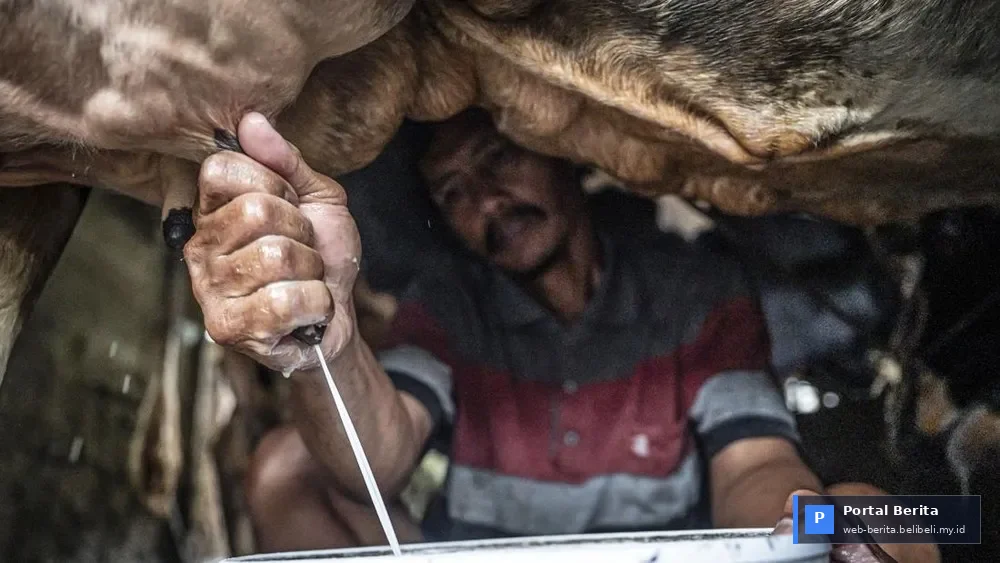
JAKARTA, 2026 – The Indonesian government has reaffirmed its unwavering commitment to achieving national milk self-sufficiency by 2026, significantly stepping up efforts to boost the local dairy cattle farming sector. This strategic initiative centers on enhancing farmer productivity and strengthening partnerships between industry players, a crucial move aimed at reducing import dependency and securing the availability of nutritious food for the population.
Boosting Farmer Productivity Through Innovation
Over the past year, various intensive programs have been rolled out to empower dairy farmers across the archipelago. 'We can no longer solely rely on traditional methods,' stated Dr. Ir. Budi Santoso, Director-General of Livestock and Animal Health at the Ministry of Agriculture, at an industry forum earlier this year. 'In 2026, our focus is on integrating digital technology, genetic improvement, and sustainable feed management practices. Our farmers are food heroes, and we must equip them with the best tools.'
These programs include training in the adoption of Internet of Things (IoT) technology for monitoring cattle health and productivity, the use of superior dairy cattle breeds developed through artificial insemination, and education on efficient local feed formulations. Furthermore, access to affordable financing and special loan facilities for farmers has been expanded, enabling them to invest in modern equipment such as automated milking machines and small-scale milk chilling systems.
Industry Partnerships: The Backbone of Sustainability
Another critical aspect of the government's strategy is the strengthening of partnerships between farmers and large dairy processing industries. Through the 'Farmer-Industry Contract' scheme, dairy processing companies are mandated to provide purchase guarantees for fresh milk from local farmers at competitive and stable prices. 'These partnerships are vital,' commented Ms. Kartika Dewi, CEO of PT Susu Jaya Nasional, a major player in the dairy industry. 'They not only ensure a stable supply of quality raw materials for us but also provide market certainty and incentives for farmers to invest and improve their product quality.'
These partnerships also encompass knowledge transfer regarding stringent quality and sanitation standards, as well as the provision of infrastructure such as milk chilling units in production centers. It is hoped that, with this synergy, the quality of local milk will become increasingly competitive and meet international standards, potentially opening up export opportunities in the future.
Economic and Social Impact
The push for the local dairy sector is expected to yield significant dual impacts. Economically, this initiative is projected to create thousands of new jobs in rural areas, ranging from farmers to feed experts and technology operators. A reduction in milk imports will also substantially save the nation's foreign exchange reserves. Socially, the increase in local milk production will contribute to improved community nutrition, especially for children, with fresher and more affordable dairy products.
'In 2026, we are on the right track to transform our dairy farming landscape,' Dr. Budi Santoso concluded. 'This is not just about production numbers; it's about national self-reliance and the welfare of our farmers.'
Frequently Asked Questions (FAQ)
Q: What is the main target of this program in 2026?
A: The main target is to achieve national milk self-sufficiency to reduce reliance on imported products.
Q: How is the government supporting increased farmer productivity?
A: Support is provided through training programs for technology adoption (IoT), provision of superior genetics, efficient feed education, and easy access to financing.
Q: What role do industrial partnerships play in this effort?
A: Industrial partnerships ensure guaranteed purchase of milk from local farmers, transfer of quality standard knowledge, and provision of milk collection infrastructure.