🔑 Key Takeaways
- The 'bediding' phenomenon has returned to Java in 2026, causing temperatures in several regions, especially highlands, to plummet dramatically, nearing freezing point.
- Areas like the Dieng Plateau and mountainous regions in East Java reported the lowest temperatures, raising health concerns for vulnerable residents.
- The government and health authorities urge the public to take preventative measures, including wearing warm clothing, ensuring nutritional intake, and being aware of the risk of respiratory illnesses and hypothermia.
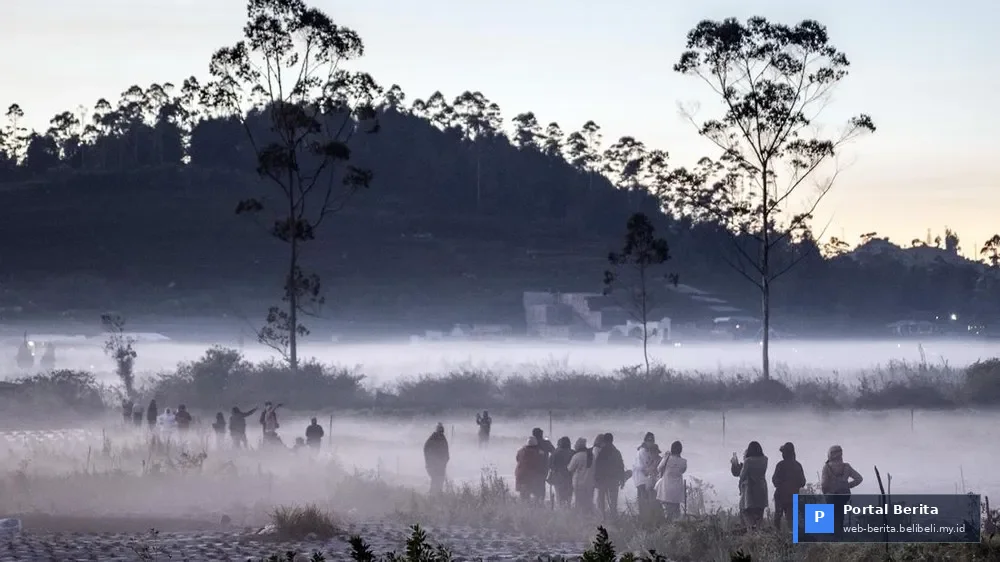
JAKARTA, 2026 – Java Island is once again facing extreme weather challenges with the intense arrival of the 'bediding' phenomenon in mid-2026. This drastic drop in temperature has altered daily life across various regions, with some areas reporting conditions close to freezing, prompting health warnings and adaptive measures from the community.
The Meteorology, Climatology, and Geophysics Agency (BMKG) explains that 'bediding' is a period when air temperatures significantly decrease, especially from night until morning. "This year, the intensity of 'bediding' is influenced by a stronger movement of cold air masses from Australia, exacerbated by dry atmospheric conditions. This causes heat release from the Earth's surface into the atmosphere to be very efficient," said Dr. Sari Widya, a senior climatologist from BMKG, in an early June press conference.
Most Affected Regions: Dieng Freezes Over
According to BMKG monitoring and citizen reports, the Dieng Plateau in Central Java is one of the regions most affected by 'bediding'. Temperatures there reportedly reached 0 degrees Celsius in the early morning, creating a thin layer of ice known as 'embun upas' (dew frost) on plants and water surfaces. "This is not new for us, but this year's cold feels more piercing. We have to be extra careful protecting children and the elderly," said Mrs. Nurjanah, a potato farmer in Dieng.
Besides Dieng, mountainous regions in East Java such as the Bromo-Tengger-Semeru area and Greater Malang also reported temperatures far below average. Batu City, known for its cool climate, is now experiencing shivering nights, requiring residents to prepare better.
Health Impacts and Prevention
The extreme drop in temperature carries serious health risks. The Ministry of Health of the Republic of Indonesia has issued an appeal to the public, especially in affected areas, to increase vigilance. "The risk of hypothermia, acute respiratory infections (ARIs) like flu and coughs, and exacerbations of chronic conditions such as asthma and rheumatism increases sharply," explained Dr. Budi Santoso, Director of Disease Prevention and Control at the Ministry of Health.
To minimize risks, Dr. Budi recommends several proactive steps:
- Layered Clothing: Wear thick clothing, scarves, hats, and gloves, especially when active outdoors or while sleeping.
- Nutritional Intake: Consume a balanced, nutritious diet, increase fruit and vegetable intake, and drink warm water regularly to maintain body temperature.
- Stay Active: Engage in light indoor physical activities to help maintain blood circulation and body temperature.
- Care for Vulnerable Groups: Ensure children, the elderly, and individuals with chronic diseases receive extra protection and access to healthcare services if needed.
- Avoid Direct Exposure: Limit time outdoors, especially during the coldest hours of the early morning.
Long-Term Anticipation
Local governments, together with BMKG and the Ministry of Health, continue to monitor weather developments and their impacts. Health posts have been established at several strategic points, and the distribution of blankets and other logistical aid is being arranged for residents in need.
The 2026 'bediding' phenomenon serves as a reminder of the importance of preparedness in facing climate change and its impact on public health. Education and adaptation are key to ensuring the well-being of citizens amidst extreme weather challenges.
Frequently Asked Questions
- What is the 'bediding' phenomenon?
- The 'bediding' phenomenon is a weather condition where air temperatures, especially from night until morning, drop sharply due to the movement of cold air masses and dry atmospheric conditions, commonly occurring on Java Island.
- Which areas in Java are most affected by 'bediding' in 2026?
- In 2026, the Dieng Plateau in Central Java and mountainous regions in East Java such as Bromo-Tengger-Semeru and Greater Malang are the areas most experiencing extreme temperature drops.
- How can one protect themselves from the health impacts of 'bediding'?
- Wear layered clothing, consume warm, nutritious food and drinks, stay active, pay attention to vulnerable groups, and limit direct exposure to extreme cold temperatures to prevent hypothermia and ARIs.