🔑 Key Takeaways
- Indonesia's national rice stock in early 2026 stands impressively at over 5 million tons, signaling a robust and sustained food surplus.
- Minister of Agriculture Andi Amran Sulaiman announced a strategic deal to export 10,000 tons of premium Indonesian rice to Singapore.
- This move solidifies Indonesia's role as a regional food security pillar and opens doors for broader export market opportunities amidst the global economic dynamics of 2026.
The year 2026 marks a new era for Indonesia's agricultural sector, with remarkable achievements in food self-sufficiency and global market penetration. The Ministry of Agriculture of the Republic of Indonesia, under the leadership of Minister Andi Amran Sulaiman, announced a strategic move to export 10,000 tons of premium rice to Singapore. This decision comes amidst confirmation of a very abundant national rice stock, recorded at over 5 million tons early this year, asserting Indonesia's position as a key player in regional food security.
Food Self-Sufficiency and Impressive National Surplus
The achievement of over 5 million tons in rice stock by early 2026 is the result of sustained agricultural intensification programs and the adoption of modern technologies implemented over the past few years. Government policies focused on increasing farmer productivity, efficient irrigation, and the use of superior seeds have proven to yield significant results. This is not just a number, but a reflection of robust food resilience amidst global climate challenges and food market volatility.
Professor Dr. Agr. Siti Nurmala, an agro-economy expert from Gadjah Mada University, stated, 'This abundant stock is proof of the success of sustainable agricultural policies and adaptation to climate change. It's not just about quantity, but also the quality and resilience of our food system, which has been increasingly tested in 2026.'
Singapore: A Gateway for Premium Indonesian Rice Exports
The agreement to export 10,000 tons of rice to Singapore is more than just a commercial transaction. It is a strategic diplomatic and economic step that opens doors for Indonesian agricultural products to a wider international market. Singapore, as a leading trade and logistics hub in Southeast Asia, will serve as a showcase for the quality of Indonesian rice.
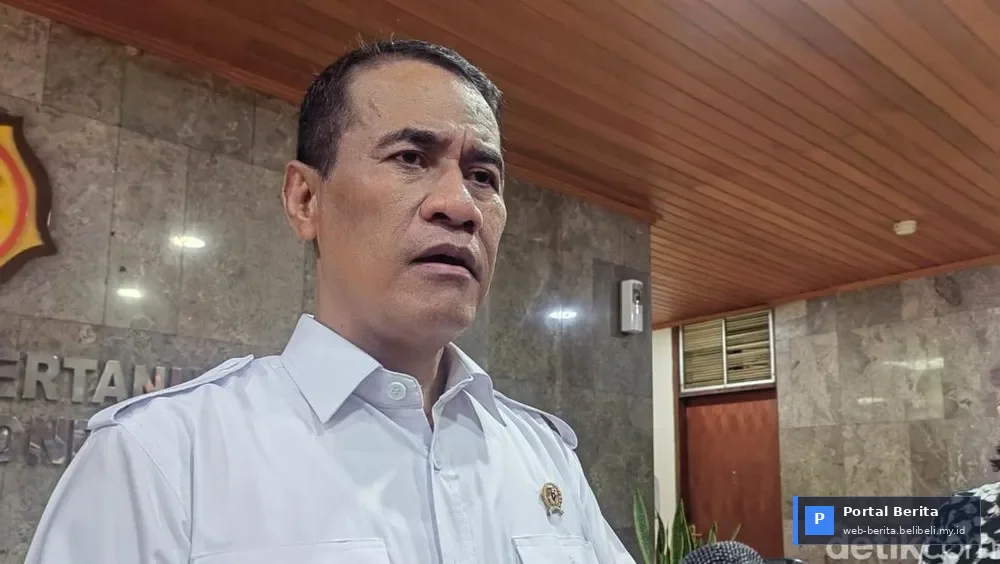
Minister of Agriculture Andi Amran Sulaiman asserted, 'We are not only ensuring food availability domestically but also seeing significant opportunities to contribute to regional food security. The export of 10,000 tons of rice to Singapore is a significant initial step to broaden the market reach of our agricultural products, demonstrating that Indonesian rice possesses globally competitive quality.'
The exported rice is of a premium variety, selected based on strict international quality standards, reflecting Indonesia's commitment to providing the best products. The first shipment is expected in the second quarter of 2026, with potential for increased volume in the future.
Economic Impact and Regional Geopolitical Standing
This export initiative brings dual positive impacts. Economically, diversifying national revenue sources through agricultural exports will reduce dependence on traditional commodities and improve farmer welfare. Geopolitically, it strengthens Indonesia's position as a food security pillar in Southeast Asia, a crucial role amidst global uncertainties.
Dr. Rizal Ramli, an economist and international trade observer, added, 'This is a strategic move. Singapore is a crucial trade hub, and opening the market there will send a positive signal to investors and other nations to view Indonesia as a reliable food supplier in 2026. It also diversifies national income beyond traditional commodities.'
Future Vision: Sustainable Exports and Agricultural Innovation
The Ministry of Agriculture is not stopping at exports to Singapore. Long-term plans involve increasing production capacity, research and development of superior and climate-resilient rice varieties, and expansion into other potential markets in Asia, the Middle East, and Africa. Investments in precision agriculture technology and smart farming are also being boosted to ensure the sustainability and efficiency of this sector.
The government's vision is to make Indonesia not only food self-sufficient but also a 'world food barn' in the future, with premium rice exports as one of its main pillars. This 2026 agreement with Singapore is a significant leap towards realizing that vision.
Frequently Asked Questions About Indonesian Rice Exports
- Q: Why is the rice export to Singapore significant news in 2026?
A: This export signifies Indonesia's commitment to not only meet domestic needs but also actively contribute to regional food security, while diversifying national revenue amidst a sustained rice surplus. - Q: What is Indonesia's national rice stock in early 2026?
A: Indonesia's national rice stock in early 2026 is reported to exceed 5 million tons, indicating a significant surplus and robust food self-sufficiency. - Q: Are there plans to expand Indonesian rice exports to other countries?
A: Yes, the Ministry of Agriculture is exploring market opportunities in various other countries across Asia and the Middle East, focusing on premium rice and high-value agricultural products.