🔑 Key Takeaways
- Spain is bracing for its third major heatwave of 2026, with temperatures projected to hit a scorching 45°C in various regions.
- The national meteorological agency (AEMET) has issued red alerts, emphasizing severe health risks, particularly for vulnerable groups like children, the elderly, and those with chronic conditions.
- Government and health authorities urge residents to follow protective guidelines, including optimal hydration and limiting outdoor activities during peak heat hours.
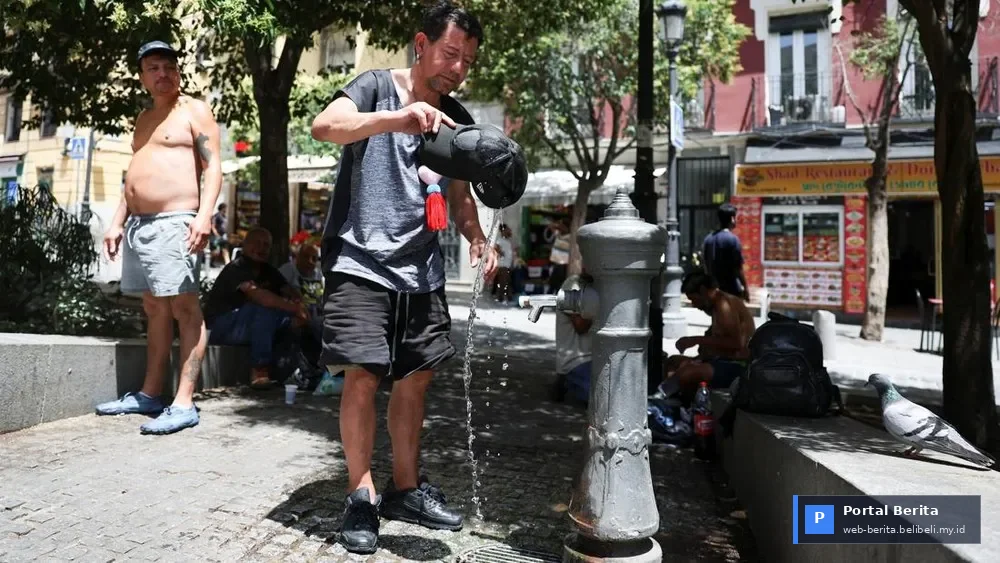
MADRID, Spain – The year 2026 continues to present extreme climate challenges for Southern Europe, and Spain is once again at the forefront. The nation is preparing for its third intense heatwave, with temperatures expected to soar back up to 45 degrees Celsius across various regions, sparking serious concerns for public health and critical infrastructure.
Spain's National Meteorological Agency (AEMET) has issued red alerts for several areas, signaling extreme risk due to the exceptionally high temperatures. This warning comes amidst global concerns about the increasing frequency and intensity of heatwaves observed annually.
Widespread Health Threats
Extreme temperatures like 45°C are more than just an inconvenience; they pose a tangible health threat. “Heatwaves of this magnitude are extremely dangerous, especially for vulnerable populations,” states Dr. Elena Ramirez, Head of the Climate and Public Health Studies Center at the University of Madrid. “Dehydration, heatstroke, and heat exhaustion can set in rapidly, even in healthy individuals if precautions aren't taken. We are seeing a significant rise in heat-related hospital visits during these periods.”
The most at-risk groups include the elderly, young children, individuals with chronic medical conditions such as heart or respiratory diseases, and outdoor workers. AEMET and the Spanish Ministry of Health have strongly urged the public to adopt stringent preventative measures.
Prevention and Adaptation Measures
The Spanish government has activated emergency health protocols, establishing cooling centers in major cities and increasing hospital capacities. Public education remains a critical component of these mitigation efforts.
“It is absolutely crucial to stay well-hydrated by drinking plenty of water, avoiding direct sun exposure during peak hours, and seeking out shaded or air-conditioned environments,” explains Dr. Miguel Torres, a public health specialist from the Ministry of Health. “Wearing loose, light-colored clothing and limiting strenuous outdoor physical activity between 12 PM and 5 PM are simple yet vital steps that can save lives.”
Beyond human impact, these heatwaves also place immense pressure on the agricultural sector, water supplies, and power grids. Prolonged drought conditions can exacerbate water crises and threaten crop yields, potentially impacting the national economy.
Spain's Climate Future
The recurring heatwave phenomena in 2026 indicate a troubling climatic trend. Climate scientists continue to call for more decisive global action on climate change, with local adaptation becoming increasingly imperative. Spain, with its geography susceptible to desertification and drought, is investing in long-term solutions such as water-efficient irrigation systems, greener urban infrastructure, and renewable energy sources.
While adaptation efforts are ongoing, the immediate focus remains on ensuring the safety and well-being of all Spanish residents amidst this blazing heatwave. Citizens are advised to remain vigilant and follow all instructions from authorities.
❓ Frequently Asked Questions
1. What are the main symptoms of heatstroke to watch out for?
Key symptoms include severe headache, nausea, red and dry skin, high body temperature (above 40°C or 104°F), confusion, and loss of consciousness. Seek immediate medical attention if these symptoms occur.
2. How can I protect myself when traveling or working outdoors?
Limit time outdoors, wear loose-fitting clothing and a wide-brimmed hat, apply sunscreen, and drink water regularly. Take frequent breaks in shaded or air-conditioned areas.
3. Is this heatwave a new phenomenon for Spain?
Not entirely new, but its frequency, intensity, and duration have significantly increased in recent years, aligning with broader global climate change trends.