🔑 Key Takeaways
- Palembang City Government continues its free TB screening and health check program, reaching thousands of citizens throughout 2026.
- This initiative is crucial for early detection of infectious diseases like TB and chronic conditions, reducing future healthcare burdens.
- The program not only provides screenings but also comprehensive education on healthy lifestyles, nutrition, and personal hygiene, empowering communities to maintain their health independently.
PALEMBANG, October 10, 2026 – The Palembang City Government's ongoing commitment to enhancing public health is once again evident through the successful free Tuberculosis (TB) screening and health check program. Throughout 2026, thousands of residents from various sub-districts have actively participated, demonstrating a collective awareness of the importance of early detection and healthy living.
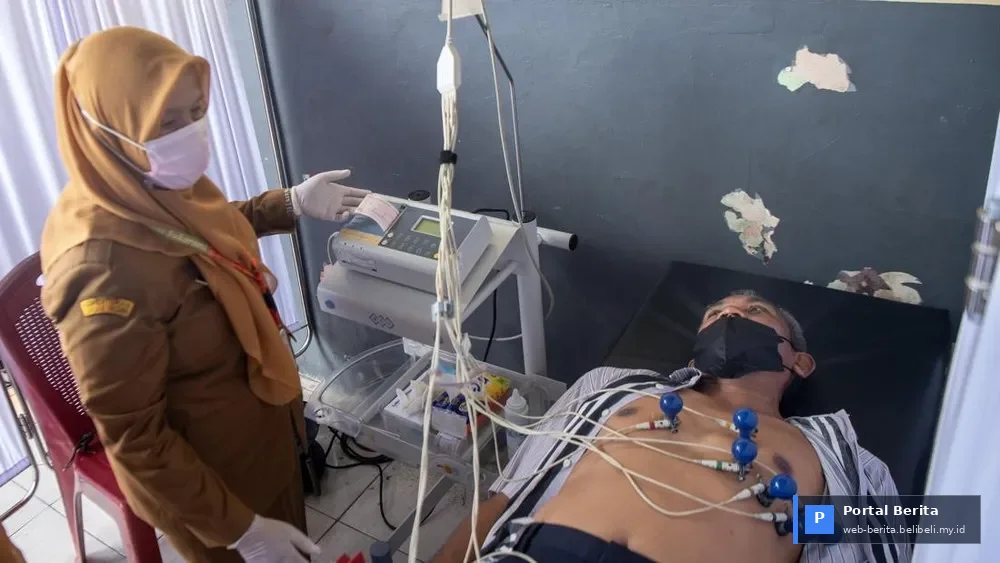
This strategic initiative, championed by the Palembang City Health Office in collaboration with various non-governmental organizations and local health facilities, aims to identify potential diseases early. While the primary focus is on TB, a disease that remains a serious concern in Indonesia, the program also includes blood pressure, blood sugar, cholesterol checks, and nutritional consultations.
Benefits of Early Detection and Prevention
Dr. Siti Rahayu, Head of the Palembang City Health Office, emphasized the program's significance. "In 2026, we have seen tremendous enthusiasm from the community. Early detection is key, especially for TB. By finding cases sooner, we can not only save the individual but also prevent transmission to wider family members and the community," she stated in an interview. "This is a long-term investment in Palembang's collective health."
Program participants receive free basic examinations that are often difficult for some community members to access due to cost or time constraints. Furthermore, they also receive direct education from professional medical personnel on the importance of a balanced diet, regular physical activity, personal hygiene, and stress management. These educational sessions are designed to be easily understood and applicable in daily life.
Positive Impact on Communities
Marni (48), a participant from Ilir Timur I District, expressed her gratitude. "I've wanted to get a health check for a long time but kept postponing it. This free program is very helpful. I found out my blood pressure was a bit high and immediately received advice on diet management," she said. "The education about TB was also very clear; now I understand more."
The program also serves as an effective platform to campaign for the importance of updated vaccinations and immunizations, aligning with the national health agenda. The Palembang City Government is committed to continuing and expanding the reach of similar programs in the future, even with the potential integration of digital technology for patient registration and follow-ups, consistent with global health trends in 2026.
With this proactive approach, Palembang is not only addressing existing health issues but also building the foundation for a stronger, more resilient community in the future. The success of this program is a tangible example of how collaboration between government, medical professionals, and the community can create significant positive impacts.
❓ Frequently Asked Questions
- What is the main goal of the free health screening program in Palembang?
The primary goal is to detect diseases such as TB, hypertension, and diabetes early, and to provide healthy lifestyle education to the community, thereby preventing serious complications and reducing future healthcare burdens. - What specific diseases are covered in these free screenings?
The program includes screenings for Tuberculosis (TB), blood pressure checks, blood sugar, cholesterol, and also provides nutritional consultations. - How can residents participate in this program in the future?
Residents can monitor announcements from the Palembang City Health Office or local health facilities regarding program schedules and locations. Registration is typically done directly on-site or through a digital registration system if available.