- Free TB screening and health check programs have expanded for residents in karst industrial zones in 2026, targeting early detection of respiratory diseases.
- This initiative is crucial for mitigating long-term health risks from silica dust and fine particulate exposure due to industrial activities.
- Collaboration between government, industry, and communities is key to sustaining efforts in safeguarding environmental and public health.
Crucial Early Detection: Enhanced Health Protection for Karst Industrial Zone Residents
In 2026, free tuberculosis (TB) screening and general health check-up programs have been significantly scaled up across various karst-based industrial regions in Indonesia. This proactive measure aims to shield residents from potential health threats posed by continuous industrial dust exposure. Karst areas, rich in mineral deposits like limestone, are often hubs for mining and cement industries, creating respiratory disease risks for nearby populations.
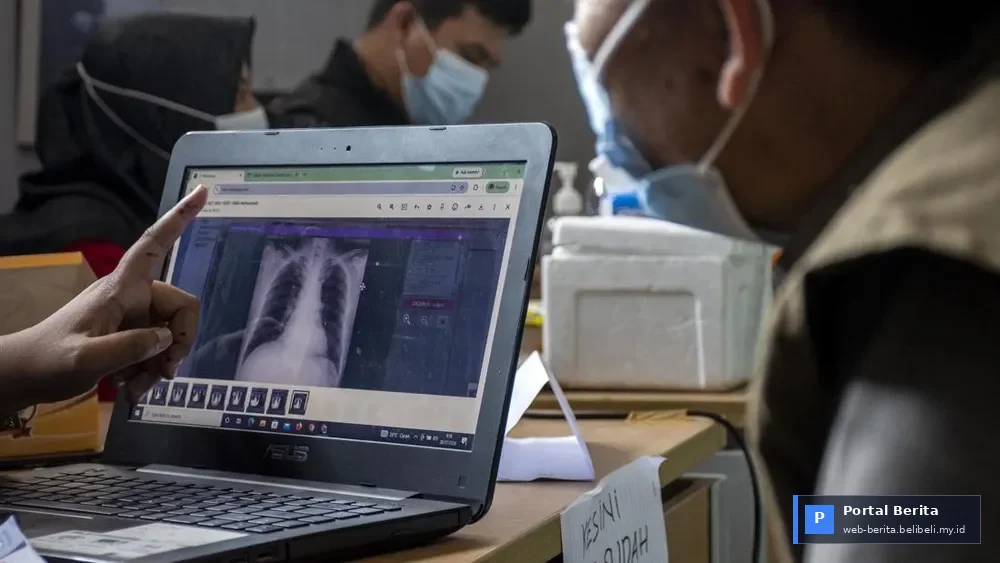
The initiative focuses on the early detection of lung diseases and other health conditions that may arise from exposure to fine dust particles, including crystalline silica, which is known to trigger serious conditions like silicosis and exacerbate TB risk. The program encompasses lung function tests, sputum tests for TB, and general medical consultations, providing a comprehensive overview of the community's respiratory health.
Industrial Dust Threats and Community Response
“Exposure to industrial dust, especially silica, has long been a primary concern for public health in and around mining sites and factories,” stated Dr. Amira Wijaya, an environmental health expert from the Ministry of Health. “With increasingly sophisticated screening technologies and broader community outreach in 2026, we can identify cases earlier, provide timely interventions, and prevent severe complications. This is a vital investment in our citizens' long-term quality of life.”
Residents living near heavy industrial operations, such as limestone quarrying or cement manufacturing, face a high risk of inhaling microscopic particles that can damage the lungs over time. Diseases like TB, exacerbated by weakened respiratory systems, and other chronic lung conditions can severely impact daily life and productivity. This free screening program is designed to alleviate the burden of such diseases and raise awareness about safe occupational health practices and environmental considerations.
Multi-Stakeholder Collaboration Towards Sustainable Health
The success of this program hinges on close collaboration between local governments, industrial companies operating in these areas, and civil society organizations. Corporations are increasingly encouraged to integrate their corporate social responsibility (CSR) into public health initiatives, not just through funding but also active participation in education and logistics. “We are seeing increased commitment from the private sector to support public health efforts. It's not just about compliance, but about building authentic partnerships to create healthier environments for all,” added Mr. Budi Santoso, Regional Public Health Program Coordinator.
By focusing on health education, the distribution of adequate personal protective equipment (PPE), and regular air quality monitoring, Indonesia aims for a significant reduction in the incidence of dust-related respiratory diseases in karst industrial areas by the end of this decade. The 2026 screening program is a significant step forward towards a healthier, more sustainable future for these vulnerable communities.
Frequently Asked Questions (FAQ)
1. What are karst dust-related respiratory diseases?
Karst dust-related respiratory diseases are lung conditions caused by inhaling fine dust particles, primarily crystalline silica, originating from mining or industrial activities in limestone (karst) regions. These include silicosis, chronic bronchitis, and an increased risk of tuberculosis.
2. Who is most at risk of industrial dust exposure in karst areas?
Miners, cement factory workers, and residents living near mining sites or factories in karst regions are among the highest-risk groups due to continuous dust exposure.
3. How will this screening and health check program be sustained?
The program's sustainability is supported by partnerships between local governments, industrial companies through CSR initiatives, and health organizations. This involves ongoing funding, capacity building for local healthcare providers, and community education for healthy lifestyle adoption and prevention.