🔑 Key Takeaways
- Vitamin B complex is crucial for energy metabolism, nerve function, and cellular health, playing vital roles for high-risk groups.
- Pregnant individuals, the elderly, vegetarians/vegans, and those with high-stress lifestyles are primary groups often requiring additional Vitamin B complex intake.
- Identify deficiency symptoms and consult a healthcare professional before starting supplementation to ensure proper dosage and avoid interactions.
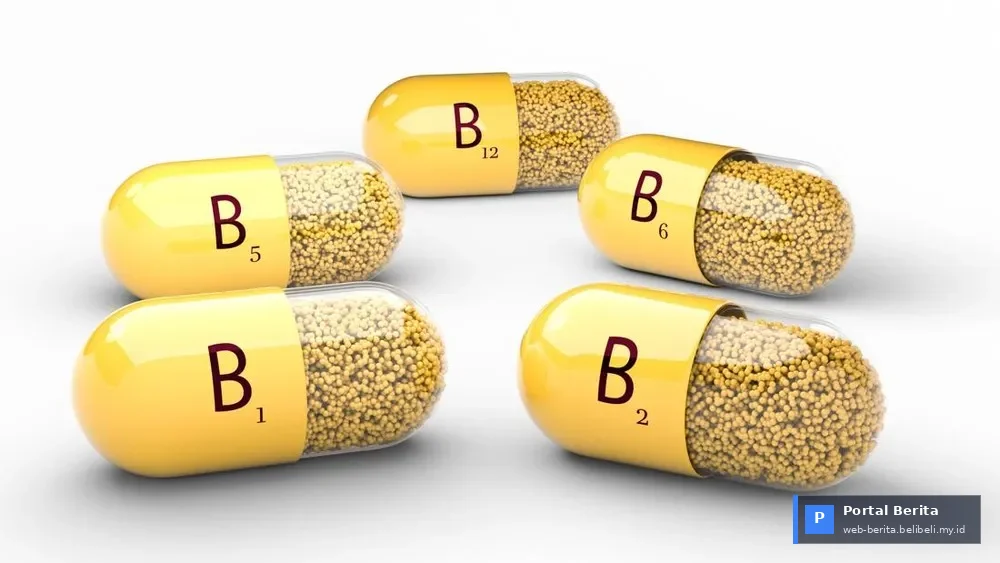
Amidst the fast pace of modern life and evolving health demands in 2026, the role of the vitamin B complex is increasingly highlighted as a vital pillar for overall well-being. This group of eight essential water-soluble vitamins — B1 (thiamine), B2 (riboflavin), B3 (niacin), B5 (pantothenic acid), B6 (pyridoxine), B7 (biotin), B9 (folate), and B12 (cobalamin) — works synergistically to support a myriad of crucial biological functions.
From converting food into energy to maintaining healthy red blood cells and nerve function, the contribution of B vitamins is undeniable. But the question remains: who truly needs to pay extra attention to their vitamin B complex intake in this era of personalized health?
Why is Vitamin B Complex So Important?
B vitamins act as cofactors in hundreds of enzymatic reactions within the body. They play critical roles in energy production processes, DNA synthesis, cell repair, and even in the formation of neurotransmitters that influence mood and cognitive function. A deficiency in one or more B vitamins can lead to a range of symptoms, from fatigue and digestive issues to neurological disturbances.
Pregnant and Breastfeeding Individuals: Supporting Two Generations
For pregnant and breastfeeding individuals, the need for vitamin B complex significantly increases. Folate (B9) is a key component vital for preventing neural tube defects in the fetus and is often recommended even before conception. Vitamin B6 helps alleviate morning sickness, while B12 supports the baby's brain and nervous system development. “In 2026, comprehensive prenatal supplements, including the full vitamin B complex, are the gold standard for every expectant parent,” states Dr. Anisa Rahma, a leading clinical nutritionist.
The Elderly: Absorption Challenges and Cognitive Function
As we age, the body tends to become less efficient at absorbing nutrients, including B vitamins. A deficiency in vitamin B12, in particular, is a serious concern for the elderly as it can lead to anemia, neurological disorders, and a decline in cognitive function that is sometimes mistakenly attributed to natural aging. Reduced B12 absorption is often linked to decreased stomach acid and the use of certain medications common in this population.
Vegetarians and Vegans: The Missing Animal Sources
One of the biggest challenges for individuals following strict vegetarian or vegan diets is getting enough vitamin B12. This vitamin is almost exclusively found in animal products such as meat, fish, eggs, and dairy. Without careful dietary planning or supplementation, B12 deficiency is a real risk that can lead to irreversible nerve damage. B12 supplements or B12-fortified foods are a necessity for this group.
High-Stress Lifestyles and Physical Demands
Individuals with very active lifestyles, high-stress levels, or those who engage in intensive exercise may also require more vitamin B complex. B vitamins play a crucial role in energy metabolism, helping the body cope with physical and mental stress. When the body is under pressure, the demand for these vitamins to support energy production and nerve function can increase.
Recognizing Deficiency Symptoms
Symptoms of vitamin B complex deficiency vary depending on the specific vitamin lacking, but some common signs include: extreme fatigue, muscle weakness, numbness or tingling in hands and feet, depression, irritability, difficulty concentrating, and digestive issues. If you experience these symptoms, it's important to consult a doctor or nutritionist for proper diagnosis and management.
Supplements or Food?
Natural food sources of vitamin B complex include whole grains, lean meats, fish, eggs, dairy products, leafy green vegetables, and legumes. However, for the high-risk groups mentioned above, supplementation is often recommended to ensure adequate intake. Always choose supplements from reputable brands and follow recommended dosages, or even better, as advised by a healthcare professional.
Frequently Asked Questions About Vitamin B Complex
- Should everyone take a vitamin B complex supplement?
- Not everyone needs supplements. People consuming a balanced diet typically get enough B vitamins. Supplements are more recommended for high-risk groups like pregnant individuals, the elderly, vegans, or those with certain medical conditions.
- Can I overdose on B vitamins?
- B vitamins are water-soluble, meaning excess amounts are typically excreted through urine. However, very high doses of specific B vitamins (like B6 and niacin) can cause side effects. It's important not to exceed recommended dosages without medical supervision.
- What's the difference between B complex and just vitamin B12?
- A B complex supplement contains all eight essential B vitamins, whereas a B12-only supplement contains only cobalamin. B12 supplements are generally recommended for individuals specifically deficient in B12 (e.g., vegans or elderly with poor absorption), while B complex provides broader nutritional support.