🔑 Key Takeaways
- As of 2026, millions of Indonesian online motorcycle taxi (Ojol) drivers are officially recognized by the government as micro-entrepreneurs.
- This new status unlocks access for Ojol drivers to government capital assistance programs, entrepreneurship training, and social security protection.
- The policy is expected to enhance driver welfare, provide legal certainty, and strengthen the national digital Micro, Small, and Medium Enterprises (MSME) ecosystem.
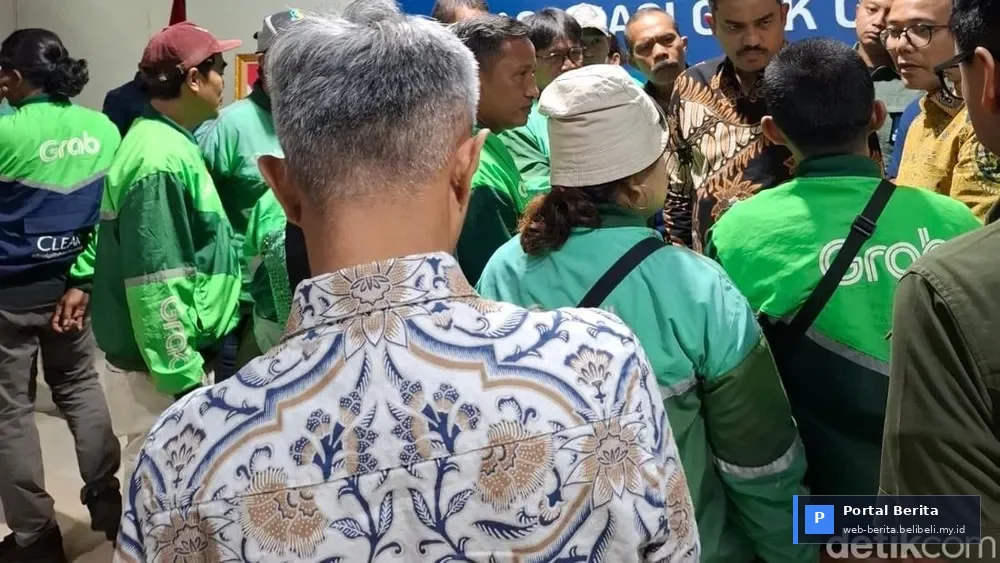
JAKARTA – A significant transformation has swept through Indonesia's digital economy sector in early 2026, with the official classification of online motorcycle taxi (Ojol) drivers as micro-entrepreneurs by the Ministry of Cooperatives and Small and Medium Enterprises (KemenKopUKM). This decision marks a new era for millions of gig workers who have long operated on the fringes of the formal and informal sectors, promising improved welfare and greater recognition.
This recognition of status is the culmination of lengthy discussions and advocacy efforts from various parties to provide protection and access to facilities for Ojol drivers. With this new status, they are no longer merely seen as platform partners but as independent economic entities contributing significantly to the national Gross Domestic Product (GDP).
Open Access to Government Support
One of the most crucial benefits of micro-entrepreneur status is the opening of access to various government support programs. According to Budi Santoso, Deputy for Micro Business at KemenKopUKM, “This is a progressive step to integrate millions of gig workers into the formal economy, providing them with a safety net and viable business development opportunities. Ojol drivers are now entitled to access low-interest People's Business Credit (KUR), entrepreneurship training, and simpler micro-business licensing facilities.”
Furthermore, this status also makes it easier for Ojol drivers to register for social security programs, such as BPJS Ketenagakerjaan (Employment Social Security) and BPJS Kesehatan (Health Social Security), which previously might have been hindered by their unconventional employment status. “We estimate that around 3.5 million Ojol drivers across Indonesia will gradually benefit from this policy throughout 2026,” Santoso added during a recent press conference.
Positive Impact on the Digital Economic Ecosystem
This policy is seen as a game-changer for Indonesia's digital economic ecosystem. Dr. Citra Dewi, an economist from Universitas Maju, argues that this recognition not only enhances the dignity of drivers but also strengthens Indonesia's MSME database. “With more accurate data, the government can design more targeted policy interventions for this rapidly growing digital economy sector. This also encourages innovation and competitiveness among micro-entrepreneurs,” explained Dr. Citra.
From the perspective of application platforms, although drivers remain independent partners, this policy is expected to foster closer collaboration with the government to ensure effective implementation. Platforms can play a role in socializing programs and facilitating driver registration to access available benefits.
Challenges and Future Hopes
Despite being positively received, implementation challenges persist. Accurate verification and data collection for millions of drivers will require strong inter-agency coordination. Andi Wijaya, Chairman of the National Online Driver Association (ADON), voiced his hopes. “We welcome this policy. Our hope is that its implementation is smooth and its benefits are directly felt by fellow drivers across Indonesia, without cumbersome bureaucracy. Extensive socialization and continuous mentorship are greatly needed.”
The government has expressed its commitment to continuously monitor the implementation of this policy and make adjustments if necessary. With this step, Indonesia solidifies its position as a progressive nation in recognizing and supporting gig economy workers, setting a new standard for welfare and economic inclusion in the digital era.
Frequently Asked Questions
Q: What are the main benefits of micro-entrepreneur status for Ojol drivers?
A: Drivers now gain access to low-cost People's Business Credit (KUR), free entrepreneurship training programs, and social security protection (BPJS Ketenagakerjaan and Kesehatan) which were previously difficult to access independently.
Q: Does this new status change the employment relationship between drivers and platform applications?
A: Legally, drivers remain independent partners with application platforms. However, recognition as micro-enterprises provides a stronger legal basis for drivers to receive government rights and support as economic actors, without altering the partnership model.
Q: When did this policy become fully effective, and how can drivers register?
A: This policy has been effective since the beginning of 2026. Drivers can register through an integrated online system on the KemenKopUKM portal or via socialization and registration programs facilitated by local governments and driver associations across Indonesia.