🔑 Key Takeaways
- Experiences of 'seeing' or 'feeling' ghosts in 2026 are increasingly understood through a scientific lens, not a mystical one.
- Various neurological and psychological conditions such as sleep paralysis, hypnagogic hallucinations, or even specific medical conditions can trigger these unusual perceptions.
- It is crucial to consult a medical professional if these experiences are distressing, as there are scientific explanations and effective treatments available.
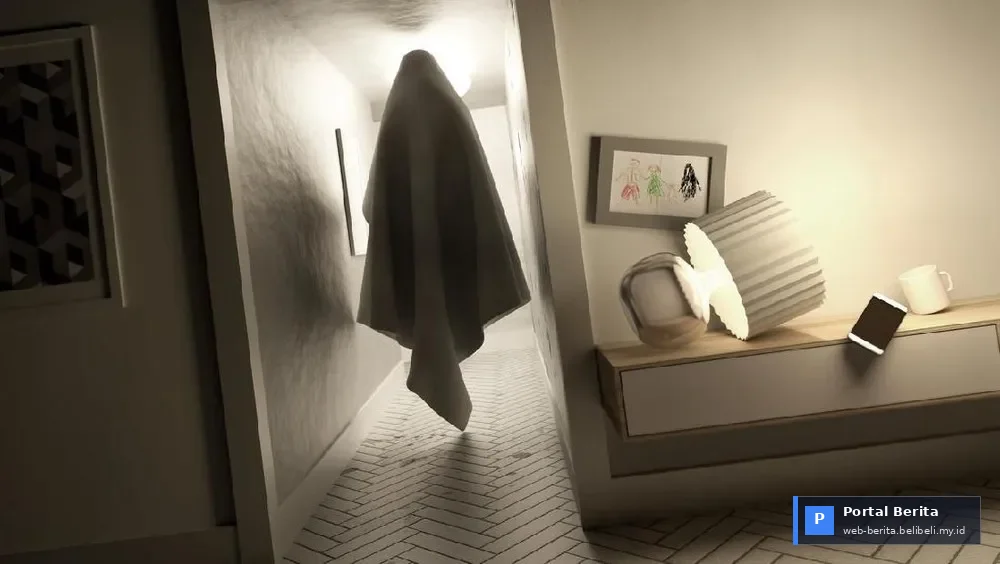
In this advanced era of 2026, many phenomena once attributed to the mystical world are now being increasingly illuminated by science. One such experience is seeing or sensing the presence of 'ghosts'. Neurologists and psychologists affirm that most, if not all, of these 'sightings' are rooted in the complex functions of the human brain, rather than supernatural entities.
“Our brain's patterns are incredibly adept at finding meaning and filling in informational gaps,” states Dr. Aisha Rahman, a leading cognitive neurologist from Gadjah Mada University, during the 2026 Asia Pacific Neurology conference. “When we are stressed, sleep-deprived, or even experiencing certain medical conditions, the brain can interpret stimuli into something that feels profoundly real, even if it isn't actually there.”
When the Brain Interprets Reality Differently
The human brain is a master interpreter. It constantly processes millions of sensory data points from the environment and constructs our perception of reality. However, sometimes, this mechanism can go slightly 'awry'. Phenomena like pareidolia (seeing patterns or faces in random objects) and apophenia (seeing connections between unrelated things) are examples of how our brains tend to seek structure and meaning, even when none exists.
Dr. Rahman adds, “A moving shadow in the corner of your eye, an indistinct sound at night, or even a sudden sensation of cold can be interpreted by a tired or anxious brain as evidence of another presence, especially if an individual already holds certain beliefs or expectations.”
Medical and Psychological Causes Behind 'Ghost' Perceptions
There are several medical and psychological conditions that have long been known to trigger experiences often described as 'ghostly encounters':
- Sleep Paralysis: This condition occurs when someone wakes up but cannot move, often accompanied by intense and terrifying visual, auditory, or tactile hallucinations, such as feeling a 'presence' or seeing 'dark figures'. This is a normal physiological response that arises from a disjunct between REM sleep and wakefulness.
- Hypnagogic and Hypnopompic Hallucinations: Visual, auditory, or sensory hallucinations that occur as one is falling asleep (hypnagogic) or waking up (hypnopompic). These sensations can be incredibly vivid and feel real, often involving the appearance of faces or figures.
- Neurological Conditions: Certain conditions like temporal lobe epilepsy, aura migraines, or even some types of dementia can cause complex hallucinations that are misinterpreted as paranormal experiences. Fluctuations in brain chemistry also play a significant role.
- Psychological Factors: Extreme stress, profound grief, trauma, anxiety, and depression can increase an individual's susceptibility to unusual perceptions. A distressed brain may be more prone to processing information inaccurately.
- Environmental Factors: Exposure to certain infrasound frequencies (sounds below the threshold of human hearing) can induce feelings of anxiety, coldness, or a sense of presence. Undetected carbon monoxide poisoning can also lead to hallucinations and paranoia.
Expert Outlook in 2026: Diagnosis and Management
With advancements in neuroimaging and a clearer understanding of brain neurochemistry, health professionals in 2026 can now more accurately diagnose the underlying causes of these 'paranormal' experiences. “If someone frequently experiences unexplained hallucinations or sensations, the first step is to consult a general practitioner who can refer them to a neurologist or psychiatrist,” advises Dr. Adi Santoso, a clinical psychologist focusing on mental health in Jakarta.
“A thorough physical examination, blood tests, and sometimes brain scans like MRI or EEG, can help rule out medical causes. If the cause is psychological, therapies such as Cognitive Behavioral Therapy (CBT) or interventions to manage stress and trauma can be highly effective,” he adds. Dr. Santoso emphasizes that understanding the scientific mechanisms behind these experiences can bring peace of mind and empower individuals to seek appropriate help.
Through a more sophisticated scientific approach, 2026 leads us to the understanding that the mystery of 'ghosts' is often a complex manifestation of our own brains, waiting to be unraveled with reason and science.
❓ Frequently Asked Questions
Can all 'ghostly' experiences be explained scientifically?
Most experiences perceived as "ghosts" have strong scientific explanations, either from a neurological or psychological perspective, including hallucinations, sleep paralysis, or medical conditions.When should I seek medical help if I frequently experience 'sightings'?
You should seek medical help if these experiences are frequent, cause distress, disrupt your sleep, or negatively impact your quality of life. A doctor can help rule out serious medical causes.Can brain conditions cause someone to see very real visual hallucinations?
Yes, certain neurological conditions such as temporal lobe epilepsy, aura migraines, or specific sleep disorders can trigger very vivid and real-feeling visual and sensory hallucinations.