🔑 Key Takeaways
- Liver disease often begins with subtle symptoms easily mistaken for mild conditions, delaying crucial diagnosis.
- Recognizing 7 early signs like persistent fatigue and skin changes is key for early detection and effective intervention in 2026.
- Healthy lifestyle choices, regular screenings, and prompt medical consultation for suspicious symptoms can prevent serious complications.
In the digital health era of 2026, awareness of critical medical conditions continues to grow. Yet, one life-threatening disease whose symptoms are still frequently misunderstood, even by educated individuals, is liver disease. Our liver is an irreplaceable metabolic hub, performing over 500 vital functions from detoxification to protein production. When its function is impaired, the impact can be widespread and potentially fatal if not addressed promptly.
Often, the early signs of liver damage are so subtle that they are easily dismissed as ordinary fatigue, a common cold, or minor digestive issues. Dr. Alya Rachman, a leading hepatologist at the National Liver Medical Center in Indonesia, explains, “One of the biggest challenges in managing liver disease is the lack of awareness regarding early symptoms. Patients often present when the disease has reached advanced stages, where treatment options become more limited.”
Why Early Detection is Crucial in 2026
With rapid medical advancements, early detection in 2026 offers a significantly greater chance of recovery. From innovative drug therapies to non-invasive procedures, early intervention can halt disease progression and even reverse some damage. However, if left untreated, liver disease can advance to cirrhosis, liver failure, or liver cancer, necessitating transplantation or palliative care.
7 Early Symptoms of Liver Disease Often Missed
Be vigilant for the following signs that may indicate impaired liver function, especially if they appear persistently or worsen:
- Chronic Fatigue and Weakness: More than just feeling sleepy, this is a profound tiredness that doesn't improve with rest and can disrupt daily activities. An optimally functioning liver struggles to process energy and eliminate toxins.
- Nausea and Changes in Appetite: Unexplained nausea, particularly in the mornings, or a significant loss of appetite can be a warning sign. This is because the liver has difficulty producing bile for fat digestion.
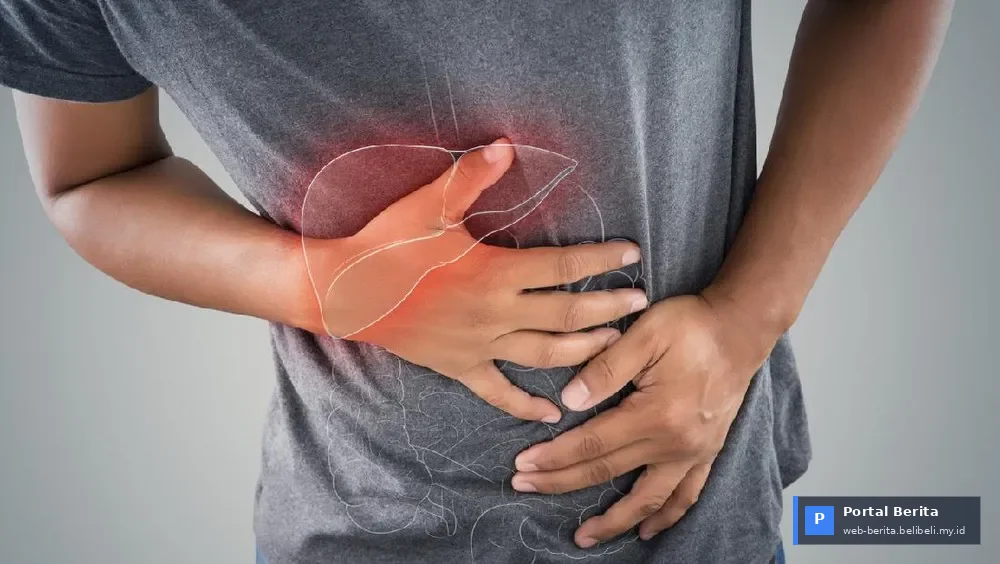
- Pain or Discomfort in the Upper Right Abdomen: The liver is located in the upper right quadrant of the abdomen. A dull ache, swelling, or pressure in this area could indicate inflammation or an enlarged liver.
- Changes in Skin and Eye Color (Jaundice): Yellowing of the skin and the whites of the eyes is one of the clearest symptoms, indicating a buildup of bilirubin because the liver cannot process it effectively.
- Dark Urine and Pale Stools: Very dark urine, like strong tea, and light-colored stools (like clay) suggest problems with bilirubin excretion or fat absorption.
- Itchy Skin and Easy Bruising: A troubled liver can lead to a buildup of bile salts under the skin, triggering severe itching. Additionally, a damaged liver struggles to produce blood-clotting proteins, making the body prone to bruising.
- Swelling in the Legs and Ankles (Edema): A diseased liver may not produce enough albumin, a protein that helps keep fluid within blood vessels. A lack of albumin causes fluid to leak into tissues, especially in the lower body.
Diverse Causes and Prevention
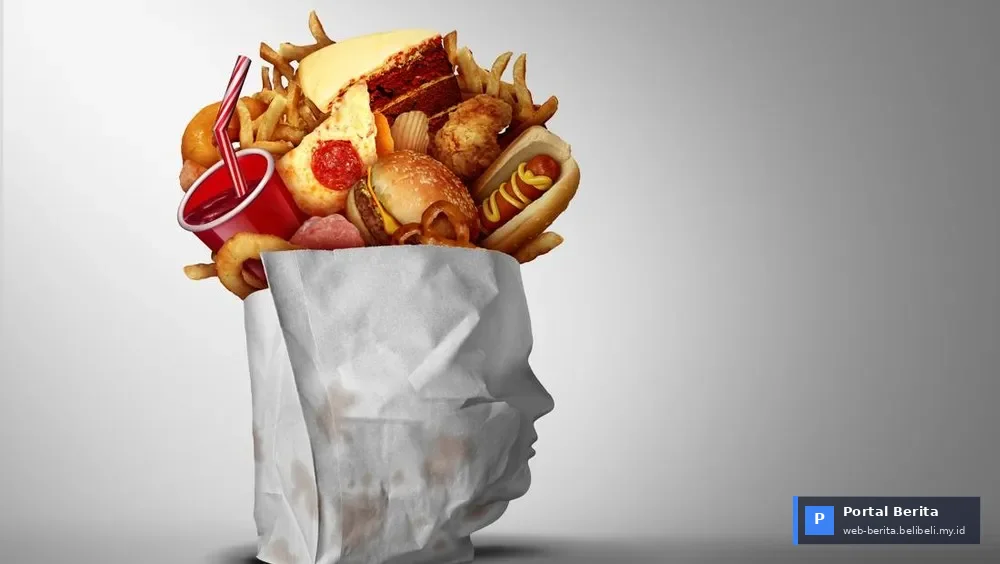
The causes of liver disease are highly varied, ranging from viral infections (Hepatitis B and C), excessive alcohol consumption, non-alcoholic fatty liver disease (NAFLD) often linked to obesity and diabetes, to genetic and autoimmune conditions. “In 2026, NAFLD is a serious concern due to inactive modern lifestyles and diets high in sugar and fat,” adds Dr. Rachman.
Prevention is key. Maintaining an ideal body weight, limiting alcohol intake, managing diabetes and cholesterol, and Hepatitis B vaccination are crucial steps. Never ignore the symptoms mentioned above. Consult a doctor immediately for accurate diagnosis and appropriate treatment.
Frequently Asked Questions About Liver Disease
Can liver disease be cured?
Some types of liver disease, such as acute hepatitis or early-stage fatty liver disease, can be cured or effectively managed if detected early. However, severe liver damage like cirrhosis is generally not fully reversible, although its progression can be slowed.
What lifestyle factors pose the highest risk for liver disease?
Lifestyles involving excessive alcohol consumption, diets high in saturated fats and sugar, lack of physical activity (contributing to obesity and diabetes), and exposure to hepatitis viruses without vaccination are major risk factors.
When should I immediately see a doctor if I suspect liver disease?
You should seek immediate medical attention if you experience a combination of symptoms such as unusual extreme fatigue, persistent upper right abdominal pain, yellowing of the skin and eyes, dark urine, or swelling in the legs. Early detection is critical.