🔑 Key Takeaways
- An essential medical supply warehouse in Deir al-Balah, Gaza, has reportedly been destroyed by an Israeli strike, exacerbating the ongoing humanitarian crisis in 2026.
- The damage compromises critical supplies for thousands of patients in already struggling hospitals, including life-saving medications and surgical equipment.
- International bodies and humanitarian organizations are demanding immediate protection for medical infrastructure and unimpeded access for aid.
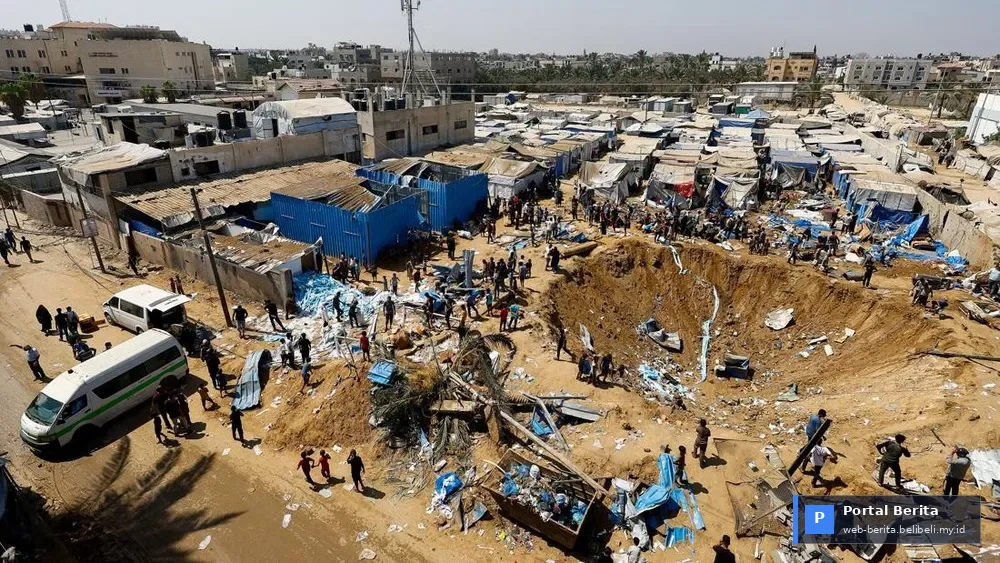
Deir al-Balah, Central Gaza – A vital medical supply storage facility in Deir al-Balah, Gaza Strip, has reportedly sustained severe damage following an Israeli strike. The incident, occurring in early 2026, annihilated crucial supplies intended for hospitals and clinics across the besieged territory, raising grave concerns about the continuation of healthcare services amidst a deepening humanitarian crisis.
The warehouse, which served as a primary distribution hub for medicines, surgical equipment, and first-aid provisions, is now in ruins. Local authorities confirmed that much-needed supplies for thousands of patients have been destroyed, including consumables for routine procedures and critical life-saving drugs essential for chronic conditions.
Immediate Impact on an Already Fragile Health System
The destruction of this warehouse represents a devastating blow to Gaza's already strained health system. Reports from various humanitarian agencies throughout 2026 continue to highlight the dire conditions in Gaza's hospitals, which operate at limited capacity, facing severe staff shortages and dwindling supplies. Dr. Lena Hassan, a medical coordinator for a local NGO in Gaza, expressed profound concern.
"This is a total catastrophe," Dr. Hassan stated in a press release. "We are already battling to keep dialysis units, operating theaters, and emergency wards functioning. The loss of supplies from the Deir al-Balah warehouse means we will see more preventable suffering, and potentially deaths, that could have been avoided. It's not just about supplies; it's about patient hope."
International Calls for Protection and Access
In the wake of the incident, international bodies, including the UN Office for the Coordination of Humanitarian Affairs (OCHA) and the World Health Organization (WHO), have renewed their calls for the protection of civilian and medical infrastructure in accordance with international humanitarian law. They emphasized that medical facilities and their supplies must not be targets, and unimpeded access for humanitarian aid must be guaranteed.
A UN spokesperson in Geneva commented, "Any strike on medical infrastructure is a grave violation and undermines our ability to provide life-saving assistance. In 2026, humanitarian needs in Gaza are at an all-time high, and incidents like this only exacerbate the situation." Urgent appeals were made to all parties to respect and protect humanitarian workers and facilities critical for civilian survival.
Uncertain Future for Gaza's Healthcare
The destruction of the medical warehouse in Deir al-Balah raises serious questions about Gaza's capacity to cope with future health challenges. With supplies annihilated and supply chains disrupted, the rehabilitation of the health system will require colossal efforts and sustained commitment from the international community. Experts warn that without swift action and effective protection, the risk of disease outbreaks and increased mortality from treatable conditions will escalate significantly in the coming years.
FAQ
What was damaged in the Deir al-Balah strike?
A critical medical supply warehouse in Deir al-Balah, Gaza, was severely damaged, destroying essential supplies for hospitals and clinics.
What is the immediate impact of this damage on Gaza's healthcare?
The damage exacerbates severe medical supply shortages, threatening hospitals' ability to provide basic and life-saving care to thousands of patients.
What are international organizations calling for regarding this incident?
International organizations are calling for the immediate protection of medical facilities and civilian infrastructure, as well as unimpeded access for humanitarian aid in accordance with international law.