🔑 Key Takeaways
- Iraq and Syria have officially agreed to reactivate a long-dormant strategic oil pipeline, connecting Iraq's Kirkuk oilfields to Syria's Baniyas port.
- The decision comes in direct response to escalating geopolitical tensions and shipping risks in the Strait of Hormuz in 2026, prompting a search for safer, alternative export routes.
- This project is expected to enhance regional energy resilience, provide vital revenue streams for both nations, and offer diversification to global oil supplies amidst ongoing uncertainty.
Baghdad, January 27, 2026 – In a significant move highlighting the urgency of energy diversification amidst increasing global uncertainties, Iraq and Syria have officially agreed and commenced the process of reactivating an old oil pipeline connecting Iraq's strategic Kirkuk oilfields in the north to Syria's Baniyas port on the Mediterranean coast. This agreement comes as tensions in the Strait of Hormuz reach new highs in early 2026, compelling oil-producing nations to seek more secure and reliable export routes.
Escalating Risks in the Strait of Hormuz as a Primary Catalyst
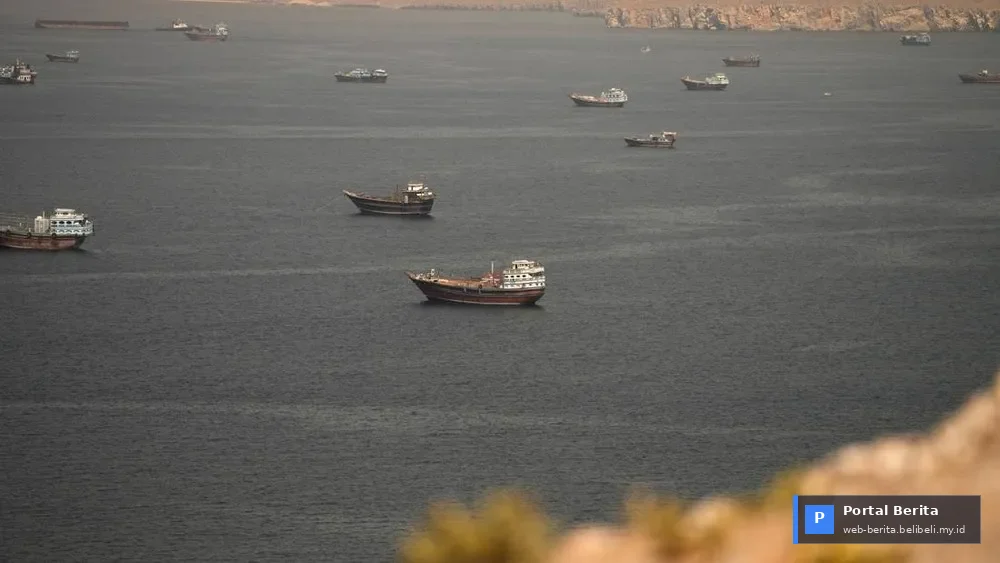
The Strait of Hormuz, a vital artery for a third of the world's oil supply, has become an increasingly unstable geopolitical flashpoint in 2026. Security incidents involving tankers, surging maritime insurance costs, and threats to shipping lanes in the Gulf waters have compelled oil exporters to re-evaluate their reliance on this single route. “The uncertainty in Hormuz is no longer a hypothetical threat; it's a costly, daily operational reality,” states Dr. Aisha Rahman, a senior energy analyst at Qatar University. “For Iraq, whose vast majority of oil exports pass through the Gulf, finding alternatives is a strategic and economic imperative.”
The Kirkuk-Baniyas pipeline, largely dormant since the early 2000s and severely damaged during the Syrian conflict, is now being viewed as a potential lifeline. Technical teams from both nations have been working diligently over the past several months to assess its viability and initiate preliminary repairs.
Far-Reaching Economic and Geopolitical Benefits
For Iraq, the reactivation of this pipeline offers an additional oil export route that can reduce its dependence on southern export facilities. This not only provides logistical flexibility but also enhances the resilience of the nation's revenue. “This is a crucial step to safeguard our oil exports from regional volatility,” commented a senior official from Iraq's Ministry of Oil during a Baghdad press conference. “We are targeting an initial capacity of 300,000 barrels per day by the end of this year, with potential for further expansion.”
Syria stands to gain significantly through transit revenues and infrastructure repair fees. The project is expected to inject vital funds into its struggling economy and support reconstruction efforts. Furthermore, more stable access to Iraqi crude supplies could help address Syria's domestic energy shortages.
From a global perspective, the revitalized pipeline offers much-needed diversification in the oil supply landscape. While its initial capacity may not drastically alter global markets, it sends a strong signal about risk mitigation efforts and could contribute to long-term price stability. “Every barrel of oil that can move out of a more stable region is a win for global supply security,” Dr. Rahman elaborated.
Challenges Ahead: Security and Financing
Despite high optimism, the project is not without its challenges. Security along the pipeline's route, especially in areas previously affected by conflict, remains a primary concern. Financing for major repairs and capacity upgrades will also require sustained commitment from both governments and potential foreign investment. However, the strong political consensus and urgent strategic need in 2026 appear to be driving progress forward.
Frequently Asked Questions
What is the Kirkuk-Baniyas pipeline?
It's a crude oil pipeline stretching from Iraq's northern Kirkuk oilfields to Syria's Baniyas port on the Mediterranean coast, currently undergoing reactivation.
Why are Iraq and Syria reactivating it now?
The pipeline is being reactivated in 2026 in response to escalating geopolitical tensions and increased shipping risks in the Strait of Hormuz, prompting Iraq to seek safer, alternative oil export routes.
How does this impact the global oil market?
While initial capacity may not be drastic, it offers vital supply diversification and could contribute to long-term global oil price stability by reducing reliance on a single route in the Gulf.