🔑 Key Takeaways
- A recent earthquake in Flores, NTT, has caused significant damage to key port infrastructures like Labuan Bajo, Maumere, and Ende, disrupting logistics and tourism flows.
- The Indonesian government, in collaboration with state-owned port enterprises and the private sector, has launched an aggressive, multi-trillion rupiah reconstruction plan to restore and modernize the ports swiftly in 2026.
- The recovery of port infrastructure is expected not only to restore economic connectivity but also to unlock new investment opportunities, particularly in the maritime and sustainable tourism sectors, bolstering regional economic growth.
Flores, East Nusa Tenggara—The year 2026 marks a period of extensive reconstruction and recovery efforts across Flores, following a devastating earthquake that struck the region late last year. The focus is now on the detailed damage sustained by vital ports, which serve as the economic arteries of the region, and the government's ambitious plans to restore them. This damage has not only affected logistics and supply chains but also threatened the burgeoning tourism sector.
Scale of Port Damage and 2026 Reconstruction Priorities
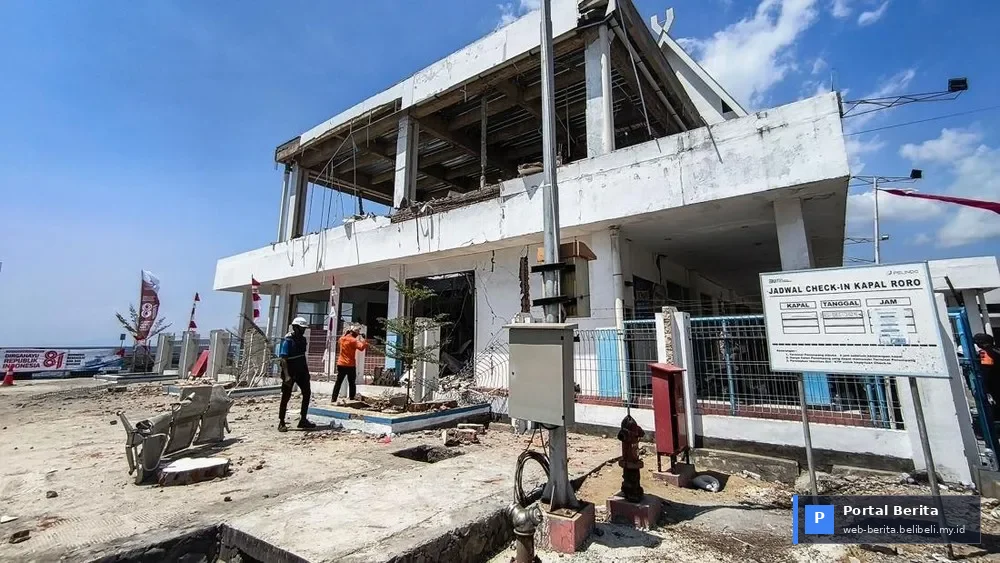
A comprehensive assessment completed in early 2026 has revealed varied but significant damage across several key ports. Labuan Bajo Port, the primary gateway to Komodo National Park, sustained damage to its passenger docks and cargo facilities. Structural cracks were found in several sections of the quays, and storage warehouses showed severe damage. “Initial data indicates that the damage in Labuan Bajo is indeed substantial, particularly in areas supporting tourism activities and the loading/unloading of vital goods,” stated Dr. Lestari Widyanti, Head of Data and Information Center at the National Disaster Management Agency (BNPB), during a mid-January 2026 press conference.
Maumere and Ende Ports, crucial for the distribution of essential goods and agricultural products, were also affected. Damage to access roads, supporting facilities, and some cargo handling equipment has forced ship rerouting, causing delays and increased operational costs. The Indonesian Ministry of Transportation has established reconstruction priorities, focusing on restoring minimal operational functionality as quickly as possible, followed by enhancing capacity and infrastructure resilience in subsequent phases.
Short-Term Economic Impact and Business Recovery Prospects
Port damage has directly hit businesses in Flores. Small and medium-sized enterprises relying on supplies from outside the island face shortages and price increases. The local fishing sector struggles to distribute its catches. Most notably, the tourism industry has been significantly impacted. With disrupted sea access, tourist visits to Labuan Bajo and surrounding destinations have sharply declined. “Disruption to the ports is a severe blow to our tourism economy. Many tour operators, hotels, and SMEs have lost significant revenue. Port recovery is a vital key to bringing our economic pulse back,” said Ms. Rina Kusuma, Chairperson of the Flores Tourism Entrepreneurs Association.
Amidst the challenges, however, opportunities for recovery and modernization have emerged. The government has allocated a significant special budget for reconstruction, estimated to be trillions of rupiah. These funds are designated not only for repairs but also for rebuilding to higher standards, adopting earthquake-resistant technologies and more efficient facilities. PT Pelabuhan Indonesia (Pelindo), the state-owned port operator, has also expressed its long-term investment commitment.
Rapid Reconstruction Plans and the 2026 Economic Outlook
The reconstruction plan for 2026 is focused on three phases. The first phase involves emergency repairs to restore basic operational capacity, targeted for completion by the second quarter of 2026. The second phase entails more comprehensive structural repairs and upgrades, expected to be completed by year-end. Finally, the third phase will focus on modernization and the construction of additional facilities to support Flores' future economic growth.
“We are working diligently to ensure that Flores' ports not only resume operations but also become stronger and more modern than before. This is an opportunity to build more resilient and sustainable maritime infrastructure, which will support Flores' vision as a tourism and logistics gateway in Eastern Indonesia,” stated Mr. Arya Dwiputra, Director General of Sea Transportation at the Ministry of Transportation, during a panel discussion on infrastructure investment in March 2026. Economic projections indicate that with this accelerated reconstruction, Flores is expected to show significant signs of recovery in the second half of 2026, with the tourism and trade sectors regaining momentum.
❓ Frequently Asked Questions (FAQ)
What was the primary impact of the earthquake on Flores NTT ports?
The primary impact was structural damage to docks, warehouses, cargo handling facilities, and access roads, disrupting logistics, trade, and tourism activities across the region.How long is the estimated timeline for port reconstruction?
The government aims for emergency repairs to be completed by Q2 2026, with comprehensive structural repairs finished by late 2026, and a modernization phase continuing thereafter.How will port reconstruction affect Flores' local economy?
Reconstruction is expected to restore and even enhance logistics and tourism connectivity, unlocking new investment opportunities, creating jobs, and driving stronger, more sustainable regional economic growth.