🔑 Key Takeaways
- The National Nutrition Agency (BGN) has officially warned students to consume Free Nutritious Meals (MBG) no more than 4 hours after preparation to avoid the risk of food poisoning.
- This 4-hour limit is crucial as it represents the optimal window for harmful bacteria to proliferate, especially under improper storage conditions.
- Parents, students, and schools are encouraged to adhere to these guidelines as part of a collective effort to maintain food safety and the health of young generations in 2026.
JAKARTA, 2026 – The National Nutrition Agency (BGN) has once again issued a firm warning to all students across Indonesia to adhere to the strict consumption time limit for their Free Nutritious Meals (MBG). In an updated official statement at the beginning of the 2026 academic year, BGN emphasized that MBG must be consumed no more than 4 hours after being cooked. This advisory is a crucial step in preventing widespread cases of food poisoning in schools that can occur if this rule is ignored.
The MBG program, which has become a nutritional backbone for millions of students nationwide, demands serious attention to food safety aspects. “We’ve seen an increase in awareness, but there are still gaps that need to be closed,” stated Dr. Citra Dewi, Head of BGN's Food Safety Division. “Four hours is the limit we’ve set based on scientific research and bacterial growth patterns in cooked food. Exceeding this limit significantly increases the risk of contamination and potential poisoning.”
Why is the 4-Hour Limit So Crucial?
The 4-hour time limit is not an arbitrary figure. According to BGN, this timeframe is the 'danger zone' for food, especially high-protein items like meat, poultry, eggs, and dairy products. At room temperatures between 5°C and 60°C (41°F and 140°F), pathogenic bacteria such as Staphylococcus aureus, Bacillus cereus, and Clostridium perfringens can multiply very rapidly. Even small amounts of bacteria can produce toxins that cannot be eliminated even if the food is reheated.
“Symptoms of food poisoning can vary from mild nausea, vomiting, diarrhea, to high fever and severe dehydration requiring emergency medical attention,” explained Dr. Ahmad Rifai, an independent clinical nutritionist. “For children, whose immune systems are still developing, the risk of complications can be far more serious. Prevention is key, and that begins with timely consumption.”
Impact on the Free Nutritious Meals Program
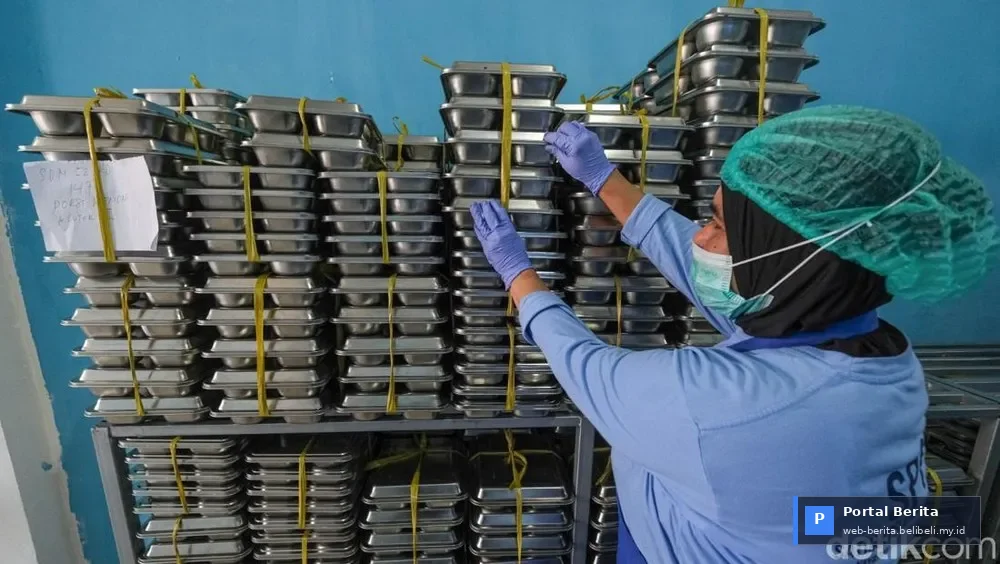
The MBG program has proven effective in improving students' concentration and academic performance. However, logistical challenges in food distribution and storage across thousands of schools nationwide necessitate strict adherence to food safety guidelines. BGN collaborates with the Ministry of Education and Culture and school catering providers to ensure hygiene standards and cook-to-serve times are met.
“This warning is not to scare, but to empower students and families with accurate information,” added Dr. Citra Dewi. “Every student deserves safe and nutritious food, and that is a collective responsibility for all of us.”
Solutions and Best Practices for Food Safety
To ensure the safety of MBG, BGN recommends several best practices:
- Prompt Consumption: Students should be encouraged to consume MBG immediately upon receipt or at designated meal times. Delaying meals without proper refrigeration is highly discouraged.
- Continuous Education: Schools and parents need to continue educating about the importance of food safety and the 4-hour limit. Posters, short seminars, and digital educational materials can be very helpful.
- School's Role: Schools are expected to coordinate with catering providers to ensure food is prepared as close as possible to mealtime and delivered in optimal condition. Supervision of food storage practices at schools should also be enhanced.
- Parental Involvement: Parents are urged to remind their children about this rule and ensure that any food brought home (if applicable) is not consumed beyond the safe time limit.
With collective adherence to these guidelines, the Free Nutritious Meals program will continue to be a safe and effective source of nutrition for Indonesia’s future generations.
Frequently Asked Questions (FAQ)
Q: What is the 4-hour limit set by BGN for MBG?
A: The 4-hour limit is the maximum duration after food has been cooked during which MBG is still considered safe for consumption, aimed at preventing the growth of harmful bacteria and food poisoning.
Q: Who is responsible for ensuring this 4-hour rule is followed?
A: This responsibility involves multiple parties: catering providers (ensuring cooking and delivery times), school officials (supervision and education), students (timely consumption), and parents (reminding and overseeing children).
Q: What should be done if MBG cannot be consumed within 4 hours?
A: If MBG cannot be consumed within 4 hours, it is advisable not to consume it. Proper refrigeration can extend shelf life, but in the context of school MBG, immediate consumption is the best practice. Do not reheat food that has already passed the safe time limit.