🔑 Key Takeaways
- Minister of Finance Purbaya Yudhi Sadewa announced plans to increase allocations of Regional Transfer Funds (TKD) for local governments that successfully maintain personnel expenditures below 30% of their total budget, starting from the 2027 fiscal year.
- This policy aims to promote fiscal discipline, optimize regional budget allocations for infrastructure development and public services, and reduce reliance on routine expenditures.
- The government targets increased efficiency in national personnel spending and encourages diversification of regional revenue sources to achieve better fiscal independence.
Jakarta, March 12, 2026 — The Ministry of Finance of the Republic of Indonesia, through Minister of Finance Purbaya Yudhi Sadewa, today announced a significant fiscal initiative set to take effect in the 2027 budget year. This initiative focuses on providing incentives in the form of additional allocations of Regional Transfer Funds (TKD) to local governments demonstrating budget efficiency, particularly in managing their personnel expenditures.
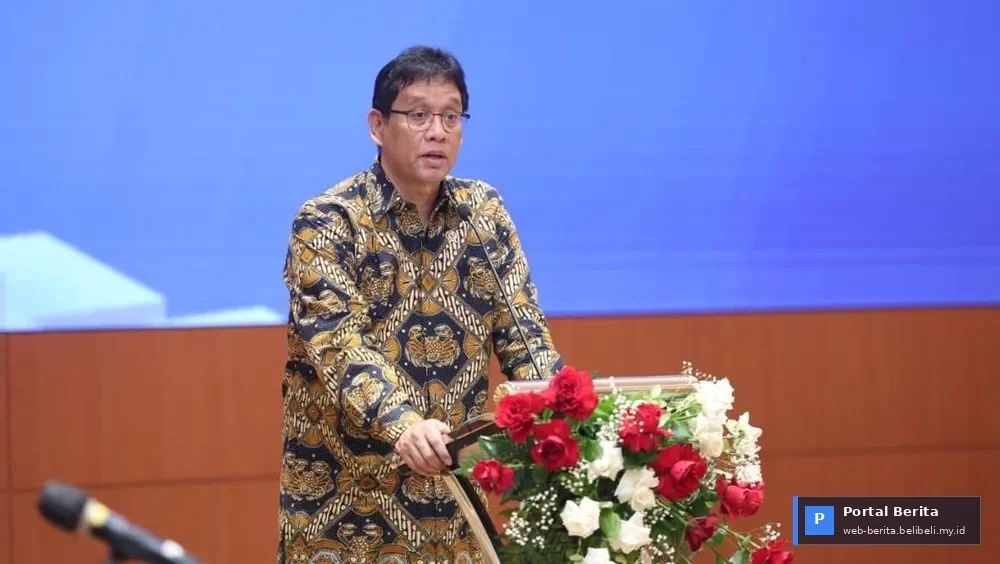
In his official statement, Minister Purbaya explained that this step is part of the central government's efforts to encourage fiscal discipline and optimize spending at the regional level. “We still see regions where the proportion of personnel spending exceeds the optimal limit, even above 30% of the total budget. This erodes the fiscal space for development programs that directly benefit the community,” Minister Purbaya stated at his office.
Promoting Efficiency and Sustainable Development
The additional TKD funds will be specifically granted to regions that succeed in reducing their personnel expenditure ratio below 30%. This policy is expected to motivate local governments to undertake organizational restructuring, optimize the number of civil servants according to real needs, and seek more diverse sources of local own-source revenue (PAD).
“The main goal is not just to reduce the burden of personnel spending, but also to free up funds for investment in productive sectors, such as infrastructure, education, health, and local economic development,” Purbaya added. He emphasized that sustainable development requires strategic budget allocation and not one that is exhausted by routine expenditures.
Analysis and Potential Impact
Economists have welcomed this policy as a progressive step. Dr. Citra Dewi, a fiscal economics expert from Gadjah Mada University, commented, “This is a strong signal from the central government that regional fiscal independence is not just about increasing PAD, but also about expenditure efficiency. Regions capable of effectively managing their personnel will have greater capacity to innovate and improve the quality of public services.”
However, some parties have also expressed concerns regarding implementation. “The challenge is to ensure that regions do not simply cut staff indiscriminately, but rather conduct a comprehensive evaluation of needs and functions,” said Budi Santoso from the Regional Autonomy Study Forum. He hopes for clear guidelines and technical assistance from the Ministry of Finance.
Future of Regional Finance
The government is optimistic that this policy will have a positive long-term impact on regional fiscal health and the quality of public services. Through these incentives, a paradigm shift is expected from 'spend it all' to 'performance and priority-based spending'. Furthermore, this policy is also expected to be a catalyst for regions to strengthen good governance and budget accountability.
“Ultimately, we want to see every rupiah of public funds used as optimally as possible for the welfare of the people. By curbing inefficient personnel spending, regions will have more room to accelerate development and achieve national targets,” concluded Minister Purbaya, underscoring the government's commitment to equitable development across the country.
Frequently Asked Questions (FAQ)
1. When will this policy of additional TKD funds come into effect?
This policy is planned to be effective starting from the 2027 fiscal year, with intensive preparation and socialization processes throughout 2026.
2. What is the main criterion for regions to receive additional TKD funds?
The primary criterion is for local governments to successfully maintain their personnel expenditure ratio below 30% of their total Regional Revenue and Expenditure Budget (APBD).
3. How will the government monitor the implementation of this policy?
The Ministry of Finance will collaborate with relevant ministries and institutions, as well as the Audit Board of Indonesia (BPK), to regularly monitor regional financial reports, ensuring transparency and accountability in budget management.