🔑 Key Takeaways
- The giant Abadi Masela gas project in Maluku is demonstrating rapid progress in 2026, with a strong focus on accelerating construction and finalizing critical financing.
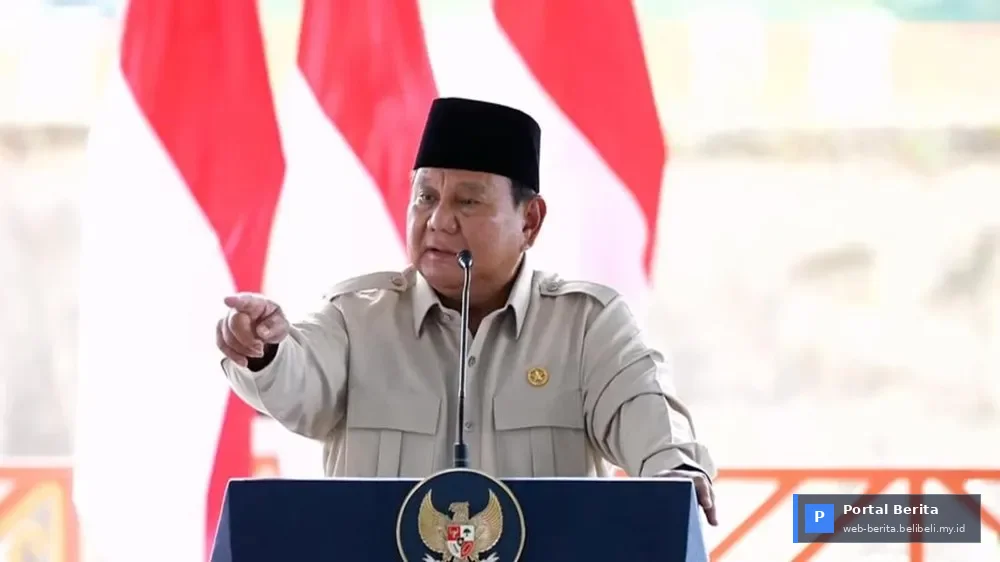
- President Prabowo Subianto's administration is fully committed to pushing this strategic project to completion, making it a cornerstone of national energy sovereignty and economic growth.
- Masela's economic impact is expected to be immense, including job creation, increased state revenue, and the development of downstream industries in Eastern Indonesia.
JAKARTA, July 22, 2026 – The colossal Abadi Masela gas project off the coast of North Maluku is moving closer to full realization, marked by significant progress in its construction phase and the preparation of key infrastructure. Under the leadership of President Prabowo Subianto, this long-anticipated project is now receiving an extra impetus to accelerate the achievement of its “First Gas” target, crucial for Indonesia's energy resilience and economic growth.
Following a symbolic groundbreaking led personally by President Prabowo in late 2024, mid-2026 sees intensified activity at the project site and within planning centers. The current Minister of Energy and Mineral Resources (ESDM), Budi Santoso, emphasized Masela's importance as a new economic locomotive.
Government Commitment and Project Acceleration
At a recent energy forum, Minister Budi Santoso stated, “President Prabowo consistently monitors and provides directives to ensure every stage of the Masela project proceeds as planned, even with acceleration targets. This is not just about energy, but about the future of Maluku and all of Indonesia.” The project is anticipated to become one of Southeast Asia's largest gas producers, boasting fantastic proven reserves.
The Special Task Force for Upstream Oil and Gas Business Activities (SKK Migas) reports that the engineering, procurement, and construction (EPC) phase for the main onshore facilities has reached 35%. The current focus is on procuring high-tech materials and mobilizing skilled labor, largely sourced from local communities. The consortium undertaking the project, led by Inpex Corporation alongside Pertamina Hulu Energi (PHE) and Petronas, continues to collaborate closely with the government to overcome logistical and technical challenges.
Transformational Economic and Social Impact
The Abadi Masela project is expected to bring transformational changes to Indonesia's economy, particularly for the Eastern Region. Energy analyst from the University of Indonesia, Dr. Arif Rahman, explained, “It is estimated that Masela will create tens of thousands of direct and indirect jobs during the construction and operational phases. Furthermore, state revenue from royalties and taxes will be significant, allowing the government to invest more in infrastructure and community welfare.”
Beyond state revenue, the development of downstream industries such as petrochemical plants or other gas-based industries around Masela also presents enormous potential. The government is committed to ensuring technology transfer and enhancing local human resource capacity through various training and education programs.
Challenges and Mitigation Strategies
Despite its immense potential, the Masela project is not without challenges. The geographical complexity in Maluku, the need for massive supporting infrastructure, and environmental sustainability issues are key concerns. The government and the consortium have implemented comprehensive strategies, including rigorous AMDAL (Environmental Impact Assessment) studies and inclusive community development programs to mitigate risks and ensure the project delivers maximum benefits without compromising the environment or local wisdom.
“It is crucial to maintain a balance between resource exploitation and environmental protection. We are working together with indigenous communities and environmental activists to ensure this project is a model of responsible development,” added Budi Santoso.
Looking Ahead: Towards Energy Security 2030
With a “First Gas” target anticipated by the end of this decade, the Abadi Masela project will be key to meeting escalating domestic energy demand and strengthening Indonesia's position as a significant player in the global gas market. Masela's gas contribution will not only reduce dependence on imported fossil fuels but also support the energy transition towards cleaner resources.
President Prabowo Subianto's administration is committed to continuously overseeing this project, ensuring that the vision of making Indonesia an energy-sovereign nation through optimal utilization of its natural resources can be fully realized.
Frequently Asked Questions (FAQ)
What is the Abadi Masela Project?
The Abadi Masela Project is the development of a giant natural gas field in the Masela Block, Arafura Sea, Maluku. It is one of Indonesia's largest national strategic energy projects, designed to produce liquefied natural gas (LNG).
When is 'First Gas' or initial production expected?
With the current acceleration, 'First Gas' from the Abadi Masela Project is expected to be achieved by the end of this decade, approximately 2029-2030, marking a vital milestone for Indonesia's energy security.
How will the Masela Project benefit Indonesia?
The project will deliver significant economic benefits through state revenue from royalties and taxes, the creation of tens of thousands of jobs, local infrastructure development, technology transfer, and strengthened national energy sovereignty.