🔑 Key Takeaways
- The 2026 Yogyakarta International Craft & SME Expo (YICSE 2026) was a resounding success, connecting over 500 craftspeople with buyers from 25 countries.
- The event recorded a potential export transaction value of Rp 300 billion, significantly boosting the creative economy and national SMEs.
- The government is committed to strengthening the SME ecosystem through digitalization, training, and global market facilitation to meet the challenges of 2026 and beyond.
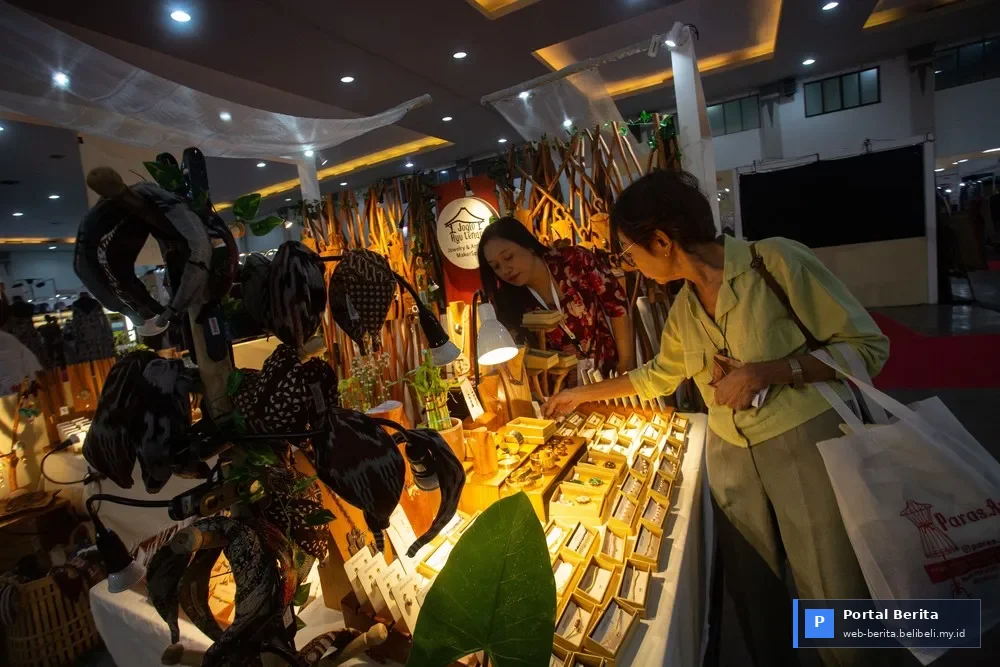
YOGYAKARTA – Indonesia’s creative economy landscape has once again showcased its prowess on the world stage. Yogyakarta, a city rich in cultural heritage and art, recently hosted the Yogyakarta International Craft & SME Expo 2026 (YICSE 2026). This grand event successfully brought together hundreds of top craftspeople from across the archipelago with thousands of buyers, both domestic and international, solidifying Indonesia’s position as a global craft hub.
Held over five days at the Jogja Expo Center, YICSE 2026 featured a diverse range of products, from intricate batik, traditional woven fabrics, wood carvings, silver jewelry, to contemporary fashion items. Over 500 selected Micro, Small, and Medium Enterprises (SMEs) showcased their innovative and unique creations, drawing attention from business delegations representing 25 countries, including Japan, South Korea, European nations, and the United States.
Soaring Exports, Empowered SMEs
“YICSE 2026 is more than just an exhibition; it’s a strategic bridge for our SMEs to penetrate global markets,” stated Mr. Budi Santoso, Director General of National Export Development at the Ministry of Trade, during his closing remarks. “We are incredibly proud to report that the potential export transactions recorded reached a staggering Rp 300 billion. This is clear evidence of the quality and competitiveness of Indonesian craft products in the global arena.”
This figure, according to Santoso, represents a significant surge compared to previous years, reflecting a global economic recovery and increased demand for authentic, sustainable handmade products. Many SMEs reported securing long-term contracts with international buyers, opening new chapters for their businesses.
Innovation and Sustainability are Key
Ms. Ayu Lestari, Chairperson of the Indonesian Craft Association (API), highlighted the trends of sustainability and innovative design that were prevalent at YICSE 2026. “Global consumers in 2026 are increasingly concerned about product origins, ethical production, and environmental impact. Indonesian artisans have responded remarkably well, producing works that are not only beautiful but also responsible,” she explained. She added that the integration of digital technology, such as 3D virtual exhibitions and online B2B platforms, also significantly expanded the reach of SMEs.
A buyer from Tokyo, Mr. Kenji Tanaka, a representative of Sakura Art Imports, expressed his admiration. “I found so many unique and high-quality products here, especially modern batik crafts and silver accessories with a contemporary touch. The ability of Indonesian artisans to blend tradition with global tastes is extraordinary. We’ve already signed several promising deals.”
Government Support for the SME Ecosystem
The Indonesian government, through various ministries and agencies, continues to strengthen the SME ecosystem. Export training programs, product certification facilitation, and support for financing access are priorities to ensure SMEs are ready to compete internationally. “We will continue to host similar events and strengthen digital infrastructure for SMEs so they can continue to innovate and reach wider markets,” concluded Mr. Budi Santoso, reiterating the government’s commitment to making 2026 a year of acceleration for Indonesian SMEs.
FAQ
1. What was the primary focus of the 2026 Yogyakarta International Craft & SME Expo?
Its main focus was to connect Indonesian craft SMEs with buyers from various countries to facilitate export transactions and promote premium Indonesian products.
2. How did YICSE 2026 support Indonesian SMEs?
The event supported SMEs by opening access to global markets, enhancing their capacity through direct interaction with international buyers, and facilitating significant business transactions.
3. What trends were prominent in the craft industry in 2026?
Prominent trends included product sustainability (eco-friendly, ethical), modern designs blending tradition, and the utilization of digital platforms and e-commerce for global marketing and sales.