🔑 Key Takeaways
- Hundreds of elderly residents in Kediri City have once again received Cash Social Assistance (BLT) in 2026, funded by the Tobacco Excise Revenue Sharing Fund (DBHCHT).
- This initiative is an integral part of the local government's social protection strategy to ensure sustained support for vulnerable groups.
- The financial aid primarily aims to alleviate the economic burden on the elderly amidst fluctuating basic commodity prices and support their independence.
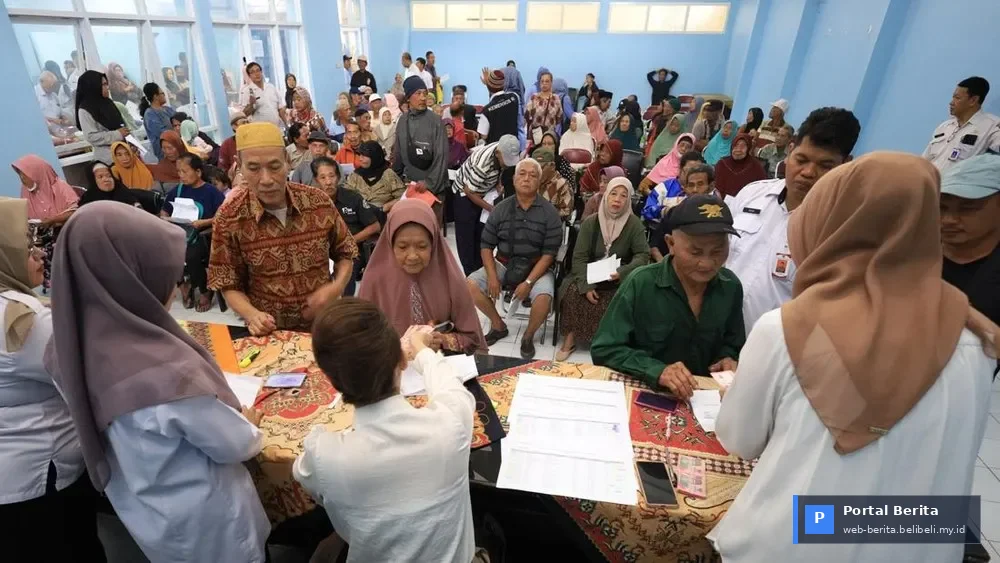
KEDIRI, June 25, 2026 – Amidst the government's commitment to strengthening social safety nets, hundreds of elderly residents in Kediri City are once again beneficiaries of the Cash Social Assistance (BLT) program, sourced from the Tobacco Excise Revenue Sharing Fund (DBHCHT). This disbursement, now a regular agenda, reaffirms the local government's focus in 2026 on maintaining the welfare of vulnerable groups amidst dynamic global economic conditions.
The DBHCHT BLT program is designed as a core pillar in the social protection strategy, especially for the elderly who often face economic challenges such as rising living costs and limited access to income. “This is more than just aid; it is a manifestation of the state's presence in ensuring that none of our citizens are left behind,” stated Mr. Budi Santoso, Head of Kediri City’s Social Affairs Office, in today’s announcement. “In 2026, we recognize the importance of consistent financial support for the elderly to meet their basic needs and preserve their dignity.”
Efficient and Targeted Disbursement Mechanism
The disbursement of BLT in Kediri is carried out through a well-coordinated system, involving strict data verification to ensure the aid reaches the elderly who are truly in need. Each BLT recipient receives a sum of cash that can be used for urgent needs, ranging from food, medicine, to transportation costs. “Thank goodness, this assistance is very helpful. Prices keep going up these days. With this BLT, I can buy basic necessities without burdening my children too much,” said Mrs. Siti Aminah (78), one of the beneficiaries in Mojoroto Village.
According to data from the Kediri City Social Affairs Office, the program has reached thousands of elderly individuals since its initial implementation, with the number of recipients continuously adjusted based on economic conditions and DBHCHT allocation availability. The disbursement process in 2026 also increasingly integrates technology for efficiency, including the potential future use of digital payment systems to enhance accessibility.
DBHCHT: A Pillar of Welfare and Regional Development
The Tobacco Excise Revenue Sharing Fund (DBHCHT) is a vital fiscal instrument for excise-producing regions. Regulated by the Ministry of Finance, DBHCHT is allocated to various priority sectors, including health (improving facilities and services), law enforcement (eradicating illegal cigarettes), and, of course, improving community welfare through BLT programs like those received by the elderly in Kediri.
“The utilization of DBHCHT for elderly BLT is a strategic step demonstrating the local government's commitment to inclusive development,” explained Dr. Indah Permata, a Senior Economist from Gadjah Mada University. “It's not just about allocating funds, but about creating positive multiplier effects for the local economy, where funds received by the elderly directly circulate to purchase products and services from local SMEs around them. In 2026, with persistent inflationary pressures, such programs are crucial for maintaining the purchasing power of lower-income communities.”
Future Projections and Challenges
The sustainability of the DBHCHT BLT program faces both challenges and opportunities. Key challenges include fluctuations in tobacco excise revenue, the need to continuously update beneficiary data, and ensuring transparency and accountability in disbursement. However, opportunities are also wide open, including the potential for program coverage expansion and diversification of DBHCHT utilization for other social innovations.
The Kediri City Government has expressed its commitment to continuously evaluate and improve the effectiveness of this program. “We will continue to innovate, collaborate with various parties, and ensure that every rupiah from DBHCHT provides maximum benefit for the people of Kediri, especially our elderly,” concluded Mr. Budi Santoso. Initiatives like this are expected to serve as an example for other regions in their efforts to achieve equitable and sustainable welfare.
Frequently Asked Questions (FAQ)
1. What is the Tobacco Excise Revenue Sharing Fund (DBHCHT)?
DBHCHT is a fund allocation from the central government to local governments, sourced from tobacco excise revenue, used to finance various priority programs such as health, law enforcement, and community welfare.
2. Who is eligible to receive BLT from DBHCHT in Kediri?
Recipients of DBHCHT BLT are elderly individuals who meet specific criteria based on poverty data and needs, and have undergone a verification process by the Kediri City Social Affairs Office.
3. How does this BLT program contribute to the welfare of the elderly in Kediri in 2026?
This program contributes by providing direct financial support that helps the elderly meet their basic needs, reduce economic burdens, and maintain their quality of life amidst economic challenges.