🔑 Key Takeaways
- The European Anti-Fraud Office (OLAF) has, in early 2026, dismantled a smuggling route for over 200,000 counterfeit condoms originating from China and circulating across various European nations.
- These fake products fail to meet safety and quality standards, posing a significant risk of transmitting sexually transmitted infections (STIs), unplanned pregnancies, and severe allergic reactions.
- Health authorities urge consumers to always purchase products from authorized sellers and to be vigilant against unusually low prices or suspicious packaging.
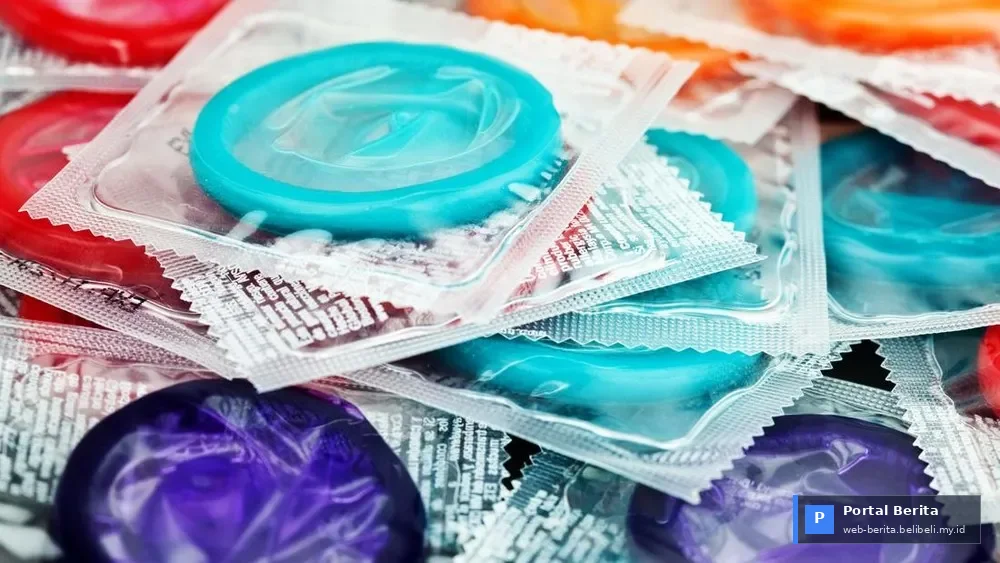
BRUSSELS, BELGIUM – In a coordinated intelligence operation culminating in early 2026, the European Anti-Fraud Office (OLAF) has issued a serious public warning following the dismantling of a smuggling route for over 200,000 counterfeit condoms. These products, originating from China, were found in circulation across several European Union member states, raising significant concerns about public health and sexual safety.
This revelation highlights the inherent dangers of fake goods, particularly those related to reproductive health. Counterfeit condoms, manufactured without stringent quality controls, often fail to meet basic safety standards, rendering them highly perilous for users.
The Real Threat: More Than Just a Fake Product
Health experts emphasize that the use of counterfeit condoms carries far more severe consequences than mere financial loss. "This isn't just about a faulty product; it's about life-threatening safety," stated Dr. Anya Sharma, Head of European Sexual Health Initiatives. "Fake condoms are highly prone to tearing or leaking, nullifying protection against sexually transmitted infections (STIs) like HIV and syphilis, as well as unplanned pregnancies. Worse, the cheap chemicals used in their manufacturing can cause irritation or severe allergic reactions."
Authorities discovered these condoms were often marketed through online platforms and unauthorized retailers, attracting consumers with unusually low prices. "These smuggling networks are highly organized, exploiting loopholes in global supply chains and a lack of consumer awareness," explained Jean-Luc Dubois, OLAF's Director of Intelligence. "The discovery of over two hundred thousand units is just the tip of the iceberg. We anticipate a much larger quantity still hidden within the black market."
Widespread Impact on Trust and Public Health
This discovery not only poses a physical threat but also erodes public trust in contraception and STI prevention products. Consumers who have been deceived may become hesitant to use condoms in the future, potentially leading to an increase in STI rates and unplanned pregnancies across the continent.
National governments and public health organizations across Europe are now intensifying awareness campaigns, educating the public on how to identify genuine products and the importance of purchasing from verified sources. "The public must remain vigilant," Dr. Sharma warned. "Look out for damaged packaging, misspellings, or prices that are too good to be true. Your safety is paramount."
Next Steps: Enforcement and International Collaboration
OLAF, in collaboration with law enforcement agencies in member states and international partners, is actively working to track down and dismantle the entire network behind the production and distribution of these counterfeit condoms. "Collaboration with Chinese authorities is critical to stemming the supply at its source," Dubois added. "We will continue to press to ensure that these dangerous products no longer reach the European market."
This incident serves as a stark reminder of the need for constant vigilance against counterfeit goods and the importance of supporting law enforcement efforts to protect public health and safety from global criminal networks.
FAQ
- How can I identify a counterfeit condom?
Look for poor quality packaging, spelling errors, absence of international standard logos or certifications, suspicious expiry dates, and prices that are significantly lower than genuine products. Always purchase from trusted pharmacies or authorized retailers. - What are the health risks of using counterfeit condoms?
Risks include protection failure leading to STIs or unplanned pregnancies, irritation or allergic reactions from harmful chemicals, and potential infections due to unhygienic production conditions. - What should I do if I suspect I've bought counterfeit condoms?
Do not use the condoms. Report your findings to your local health authorities or consumer protection agencies. Keep the product as evidence if possible.