🔑 Key Takeaways
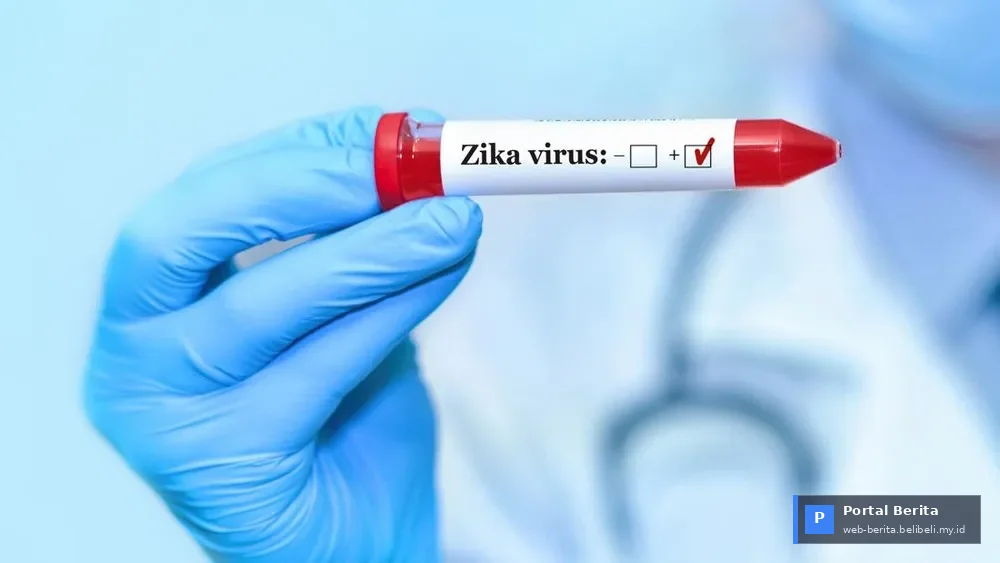
- The U.S. Centers for Disease Control and Prevention (CDC) issued a Level 2 Travel Health Notice for the Zika virus in Bali in early 2026.
- Indonesia's Ministry of Health (Kemenkes RI) firmly asserts that no local transmission of the Zika virus has been detected in Bali to date.
- The Indonesian government is enhancing surveillance systems and health protocols to ensure the safety of tourists and local residents from mosquito-borne diseases.
JAKARTA, February 22, 2026 – Bali, a world-renowned tourist destination, has once again come under the spotlight after the U.S. Centers for Disease Control and Prevention (CDC) issued a Level 2 Travel Health Notice concerning the Zika virus. This advisory, released in early 2026, recommends 'Practice Enhanced Precautions' for travelers planning to visit the Island of the Gods, sparking concerns among international tourists and the local tourism industry.
However, Indonesia's Ministry of Health (Kemenkes RI) was quick to respond, issuing a strong rebuttal and assurance that no local transmission of the Zika virus has been detected in Bali. This statement aims to calm fears and ensure that Bali remains a safe destination for visitors.
Kemenkes RI's Stance: Rigorous Surveillance and Zero Local Cases
During a press conference held on Friday, Dr. Siti Nadia Tarmizi, Director for Prevention and Control of Infectious Diseases (P2PM) at Kemenkes RI, emphasized the Indonesian government's commitment to public and tourist health. “As of early 2026, our extensive surveillance system, including across all health facilities and international entry points in Bali, has not detected any local transmission of the Zika virus,” she stated.
Dr. Nadia explained that Kemenkes RI has stringent monitoring protocols for mosquito-borne diseases, including dengue fever and Zika. “We regularly conduct mosquito vector monitoring, laboratory testing, and public education. Any confirmed cases, particularly from travelers returning from endemic areas, are promptly managed to prevent local spread,” she added.
Understanding the U.S. CDC Alert
A Level 2 Travel Health Notice from the U.S. CDC signifies a known risk of the Zika virus in the location, and travelers should take extra precautions. Typically, these alerts are issued based on reports of cases in an area, which could be imported cases or a potential risk, even if widespread local transmission has not been widely confirmed by local authorities.
Prof. Dr. Budi Santoso, a Professor of Epidemiology from Gadjah Mada University (UGM), offered perspective. “Travel alerts like these are standard precautionary measures issued by global health agencies, primarily to protect their citizens in areas with potential risk. However, this doesn't always mean a major outbreak is occurring at the location. Kemenkes RI possesses more detailed data and surveillance systems on the ground,” explained Prof. Budi.
Impact on Bali Tourism and Prevention Measures
Bali's tourism industry, which is in a strong recovery phase in 2026, is naturally sensitive to such news. However, Kemenkes RI and the Provincial Government of Bali have been coordinating closely to ensure proactive mitigation steps.
“We continue to enhance efforts in mosquito breeding site eradication, selective fogging, and public awareness campaigns for communities and tourism accommodation managers. It is essential for tourists to still take personal preventive measures such as using mosquito repellent and wearing protective clothing, especially when outdoors,” said Dr. Nadia.
The government also ensures the availability of adequate testing and treatment facilities across hospitals and clinics in Bali. Travelers are encouraged to consult with their healthcare providers before traveling and seek medical advice if they experience suspicious symptoms upon return.
With a rapid response and commitment to health, Indonesia hopes to maintain Bali's reputation as a safe and enjoyable destination for all visitors throughout 2026.
Frequently Asked Questions (FAQ)
1. What is the Zika virus?
The Zika virus is primarily transmitted through the bite of Aedes aegypti mosquitoes, the same type of mosquito that transmits dengue fever. Symptoms are generally mild and can include fever, rash, joint pain, and red eyes. However, infection during pregnancy can lead to serious birth defects in infants.
2. What does a CDC Level 2 Travel Health Notice mean?
A Level 2 'Practice Enhanced Precautions' alert means there is a known health risk in the location, and travelers should take extra precautions. It indicates a potential risk, but not necessarily a widespread outbreak or health crisis.
3. Is it safe to travel to Bali in 2026?
According to Indonesia's Ministry of Health, Bali is safe to visit as no local Zika transmission has been detected to date. However, travelers are always advised to take personal precautions against mosquito bites and consult with their doctor before travel.