🔑 Key Takeaways
- Despite regulatory advancements, several period tracker applications in 2026 are still found to be sharing users' intimate health data with third parties, including social media platforms and advertisers.
- The leaked data is highly sensitive, encompassing menstruation details, symptoms, moods, and even pregnancy plans, potentially being misused for targeted advertising or discrimination.
- Users are advised to always check privacy policies, use apps with end-to-end encryption, and consider manual alternatives to safeguard their personal data.
JAKARTA – Concerns surrounding data privacy in digital health applications continue to be a focal point in 2026, especially regarding period tracker apps. Recent studies reveal that despite increased awareness and regulations, many popular applications are still silently sharing users' highly personal information with a range of third-party entities, from data analytics firms to social media giants.
These findings reignite intense debate over the extent of personal data protection in the digital age. The shared data is not limited to menstruation dates but also includes sensitive details such as premenstrual symptoms, mood, contraceptive use, sexual activity, and even pregnancy plans. This information, if it falls into the wrong hands, could be exploited for intrusive targeted advertising, discriminatory insurance pricing, or even identity misuse.
The Real Threat: Who Gets Your Data?
Research from the global Women’s Cyber Security Center, released early in 2026, indicates that over 60% of the most downloaded free period tracker apps on global app markets still contain clauses in their privacy policies allowing data sharing. “This phenomenon isn't new, but what's alarming is its persistence. While users are becoming more aware, many apps bury these permissions within convoluted legal language,” states Dr. Aisha Rahman, a data privacy expert from Jakarta Cyber Technology University.
Dr. Rahman adds, “Some of these data recipients are major advertising platforms, market research companies, and even entities claiming to use data for ‘health research,’ which unfortunately often lack transparency about its ultimate use. The potential for this data to leak to data brokers who sell it to various parties is very real.” Such data can be used to create highly detailed profiles of individuals, which are then sold to advertisers looking to target specific audiences with highly personalized messages, sometimes without the user's explicit knowledge or consent.
Long-Term Impact: More Than Just Ads
The consequences of such data leaks extend far beyond mere annoying advertisements. “Imagine if information about your fertility history or reproductive health was used to deny you a loan, raise your health insurance premiums, or even influence employment decisions. These are frightening yet increasingly plausible scenarios,” says Maya Sari, a consumer privacy advocate from the Women's Data Protection Foundation. She emphasizes that health data is one of the most private categories of data and requires the highest level of protection.
In some jurisdictions, regulations like Europe’s GDPR or Indonesia’s newly updated Personal Data Protection Law have sought to tighten controls over sensitive data. However, legal loopholes and less ethical corporate practices remain challenges. Users often agree to 'terms and conditions' without careful reading, unaware of the extent to which they relinquish control over their personal information.
How to Protect Yourself in 2026?
Given the current digital landscape, there are several steps users can take to protect their privacy:
- Read Privacy Policies: Take the time to understand how an app intends to use and share your data. Look for phrases like ‘third parties,’ ‘advertisers,’ or ‘analytics.’
- Limit App Permissions: Grant only the permissions absolutely necessary for the app’s function. Disable location, microphone, or gallery access if irrelevant.
- Choose Paid or Open-Source Apps: Paid apps tend to have business models that don’t rely on data selling, while open-source apps are often more transparent in their data handling.
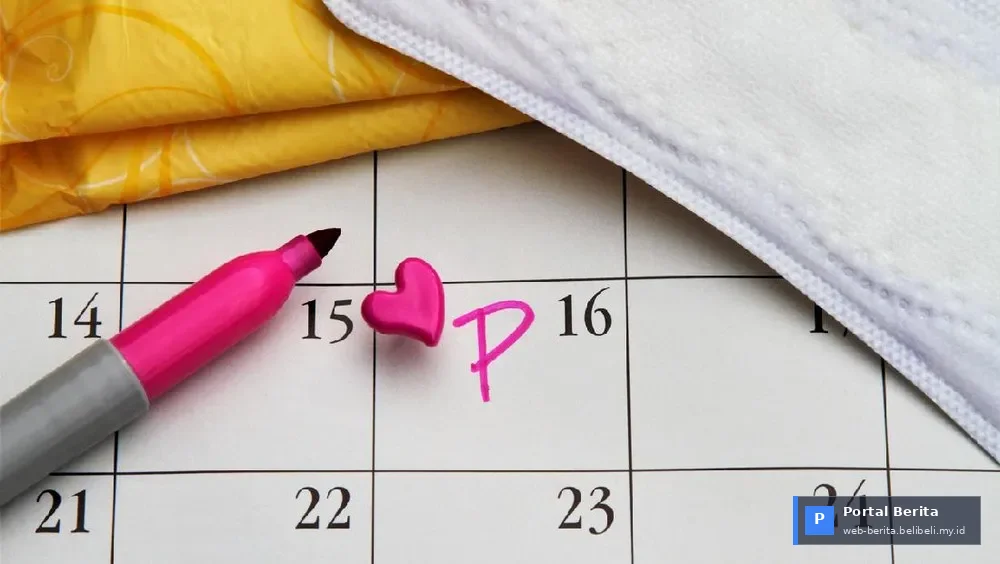
- Use Manual Alternatives: Consider tracking your cycle manually with a journal or paper calendar if you are highly concerned about digital data privacy.
- End-to-End Encryption: Look for apps that explicitly state they use end-to-end encryption for all your data.
Governments and regulatory bodies continue to be pressured to implement stricter privacy standards and to take strong action against non-compliant companies. Ultimately, however, user vigilance is the first line of defense in protecting their most intimate health information.
Frequently Asked Questions About Period Tracker App Privacy
1. Why do period tracker apps share my data?
Many free apps rely on advertising or data-selling business models. They share user data with third-party companies to gain financial benefits, often for more effective targeted advertising or market research.
2. What type of data is most at risk of being leaked from these apps?
The most sensitive data at risk includes menstruation dates, physical and emotional symptoms, reproductive health history, contraceptive use, sexual activity, and pregnancy plans.
3. What should I do if I'm already using a period tracker app?
Review your app's privacy policy, adjust privacy permission settings, and delete old data if the app offers that option. If you feel uncomfortable, consider switching to an app with a better privacy reputation or using manual tracking methods.