🔑 Key Takeaways
- A viral social media video in early 2026 falsely claimed that 522 students in Sidoarjo Regency were diagnosed with HIV, leading to widespread panic and public debate.
- The Sidoarjo Health Department (Dinkes) swiftly refuted the claims, affirming that actual data shows a much lower and well-managed number of HIV cases among students.
- The incident highlights the critical importance of verifying health information in the 2026 digital age and the necessity of comprehensive education to combat stigma and misinformation surrounding HIV/AIDS.
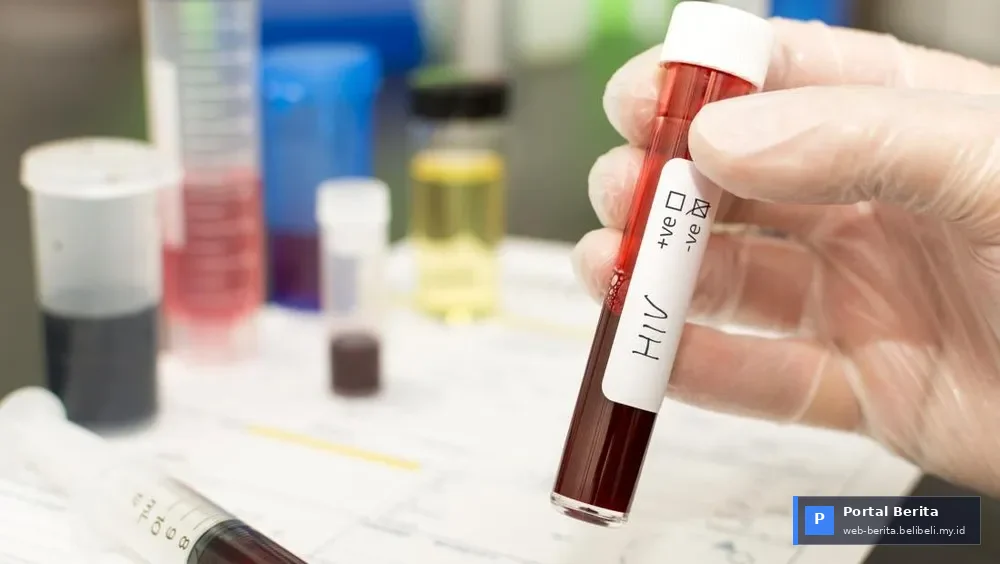
SIDOARJO, INDONESIA – Amidst the relentless flow of digital information in 2026, a video claiming that 522 students in Sidoarjo Regency were infected with HIV successfully sparked public panic and intense debate across various social media platforms. The video, which spread rapidly within hours, alleged a drastic surge in cases among adolescents, raising serious concerns among parents and educational institutions.
Sidoarjo Health Department Clarifies Actual Data
In response to this unsubstantiated uproar, the Sidoarjo Health Department (Dinkes) acted quickly to issue an official clarification. Head of the Sidoarjo Health Department, Dr. Rina Widyawati, stated in a press conference held in late January 2026 that the number mentioned in the viral video was a hoax and highly inaccurate.
“We deeply regret the spread of this false information. Our official data for the end of 2025 and the first quarter of 2026 presents a vastly different picture,” said Dr. Rina. “The cumulative number of HIV/AIDS cases in Sidoarjo Regency since data collection began until the end of 2025 is 987 cases. Of this number, only approximately 27 cases have been identified within the student age group (15-19 years), not 522 cases as claimed in the viral content. The figure of 522 is likely a misinterpretation or deliberate fabrication.”
Dr. Rina added that Dinkes Sidoarjo regularly conducts screenings and education, and has robust prevention programs in place. “Every newly detected case promptly receives treatment and support, and contact tracing efforts are carried out with extreme care and according to medical ethical standards,” she explained.
The Threat of Health Hoaxes in the 2026 Digital Era
This incident serves as an important reminder of the dangers of health hoaxes in the 2026 digital era, where information can spread at unimaginable speeds. The dissemination of misinformation not only causes unnecessary panic but can also erode public trust in health institutions and hinder disease prevention efforts.
“False information like this not only creates anxiety but can also strengthen the stigma against PLHIV (People Living with HIV/AIDS) and deter them from seeking help or treatment. We must be smart in filtering information,” added Budi Santoso, a health communication expert from Airlangga University, who participated in a public discussion on this issue.
Ongoing HIV/AIDS Education and Prevention
Dinkes Sidoarjo, along with various non-governmental organizations and educational institutions, continues to intensify HIV/AIDS education programs. The primary focus is on providing accurate information about transmission methods, the importance of healthy behaviors, and access to safe and confidential HIV testing services.
“Comprehensive sex education, including HIV prevention, must continue to be promoted in schools using age-appropriate methods. Additionally, we are also promoting easily accessible VCT (Voluntary Counselling and Testing) services across all community health centers,” said Dr. Rina. “We urge the public not to easily believe information that does not originate from valid authorities and to always verify any news that has the potential to cause unrest.”
Through data transparency and consistent educational efforts, it is hoped that the people of Sidoarjo can avoid the negative impacts of hoaxes and continue to support effective HIV/AIDS prevention and control efforts.
❓ Frequently Asked Questions
What was the viral claim regarding HIV cases among students in Sidoarjo?
The viral claim, spread via a social media video in early 2026, stated that 522 students in Sidoarjo Regency had been diagnosed with HIV.What is the actual number of HIV cases among Sidoarjo students according to the Health Department?
According to the Sidoarjo Health Department, data for late 2025 and early 2026 indicates a cumulative total of 987 HIV/AIDS cases in Sidoarjo. Of these, only approximately 27 cases were identified within the student age group (15-19 years), significantly lower than the viral claim.How can the public verify health information circulated on social media?
The public is advised to always verify health information through official sources such as local Health Department websites, the Ministry of Health, or trusted hospitals and healthcare facilities. Avoid sharing unconfirmed information.