🔑 Key Takeaways
- The Directorate General of Taxes (DJP) now possesses advanced capabilities to monitor banking account data and cryptocurrency assets of High-Net-Worth Individuals (HWIs) in Indonesia.
- This initiative is part of the government's efforts to enhance tax compliance and reduce potential tax evasion amidst economic growth and digitalization.
- Purbaya Yudha Negara, Special Staff to the Minister of Finance for Fiscal Policy, emphasizes that compliant taxpayers have nothing to worry about, as transparency is the key.
JAKARTA – The Directorate General of Taxes (DJP) of the Ministry of Finance is significantly tightening its oversight of High-Net-Worth Individuals (HWIs) in Indonesia in 2026. Supported by advanced technology and mature regulations, the DJP now has broader access to monitor the wealth of HWIs, including through banking account data and rapidly growing cryptocurrency assets.
This move is part of the government's strategy to ensure tax fairness and optimize state revenue. Alongside economic growth and the adoption of digital assets, the potential for tax evasion from the super-rich has become a major concern.
Cross-Sector Data Integration: Banks and Crypto
The DJP has proactively developed a data integration system that allows it to access financial information from various sources. This includes not only transaction data and account balances in traditional banking institutions but also extends to cryptocurrency platforms. Updated regulations now enable the DJP to 'uncover' data on ownership and transactions of digital assets, which were often previously considered loopholes.
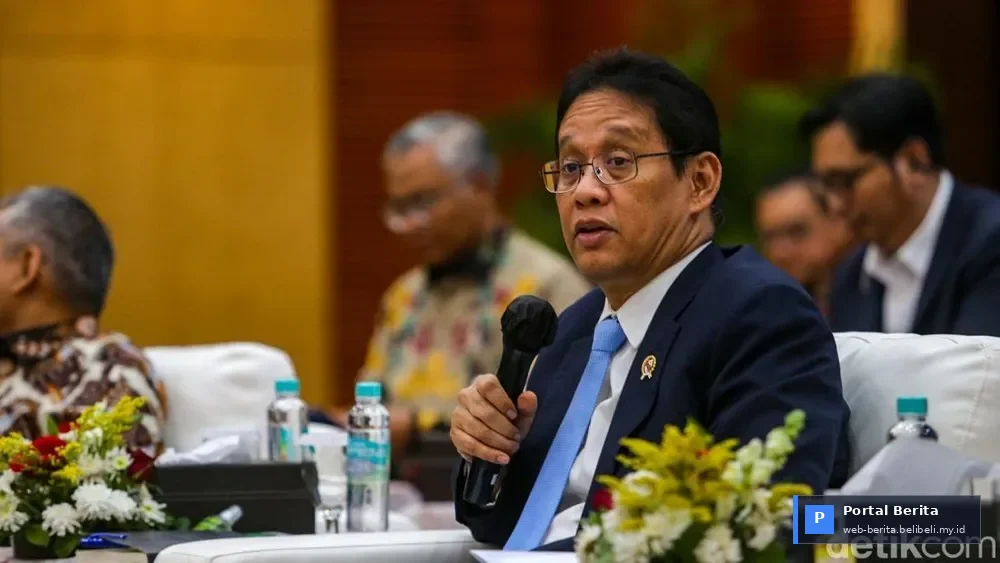
Purbaya Yudha Negara, Special Staff to the Minister of Finance for Fiscal Policy, underscored the importance of this step in creating a fair and transparent tax system. “If taxpayers have fulfilled their tax obligations correctly and transparently, there is no reason to worry about this intensified scrutiny. The DJP possesses sophisticated instruments for verification, and this will actually provide a sense of security for those who comply,” Purbaya stated during a recent event in Jakarta.
Implications for HWIs and the Importance of Compliance
For HWIs, this new era of oversight demands a higher level of compliance and transparency. Digital assets, such as Bitcoin, Ethereum, or even Non-Fungible Tokens (NFTs), which are increasingly popular as investments, are now fully on the DJP's radar. This means that profits from the sale or transactions of crypto assets must be reported and taxed according to applicable regulations.
According to Kartika Sari, a senior tax consultant at Mitra Pajak Pratama, “The era where digital assets escaped tax scrutiny is over. High-net-worth individuals must proactively ensure that all assets, both traditional and digital, are reported accurately to avoid potential penalties in the future. Consultation with tax experts is crucial for navigating this complexity.”
Enhancing Fairness and State Revenue
Increased scrutiny of HWIs is expected to reduce the tax compliance gap among different societal groups, while also significantly boosting state revenue. Funds collected from taxes play a vital role in financing infrastructure development, public services, and social welfare programs.
The government remains committed to creating a healthy and fair investment climate, where every citizen, without exception, contributes according to their ability for the nation's progress. The strict oversight by the DJP is a manifestation of this commitment, ensuring that legitimately acquired wealth also contributes to national development.
FAQ: Frequently Asked Questions on HWI Tax and Crypto Monitoring
- Can the DJP access all HWI bank account data?
Yes, the DJP has the authority to access HWI bank account data in accordance with applicable regulations and international standards for tax purposes, especially if there are indications of non-compliance or reporting discrepancies.
- How can the DJP know about my cryptocurrency assets?
Through cooperation with cryptocurrency service providers and data integration with relevant institutions, the DJP can now monitor the ownership and transactions of crypto assets. Taxpayers are obliged to report crypto assets in their annual tax returns.
- What are the consequences if I don't report my assets or income correctly?
Failure to report assets or income correctly can result in tax penalties, including fines, tax increases, and even criminal tax offenses in accordance with applicable laws in Indonesia.