🔑 Key Takeaways
- Finance Minister Purbaya Yudhi Sadewa confirms no tax rate increases by the Indonesian government throughout 2026.
- The government's primary focus shifts to enhancing taxpayer compliance and enforcing laws against tax delinquents.
- Digitalization strategies and advanced data analytics are the backbone of efforts to boost state revenue without burdening compliant taxpayers.
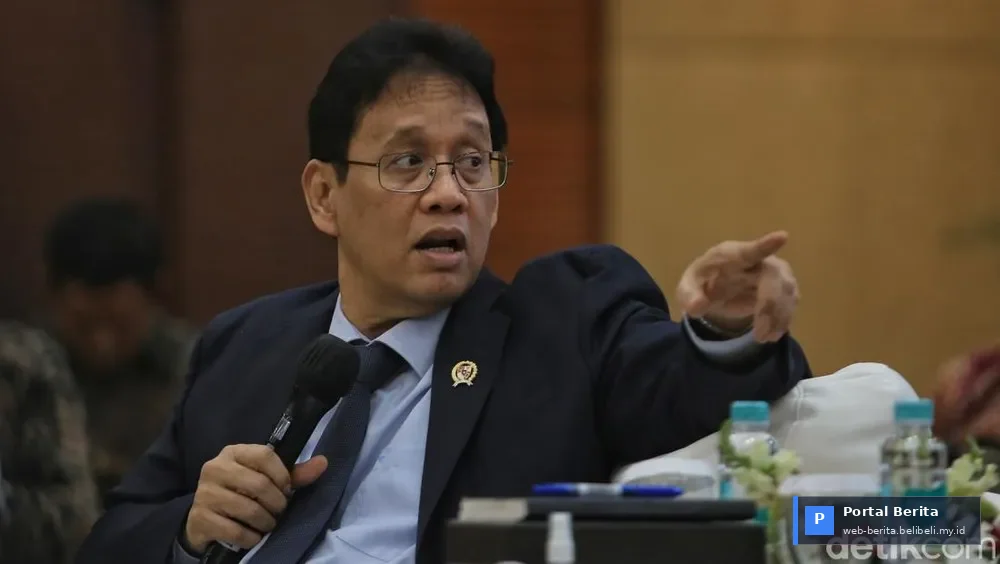
JAKARTA – Finance Minister Purbaya Yudhi Sadewa has reaffirmed the government's commitment not to raise tax rates across all sectors throughout 2026. This statement was made during a virtual press conference hosted by the Ministry of Finance, emphasizing that stable tax rates are crucial for maintaining the investment climate and public purchasing power amidst global economic dynamics.
Instead, the government will aggressively ramp up collection efforts and tax compliance enforcement. This move targets taxpayers who have not met their obligations, both individuals and corporations.
Strategy Without Rate Increases
Purbaya explained that the decision not to raise tax rates was made after considering input from various industry sectors and in-depth analysis of national economic growth projections. 'We understand that increasing tax rates can impose an additional burden on the community and businesses striving to recover and grow. Therefore, our priority is to optimize the existing tax base and ensure all parties contribute fairly,' Purbaya stated.
The Ministry of Finance projects that with improved compliance and effective law enforcement, state revenue can significantly increase without the need for rate hikes. This includes broadening the registered taxpayer base and enhancing transparency in reporting.
More Intensive Pursuit of Tax Delinquents
One of the main pillars of this strategy is the more intensive and structured pursuit of tax delinquents. Purbaya revealed that the Directorate General of Taxes (DGT) is now equipped with advanced data analytics technology and stronger cross-agency data integration. 'We have the capability to identify patterns of non-compliance, detect potential irregularities, and conduct more targeted audits,' he added.
In a separate discussion, Senior Economist from the University of Indonesia, Dr. Chandra Wijaya, welcomed the government's approach. 'The decision to focus on compliance rather than rate increases is a wise move. It sends a positive signal to investors about fiscal policy stability and fosters a more predictable business environment,' said Dr. Wijaya. 'However, its implementation must be fair and transparent to avoid creating new anxieties among taxpayers.'
Impact and Anticipation
This policy is expected to create a sense of fairness among compliant taxpayers while encouraging non-compliant taxpayers to promptly fulfill their obligations. For businesses, tax rate stability can aid in long-term planning and reduce uncertainty.
The government will also continue to educate the public about the importance of taxes for national development and facilitate access to digital tax services. Electronic tax filing (e-Filing) and digital tax payment (e-Billing) platforms will be continuously enhanced to make it easier for taxpayers to meet their obligations.
A leading tax consultant from 'Pajak Prima Consultindo' firm, Ms. Ratna Sari, advised taxpayers to proactively review their tax statements. 'In 2026, with the government's focus on enforcement, ensure all obligations have been met. Utilize the consultation facilities provided by the DGT or professional tax consultants to avoid future penalties,' Ratna concluded.
FAQ: Tax Policy 2026
- Will there be any new types of taxes introduced in 2026?
No, the government has affirmed its focus on improving compliance and collection of existing taxes, not introducing new tax types or raising rates.
- How will the government identify tax delinquents more effectively?
The government will utilize advanced data analytics, cross-agency data integration, and enhanced digital audit capabilities to detect tax delinquents.
- What should taxpayers do to ensure compliance in 2026?
Taxpayers are advised to regularly review their tax obligations, utilize digital tax services, and seek professional advice if there is any uncertainty.