🔑 Key Takeaways
- Finance Minister Purbaya Yudhi Sadewa faces parliamentary interrogation regarding allegations of allowing inefficient and 'reckless' budget spending in the 2026 fiscal year.
- Sharp criticism has emerged from lawmakers and economic experts, highlighting the long-term impact of suboptimal public fund utilization on fiscal stability and public trust.
- The government is urged to strengthen oversight, transparency, and accountability mechanisms in budget management, including the adoption of advanced technology and performance-based audits.
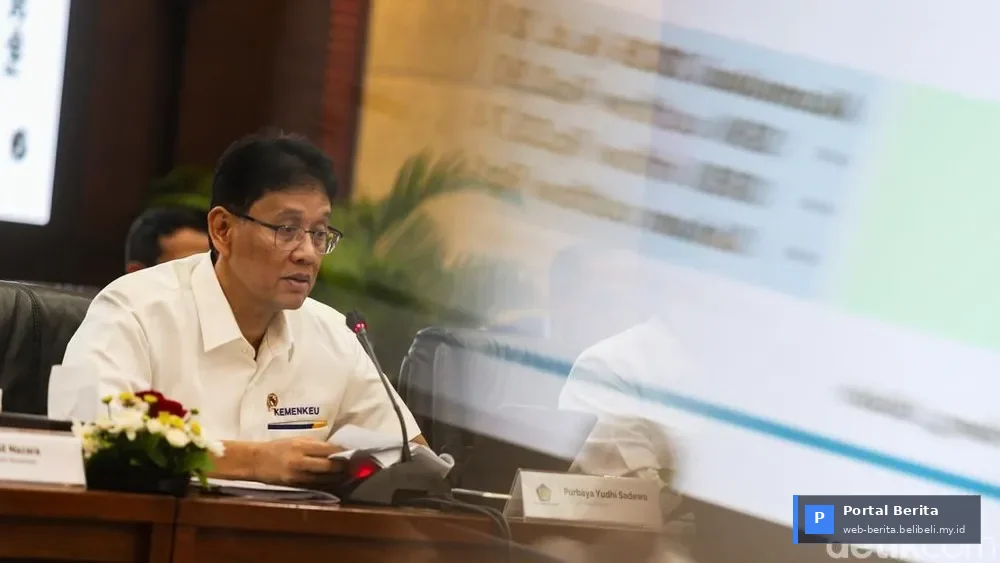
JAKARTA, July 18, 2026 – The political temperature in parliament is rising as serious questions are directed at Finance Minister Purbaya Yudhi Sadewa regarding the management of the 2026 state budget. Minister Purbaya is under pressure to explain allegations of tolerating what various parties call 'reckless spending,' an issue that threatens to erode public trust and national fiscal health.
The issue came to light during a hearing of the parliamentary finance commission, where several members of parliament frankly questioned the Ministry of Finance's initiatives in following up on reports of inefficiency and waste in ministries' and agencies' expenditures. “Why are you silent on so much reckless spending? This is the people's money, Mr. Minister,” one lawmaker demanded, reflecting public frustration over funds perceived as being misused.
Spotlight on 'Reckless Spending' in the 2026 Fiscal Year
The definition of 'reckless spending' at the heart of the debate encompasses various practices, from procurement of goods and services that do not align with priority needs, stalled projects with unclear progress, to disproportionate operational costs. Critics point to several infrastructure projects that have experienced delays or cost overruns, as well as technology procurements deemed ineffective or poorly integrated with existing systems.
Economist and public policy expert, Dr. Sanjaya Putra from the University of Indonesia, expressed his concern. “In 2026, amidst global economic challenges and urgent needs for sustainable development, every rupiah of the state budget must be wisely allocated and efficiently executed. Tolerating reckless spending is tantamount to betraying public trust and potentially burdening future generations with unnecessary debt,” he explained.
Finance Minister's Response and Commitment to Improvement
In his response, Minister Purbaya Yudhi Sadewa acknowledged the challenges in overseeing massive government expenditures. He emphasized that the Ministry of Finance is not passive and continues to strive to strengthen oversight systems. “We are continuously innovating in our monitoring and evaluation systems. The National Budget Oversight Information System (SIPANAS) application, launched in early 2026, is one testament to our commitment to increasing transparency and accountability,” Purbaya stated. He added that SIPANAS data can be accessed in real-time by audit institutions and even the public through specific portals.
However, parliament and the public demand more than just systems. They want concrete actions in the form of firm sanctions for violators and fundamental improvements in bureaucratic culture, which often gets bogged down in inefficient practices. This urgency also includes the importance of performance-based evaluations, not just mere budget absorption.
Towards a More Accountable and Efficient Budget
The pressure on Minister Purbaya underscores the urgency of deeper fiscal reform. Moving forward, the government's focus is expected to be not only on allocation but also on effective, efficient, and impactful budget execution for the welfare of the people. With stricter oversight, technological support, and strong political commitment, it is hoped that state expenditures in the coming years will be free from the stigma of 'reckless' and become a driving force for sustainable development.
Frequently Asked Questions (FAQ)
1. What constitutes 'reckless spending' in the context of the state budget?
'Reckless spending' refers to the inefficient use of public funds, misaligned with priorities, or failing to generate optimal value for society. This can include unnecessary procurement of goods/services, stalled projects, or wasteful operational costs.
2. What are the consequences of inefficient budget utilization for the country and its citizens?
The primary consequences include wasted resources, increased public debt, hindered development, potential for corruption, and erosion of public trust in the government. It can also diminish the government's capacity to fund other critical programs.
3. How is the Indonesian government in 2026 striving to enhance budget transparency and accountability?
The government continues to strengthen its oversight systems through technology, such as the launch of the National Budget Oversight Information System (SIPANAS) application, which allows for real-time budget monitoring. Additionally, there's a push for performance-based evaluations and the enforcement of sanctions for those who violate budget management rules.