🔑 Key Takeaways
- The 37.05 km Patimban Access Toll Road is projected to be fully operational by the end of 2026, crucial for Patimban Port's connectivity.
- This infrastructure is expected to significantly reduce logistics costs, boosting Indonesia's export competitiveness, especially for the automotive sector.
- The project's completion opens new investment opportunities and drives economic growth in North West Java.
By mid-2026, Indonesia's infrastructure development crescendoes with the substantial completion of numerous national strategic projects. Among the most anticipated is the Patimban Access Toll Road. This 37.05-kilometer project is more than just a highway; it is a vital artery poised to inject efficiency and competitiveness into Patimban Port, solidifying its position as a leading logistics hub in Southeast Asia.
Progress Milestones and Operational Targets
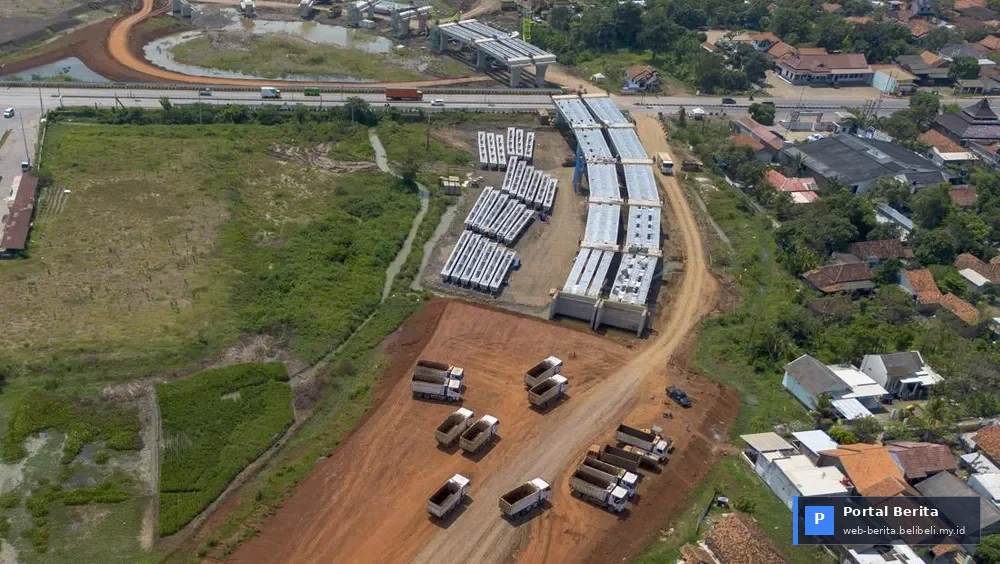
Construction of the Patimban Access Toll Road has demonstrated truly impressive progress. The Ministry of Public Works and Housing (PUPR) confirms that physical construction has surpassed 90% and is targeted for full operation by the end of 2026. This toll segment is designed to directly connect Patimban Port with the Trans Java Toll Road (via Cipeundeuy/Pamanukan toll gate), ensuring a seamless flow of goods to and from the port.
'The completion of the Patimban Access Toll Road in 2026 is our utmost priority,' stated Budi Santoso, Head of the Toll Road Regulatory Agency (BPJT) at PUPR, in a recent interview. 'This infrastructure is key to maximizing Patimban Port's potential as an efficient export-import gateway, especially for West Java's automotive and manufacturing products.'
Economic Impact and Logistics Efficiency
The advent of the Patimban access toll road is projected to deliver immense economic benefits. Industry players, particularly in the automotive and manufacturing sectors, have widely welcomed this development. With shorter travel times and reduced operational costs, the competitiveness of Indonesia's export products is expected to increase dramatically.
According to analysis from the Center for Logistics and Supply Chain Studies (CLSSC), logistics costs from industrial areas like Cikarang or Karawang to Patimban could be slashed by 30-40% compared to previous non-toll routes. 'This isn't just about a road; it's about cutting costs, accelerating delivery times, and ultimately, attracting more foreign direct investment into Indonesia,' explained Dr. Karina Putri, a logistics economist. 'This efficiency will make Patimban a highly attractive option compared to other regional ports.'
Opportunities and Future Outlook
The completion of this toll road will also unlock significant opportunities for regional development around Subang and Patimban. New industrial estates, logistics centers, and supporting facilities are anticipated to emerge, creating jobs and stimulating local economic growth. The West Java Provincial Government has prepared a comprehensive spatial plan to support this expansion, including land provision for investors.
With strong connectivity to the national toll road network, Patimban Port is poised to solidify its role as a backbone of Indonesia's economy in the global era of 2026 and beyond.
Frequently Asked Questions
- When is the Patimban Access Toll Road projected to be fully operational?
The Patimban Access Toll Road is targeted for full operation by the end of 2026. - What is the total length of the Patimban Access Toll Road?
The total length of this toll road is 37.05 kilometers. - What are the main benefits of the Patimban Access Toll Road?
The primary benefits include reducing logistics costs, accelerating goods delivery times to and from Patimban Port, and enhancing Indonesia's export competitiveness.