🔑 Key Takeaways
- PT ASDP Indonesia Ferry (Persero) has officially launched its Port Revitalization and Optimization Program across six key ports starting in 2026, including Merak, Bakauheni, Ketapang, Gilimanuk, Lembar, and Kariangau.
- The 'sterilization' initiative focuses on operational digitalization, enhanced security and biosecurity measures, infrastructure modernization, and human capital development for maximum efficiency.
- The program is expected to significantly improve passenger experience, accelerate logistics flow, strengthen national maritime connectivity, and support regional economic growth.
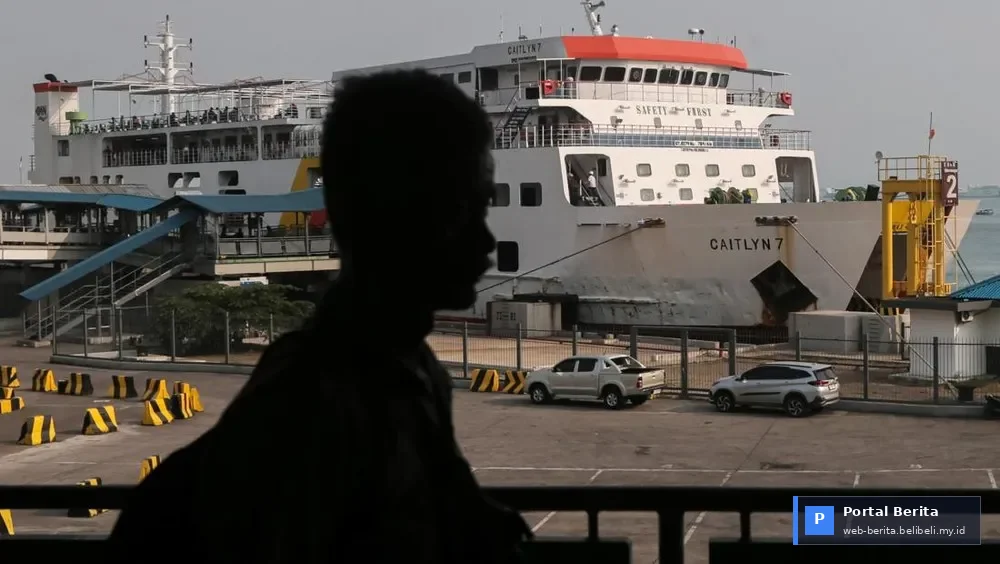
JAKARTA – PT ASDP Indonesia Ferry (Persero) today officially announced the commencement of its ambitious Port Revitalization and Optimization Program, encompassing comprehensive 'sterilization' protocols at six key ferry ports managed by the company. Effective from early 2026, this strategic initiative is designed to drastically enhance operational efficiency, ensure high-level security, and drive digital transformation across Indonesia’s port ecosystem.
The six ports targeted in the initial phase of the program are Merak (Banten), Bakauheni (Lampung), Ketapang (East Java), Gilimanuk (Bali), Lembar (West Nusa Tenggara), and Kariangau (East Kalimantan). These ports were selected due to their critical roles in inter-island connectivity, passenger mobility, and national logistics flow.
Unpacking the 'Port Sterilization' Initiative
The term 'sterilization' in the context of this program signifies more than just physical cleaning; it represents a holistic approach to eliminate bottlenecks, optimize processes, and implement best-in-class operational standards. The program is built upon four core pillars:
- Digital Transformation: Implementation of contactless ticketing and payment systems, AI-powered smart berth management, real-time cargo tracking, and integrated port information systems to expedite services and reduce queues.
- Integrated Security and Biosecurity: Enhanced AI-driven CCTV surveillance systems, biometric identification usage, advanced health and disinfection protocols to prevent disease spread, and more stringent security checks for passengers and goods.
- Infrastructure Modernization: Upgrades to dock facilities, more comfortable and technologically advanced passenger waiting areas, addition of efficient cargo handling equipment, and adoption of eco-friendly technologies such as integrated waste management systems and electric vehicle charging stations.
- Human Capital Development: Continuous training for port staff in operating new technologies, international-standard customer service, and the latest security and biosecurity protocols.
Economic and Social Impact
'This revitalization program isn't just about sprucing up our ports; it's about building a more resilient, secure, and efficient maritime ecosystem that will serve as the backbone of our economy in 2026 and beyond,' stated Ira Puspadewi, CEO of PT ASDP Indonesia Ferry (Persero). 'With enhanced digitalization and security standards, we aim to increase vessel turnaround times by 15% and reduce port waiting times by 20%.'
Dr. Budi Santoso, a prominent maritime logistics observer from the University of Indonesia, highlighted the significant potential economic impact. 'ASDP's move is crucial. Ports that are free from inefficiencies and boast high security and biosecurity standards will accelerate supply chains, reduce logistics costs, and attract more investment. It will also provide peace of mind and comfort for millions of passengers utilizing ferry services annually, supporting tourism and regional connectivity.'
The program is expected to act as a catalyst for economic growth in the regions connected by these six ports, strengthening logistics connectivity between Java, Sumatra, Bali, Lombok, and Kalimantan, and supporting Indonesia's vision as a global maritime axis.
Next Steps and Long-Term Vision
Following the successful implementation at these six pilot ports, ASDP plans to evaluate and extend similar programs to other ports across Indonesia. The long-term vision is to create a fully integrated, smart, and internationally standardized network of ferry ports, capable of meeting future challenges and supporting sustainable growth.
Frequently Asked Questions
Q: What is the main objective of ASDP's Port Sterilization Program?
A: The primary objective is to enhance operational efficiency, ensure security and biosecurity, modernize infrastructure, and digitalize port services to provide the best experience for users and support the national economy.
Q: Which ports are included in the initial phase of this program?
A: The initial phase covers six major ports: Merak, Bakauheni, Ketapang, Gilimanuk, Lembar, and Kariangau.
Q: How will this program improve port security?
A: Security will be enhanced through advanced AI surveillance systems, biometric identification, stringent health and disinfection protocols, and more comprehensive security checks to ensure the safety of passengers and cargo.