🔑 Key Takeaways
- Indonesia's mandatory B50 Biodiesel program has proven highly effective in 2026, saving the nation Rp 170 trillion in foreign exchange by reducing diesel imports.
- The initiative has become a cornerstone of rural economies, absorbing 2.1 million workers across the palm oil value chain and related industries.
- Beyond its economic impact, B50 strengthens national energy independence and significantly contributes to Indonesia's carbon emission reduction targets.
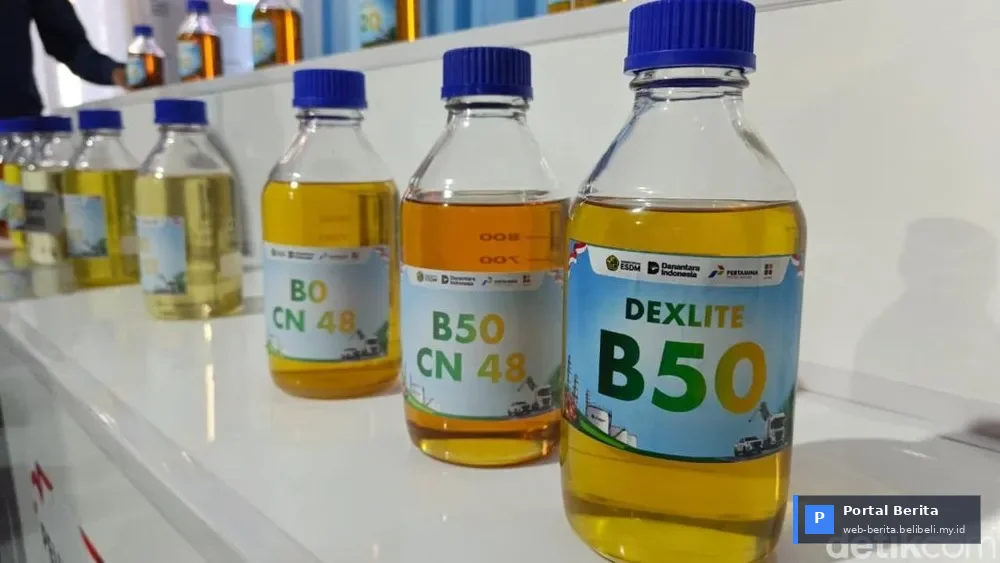
Jakarta, May 21, 2026 – The mandatory Biodiesel B50 program, which mandates a 50% blend of bio-based fuel (BBN) into diesel, continues to demonstrate remarkable positive impacts on Indonesia's economy and environment. Minister of Energy and Mineral Resources (ESDM) Bahlil Lahadalia once again affirmed the program's success, claiming that B50 has saved the nation Rp 170 trillion in foreign exchange and created 2.1 million jobs to date.
This statement solidifies B50's position as one of the government's most successful strategic policies in fostering energy independence and sustainable economic growth amidst global market dynamics.
Impressive Foreign Exchange Savings
The Rp 170 trillion in foreign exchange savings is a substantial figure, reflecting the B50 program's success in reducing Indonesia's reliance on fossil fuel imports. “With the increasing demand for diesel, our ability to domestically produce a significant portion of our consumption through B50 has protected the rupiah's exchange rate and strengthened our foreign reserves,” Minister Bahlil stated at an economic forum in Jakarta.
Energy analyst from Gadjah Mada University, Dr. Surya Wijaya, explained, “Every liter of diesel we replace with biodiesel means rupiah that doesn't leave the country to purchase crude oil or refined products from abroad. This is not just a saving; it's an investment in our macroeconomic stability. The Rp 170 trillion figure is concrete proof that energy diversification is the right step.”
Large-Scale Job Creation
Beyond its impact on the trade balance, B50 has also been a driving force for job creation. A total of 2.1 million people have been absorbed across various sectors, ranging from palm oil plantations, CPO processing industries, biodiesel factories, to logistics and distribution. Significant growth in the upstream sector, particularly in smallholder palm oil plantations, has directly led to increased farmer incomes and more equitable economic distribution in rural areas.
“This program has given new life to many palm oil farming families. They now have market certainty and stable prices, which in turn encourages further investment in our agricultural sector,” added Minister Bahlil. This demonstrates that energy transition is not just about technology, but also about inclusive social and economic development.
Future of Sustainable Energy
The success of B50 in 2026 paves the way for more ambitious bioenergy initiatives in the future. The government continues to assess the potential for increasing the biodiesel blend to higher levels, such as B60 or even B70, in line with technological developments and raw material availability. Focus is also placed on improving production efficiency and the sustainability of palm oil supply through rejuvenation programs and sustainable agricultural practices.
Indonesia's commitment to carbon emission reduction targets is also reinforced by the B50 program. The use of biodiesel significantly reduces greenhouse gas emissions compared to fossil fuels, positioning Indonesia at the forefront of global efforts to address climate change. B50 is not merely an economic program but also a crucial pillar in Indonesia's transition towards a green economy and a cleaner energy future.
The government hopes this positive momentum can be maintained and enhanced, making Indonesia a leader in bioenergy development on the international stage.
Frequently Asked Questions (FAQ)
What is the mandatory B50 program?
The mandatory B50 program is an Indonesian government policy that requires a blend of 50% bio-based fuel (derived from palm oil) with 50% diesel fuel for transportation and industrial use.
How does B50 save foreign exchange for the country?
B50 saves foreign exchange by reducing the amount of diesel fuel that needs to be imported. By replacing a portion of diesel imports with domestically produced biodiesel, foreign currency is not spent on purchases from abroad.
Which sectors are most impacted by job creation from B50?
The sectors most impacted include palm oil plantations (farmers, plantation workers), CPO processing industries, biodiesel production factories, and the logistics and transportation sectors involved in fuel distribution.